The Revealer of the Invisible God
“No man hath seen God at any time; the only begotten Son, which is in the bosom of the Father, he hath declared him.” — John 1:18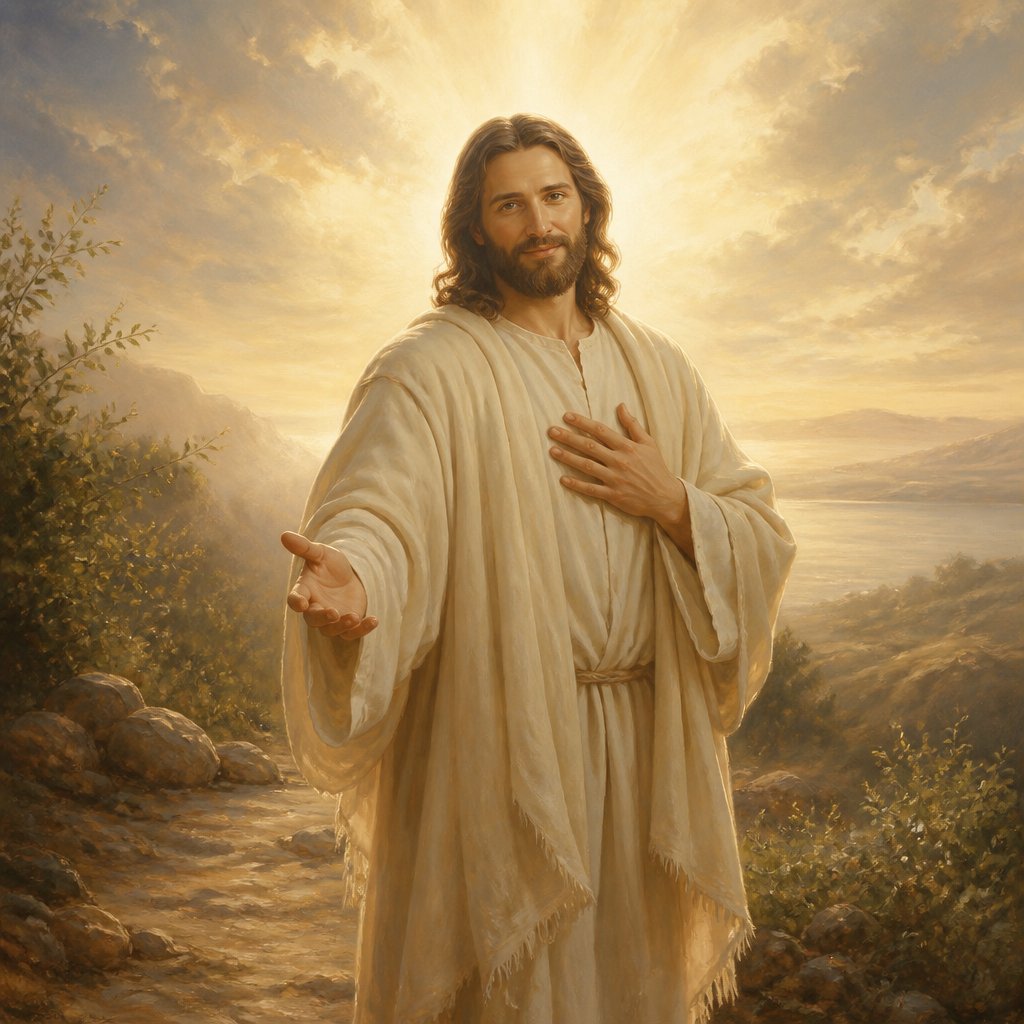
In the realm of faith and understanding, John 1:18 proclaims a profound truth: "No man hath seen God at any time; the only begotten Son, which is in the bosom of the Father, he hath declared him." This verse serves as a pivotal moment in the Gospel of John, encapsulating the essence of who Jesus is—our mediator, our revelation of God, and our eternal hope.
To truly grasp the weight of this scripture, we must first contemplate the declaration that "no man hath seen God at any time." This statement underscores the transcendent nature of God, who resides in unapproachable light and whose essence is beyond human comprehension. Throughout the Old Testament, we witness encounters with the divine that evoke both dread and awe. Think of Moses, who was granted a fleeting glimpse of God’s glory from behind as he hid in the cleft of the rock (Exodus 33:22-23). Even the prophets who spoke with God did so while veiled in the limitations of human perception.
In an age craving tangible evidence and clear encounters, the absence of a visible God can be a source of frustration for many. We long for signs in the heavens or physical manifestations that affirm God's presence in a world filled with chaos. Yet, the wisdom of God's plan is that rather than a mere spectacle, we are offered relationship—a vibrant connection through the person of Jesus Christ.
Jesus, described as the "only begotten Son," signifies His unique relationship with the Father. The term "begotten" affirms His divine nature, setting Him apart from all humanity. As the Son of God, He possesses the fullness of deity in bodily form (Colossians 2:9). He is both fully God and fully man, an embodiment of God’s love, grace, and truth. Herein lies the hope of this verse; while we cannot look upon God's essence and live, we can look to Jesus, who declared Him.
The phrase "he hath declared him" (KJV) draws our attention to the mission of Christ on Earth. The Greek word translated as "declared" is "exēgeomai,” which can mean to explain or to interpret. Jesus came not just to speak about God but to be the living Word—showing us the heart of the Father through His actions, teachings, and ultimate sacrifice on the cross. In each miracle, He demonstrated God's power; in each compassionate act, He unveiled God's love. Jesus engaged with the marginalized, healed the brokenhearted, and offered redemption to the repentant.
When we look at Jesus, we see the character of God made visible. His interactions with humanity reveal a Father who is not distant or uninvolved but deeply engaged with His creation. Jesus exhibited patience with His disciples and compassion for the needy, showing us that in the heart of God resides an abundance of mercy and grace. This relational aspect of God is encapsulated in Jesus—who invites us to call the Creator of the universe our Father.
As believers, this profound truth should fill us with hope and a sense of divine intimacy. We are reminded that the God we worship is not an abstract concept but is personal, knowable, and relational through Jesus Christ. In every challenge and uncertainty we face, we can turn to Him, for He has made God's heart clear to us.
As we ponder this verse, let's consider the implications of knowing Jesus as the revealer of God. How does that knowledge shape our understanding of prayer, worship, and daily living? How might it influence our interactions with others, as we reflect the love and grace we have received?
In this journey of faith, we may not see God with our eyes, but we can experience Him through the Son who has made Him known. Let us draw near to this truth, allowing the revelation of Christ to guide us, comfort us, and transform us into His likeness. Ultimately, let us rejoice that in Jesus, we have seen the clearest expression of God's heart and continue to grow in this relationship that will last for eternity.
Get our apps


Artwork for John 1:18
John 1:18 - "No man hath seen God at any time; the only begotten Son, which is in the bosom of the Father, he hath declared him."
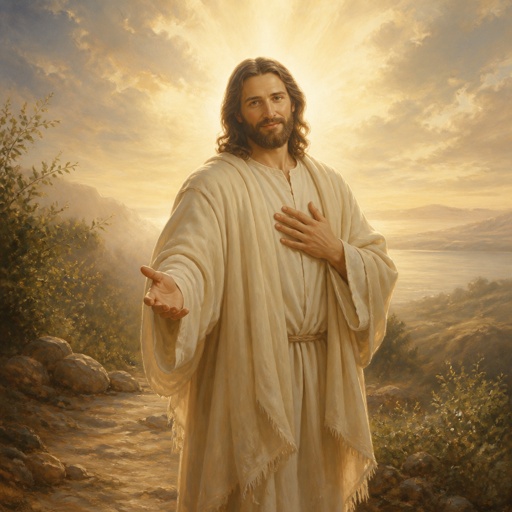
"No man hath seen God at any time; the only begotten Son, which is in the bosom of the Father, he hath declared him." - John 1:18

1 John 5:18

1 John 4:18

1 John 4:18

3 John 1:8 - "We therefore ought to receive such, that we might be fellowhelpers to the truth."

John 1:8 - "He was not that Light, but was sent to bear witness of that Light."

1 John 1:8 - "If we say that we have no sin, we deceive ourselves, and the truth is not in us."

2 John 1:8 - "Look to yourselves, that we lose not those things which we have wrought, but that we receive a full reward."

1 John 3:18 - "My little children, let us not love in word, neither in tongue; but in deed and in truth."

"He was not that Light, but was sent to bear witness of that Light." - John 1:8

"We therefore ought to receive such, that we might be fellowhelpers to the truth." - 3 John 1:8

1 John 5:18 - "We know that whosoever is born of God sinneth not; but he that is begotten of God keepeth himself, and that wicked one toucheth him not."

1 John 4:18 - "There is no fear in love; but perfect love casteth out fear: because fear hath torment. He that feareth is not made perfect in love."

John 7:17-18

John 7:17-18

John 7:17-18

John 7:17-18

John 18:25

john 18:36

1 John 2:18 - "Little children, it is the last time: and as ye have heard that antichrist shall come, even now are there many antichrists; whereby we know that it is the last time."

John 18:1 - "When Jesus had spoken these words, he went forth with his disciples over the brook Cedron, where was a garden, into the which he entered, and his disciples."

"There is no fear in love; but perfect love casteth out fear: because fear hath torment. He that feareth is not made perfect in love." - 1 John 4:18

"If we say that we have no sin, we deceive ourselves, and the truth is not in us." - 1 John 1:8

1 John 3:18-19 - "My little children, let us not love in word, neither in tongue; but in deed and in truth. And hereby we know that we are of the truth, and shall assure our hearts before him."

John 18:27 - "Peter then denied again: and immediately the cock crew."

John 6:18 - "And the sea arose by reason of a great wind that blew."

1 John 4:18-19 - "There is no fear in love; but perfect love casteth out fear: because fear hath torment. He that feareth is not made perfect in love. We love him, because he first loved us."

"Look to yourselves, that we lose not those things which we have wrought, but that we receive a full reward." - 2 John 1:8

Mark 2:18 - "And the disciples of John and of the Pharisees used to fast: and they come and say unto him, Why do the disciples of John and of the Pharisees fast, but thy disciples fast not?"