Seeing Beyond the Fig Tree: A Journey to Greater Faith
“Jesus answered and said unto him, Because I said unto thee, I saw thee under the fig tree, believest thou? thou shalt see greater things than these.” — John 1:50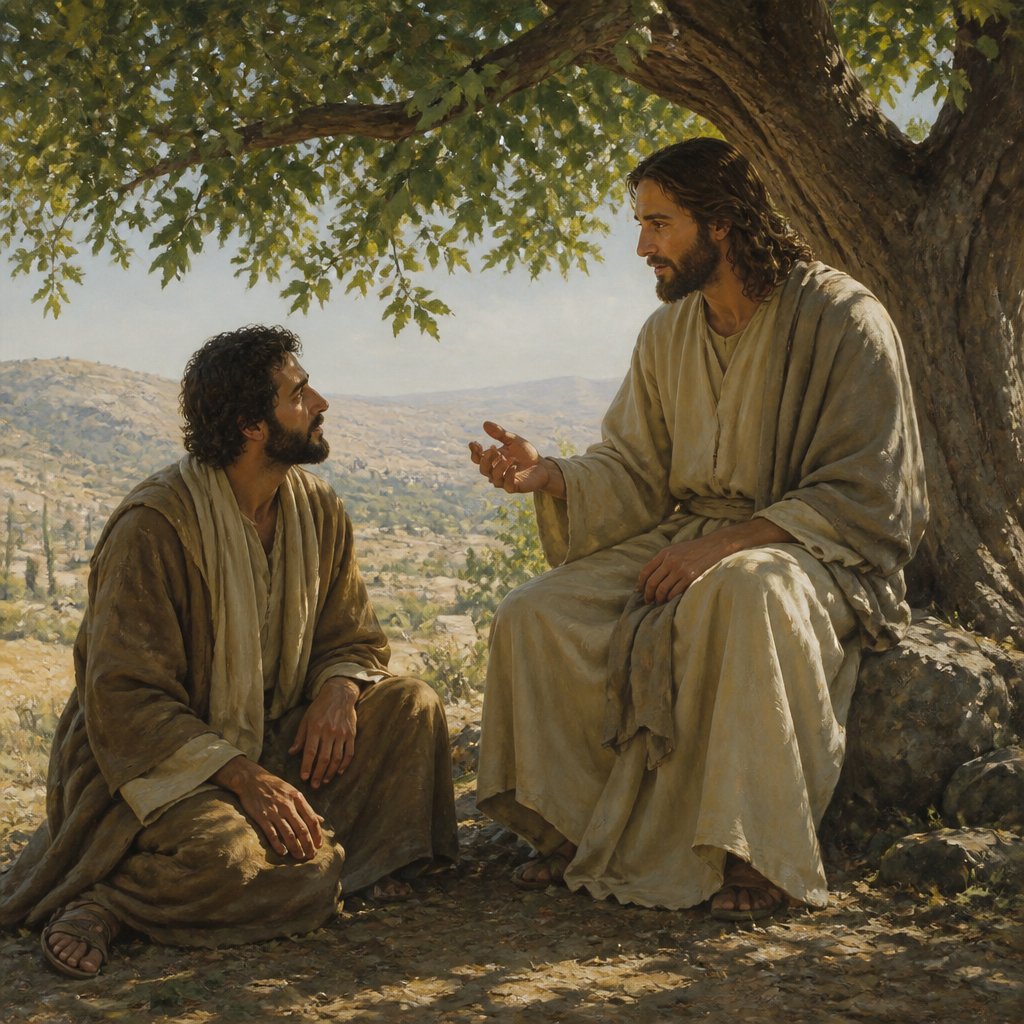
In John 1:50, Jesus answers Nathanael with the words, "Jesus answered and said unto him, Because I said unto thee, I saw thee under the fig tree, believest thou? thou shalt see greater things than these." This passage not only reveals the omniscience of Christ but also invites Nathanael—and us—into a journey of deeper faith and revelation.
The context surrounding this verse is profound. Nathanael is initially skeptical about Jesus' messianic identity. When Philip, his friend, tells him about Jesus of Nazareth, Nathanael famously retorts, "Can there any good thing come out of Nazareth?" (John 1:46, KJV). This response echoes the prejudices of his time and speaks to the limitations that human perceptions can impose. Yet, when Nathanael approaches Jesus, his skepticism meets the divine insight of the Son of God.
Upon meeting Nathanael, Jesus reveals a startling truth: He had seen him under the fig tree before Philip called him. This moment is pivotal; it emphasizes Jesus’ divine ability to perceive and know the hearts and secrets of men. When Nathanael realizes this, his doubt transforms into belief, and he proclaims Jesus as the Son of God. The fig tree, a symbol of peace and security in ancient Judaic culture, represents not only Nathaniel’s current state but also his spiritual perception. It is under this fig tree that Jesus sees him, inviting him to a deeper understanding of himself and what is possible through faith in Christ.
“Believest thou?” Jesus asks. This question is both a challenge and an invitation. It compels Nathanael—and us—to examine our beliefs. How often do we settle for the mundane, for what is merely visible before us? Nathanael saw Jesus as a mere man from a humble origin. But Jesus calls him—and us—to rise above our initial impressions and limited understanding to witness the unfolding of greater truths.
The last part of the verse serves as a declaration of promise: "thou shalt see greater things than these." This prophetic invitation opens the door to the vastness of God’s plans, much greater than we might perceive at first glance. Jesus implies that the revelation Nathanael has received is merely the beginning. Greater things—miracles, divine encounters, the unfolding of God's kingdom—are on the horizon.
Just as Nathanael was under the fig tree, this draws us to ask: Where are we in our faith journey? Have we limited ourselves to seeing only the present realities, the obvious, the comprehensible? Just as the fig tree served as a private sanctuary for Nathanael, our current situations can often feel like confining spaces. We may think our struggles, doubts, and fears are too overwhelming for God to handle. We may feel lost in our fig tree shadows, yet even there, God sees us and knows us intimately.
As we reflect on this powerful encounter, let’s remind ourselves that faith invites us into a relationship with Jesus that transcends our limited understanding. Jesus sees us—our joys, our struggles, and our potential. He knows where we've been and what is possible for us in Him. The call to witness greater things is not just for Nathanael; it's for each of us as we walk in unity with Christ, challenging our doubts and cultivating our faith.
In this season, consider what greater things Christ may be whispering to you. Are you prepared to step out of the fig tree’s shade of comfort and into the light of His greater calling? Embrace His invitation, for every step of faith unveils deeper truths of His love and majesty. As we lean into our relationship with Christ, may we expect to see as Nathanael did, not just where we are today but the glorious possibilities of what we can become in Him.
Get our apps


Artwork for John 1:50
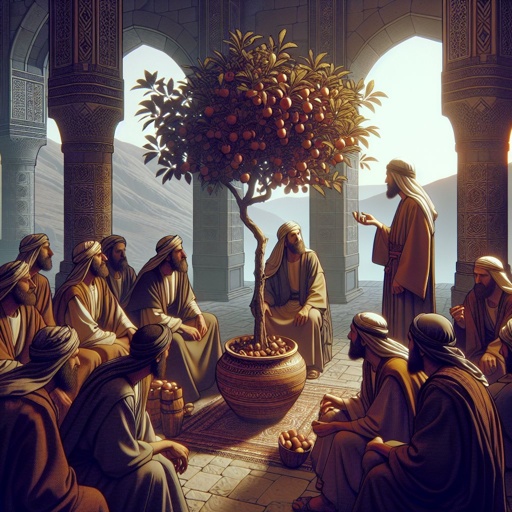
John 1:50 - "Jesus answered and said unto him, Because I said unto thee, I saw thee under the fig tree, believest thou? thou shalt see greater things than these."
"Jesus answered and said unto him, Because I said unto thee, I saw thee under the fig tree, believest thou? thou shalt see greater things than these." - John 1:50

John 8:50 - "And I seek not mine own glory: there is one that seeketh and judgeth."

John 7:50 - "Nicodemus saith unto them, (he that came to Jesus by night, being one of them,)"

John 6:50 - "This is the bread which cometh down from heaven, that a man may eat thereof, and not die."

John 11:50 - "Nor consider that it is expedient for us, that one man should die for the people, and that the whole nation perish not."

Luke 7:50

Luke 7:50

John 12:50 - "And I know that his commandment is life everlasting: whatsoever I speak therefore, even as the Father said unto me, so I speak."
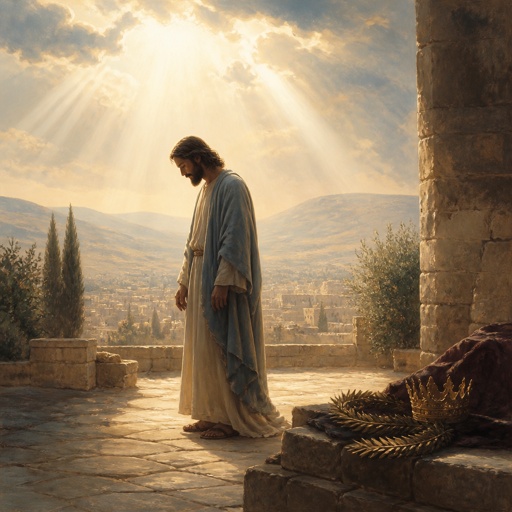
"And I seek not mine own glory: there is one that seeketh and judgeth." - John 8:50

Numbers 1:50 -53

Numbers 1:50 -53

Numbers 1:50 -53

John 6:50 - "This is the bread which cometh down from heaven, that a man may eat thereof, and not die."

1 Kings 1:50 - "¶ And Adonijah feared because of Solomon, and arose, and went, and caught hold on the horns of the altar."

John 6:50 - "This is the bread which cometh down from heaven, that a man may eat thereof, and not die."

John 4:50 - "Jesus saith unto him, Go thy way; thy son liveth. And the man believed the word that Jesus had spoken unto him, and he went his way."
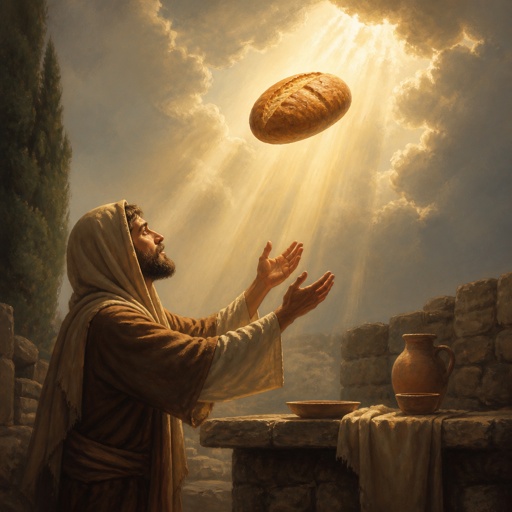
"This is the bread which cometh down from heaven, that a man may eat thereof, and not die." - John 6:50
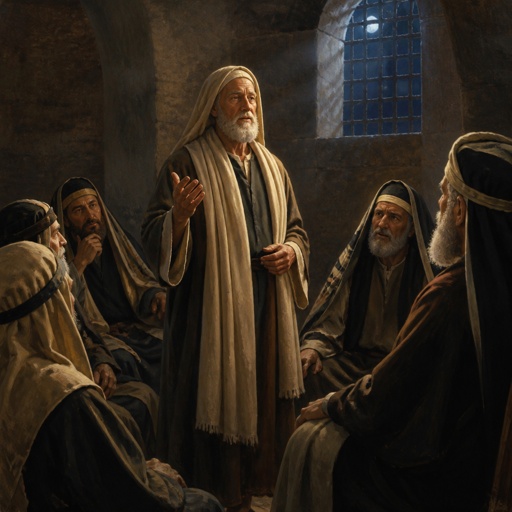
"Nicodemus saith unto them, (he that came to Jesus by night, being one of them,)" - John 7:50

Jeremiah 50:1 - "The word that the LORD spake against Babylon and against the land of the Chaldeans by Jeremiah the prophet."
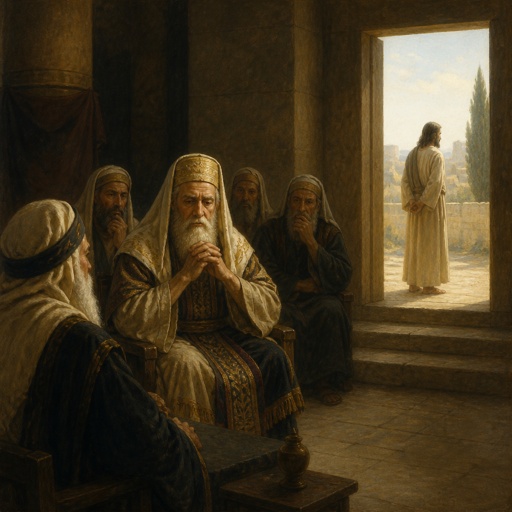
"Nor consider that it is expedient for us, that one man should die for the people, and that the whole nation perish not." - John 11:50

Luke 1:50 - "And his mercy is on them that fear him from generation to generation."

Genesis 50:1 - "And Joseph fell upon his father's face, and wept upon him, and kissed him."
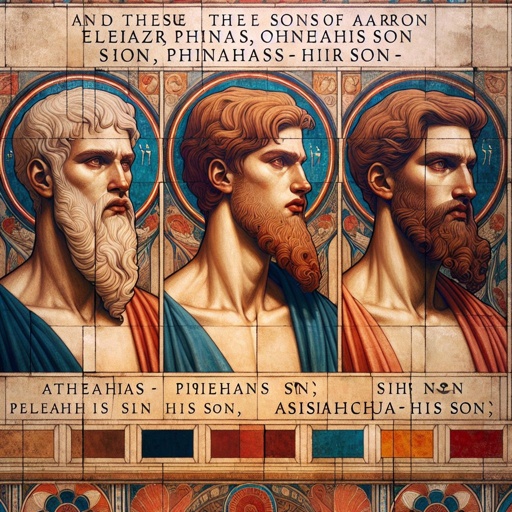
1 Chronicles 6:50 - "And these are the sons of Aaron; Eleazar his son, Phinehas his son, Abishua his son,"
1 Chronicles 2:50 - "¶ These were the sons of Caleb the son of Hur, the firstborn of Ephratah; Shobal the father of Kirjath-jearim,"

1 Chronicles 1:50 - "And when Baal-hanan was dead, Hadad reigned in his stead: and the name of his city was Pai; and his wife's name was Mehetabel, the daughter of Matred, the daughter of Mezahab."

Psalms 50:1 - "The mighty God, even the LORD, hath spoken, and called the earth from the rising of the sun unto the going down thereof."

1 Samuel 14:50 - "And the name of Saul's wife was Ahinoam, the daughter of Ahimaaz: and the name of the captain of his host was Abner, the son of Ner, Saul's uncle."

1 Samuel 17:50 - "So David prevailed over the Philistine with a sling and with a stone, and smote the Philistine, and slew him; but there was no sword in the hand of David."
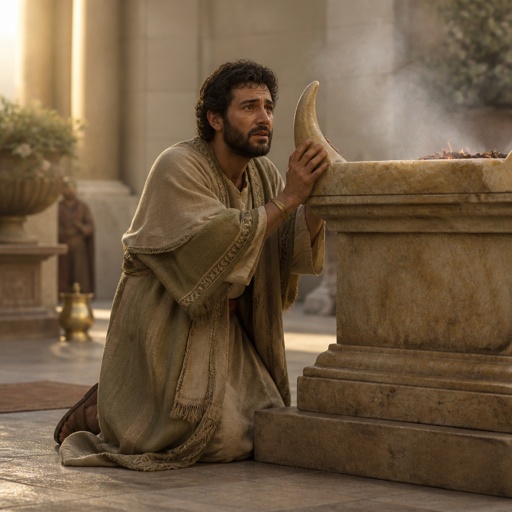
"¶ And Adonijah feared because of Solomon, and arose, and went, and caught hold on the horns of the altar." - 1 Kings 1:50