The Resurrection Encounter: An Invitation to Discover
“Then cometh Simon Peter following him, and went into the sepulchre, and seeth the linen clothes lie,” — John 20:6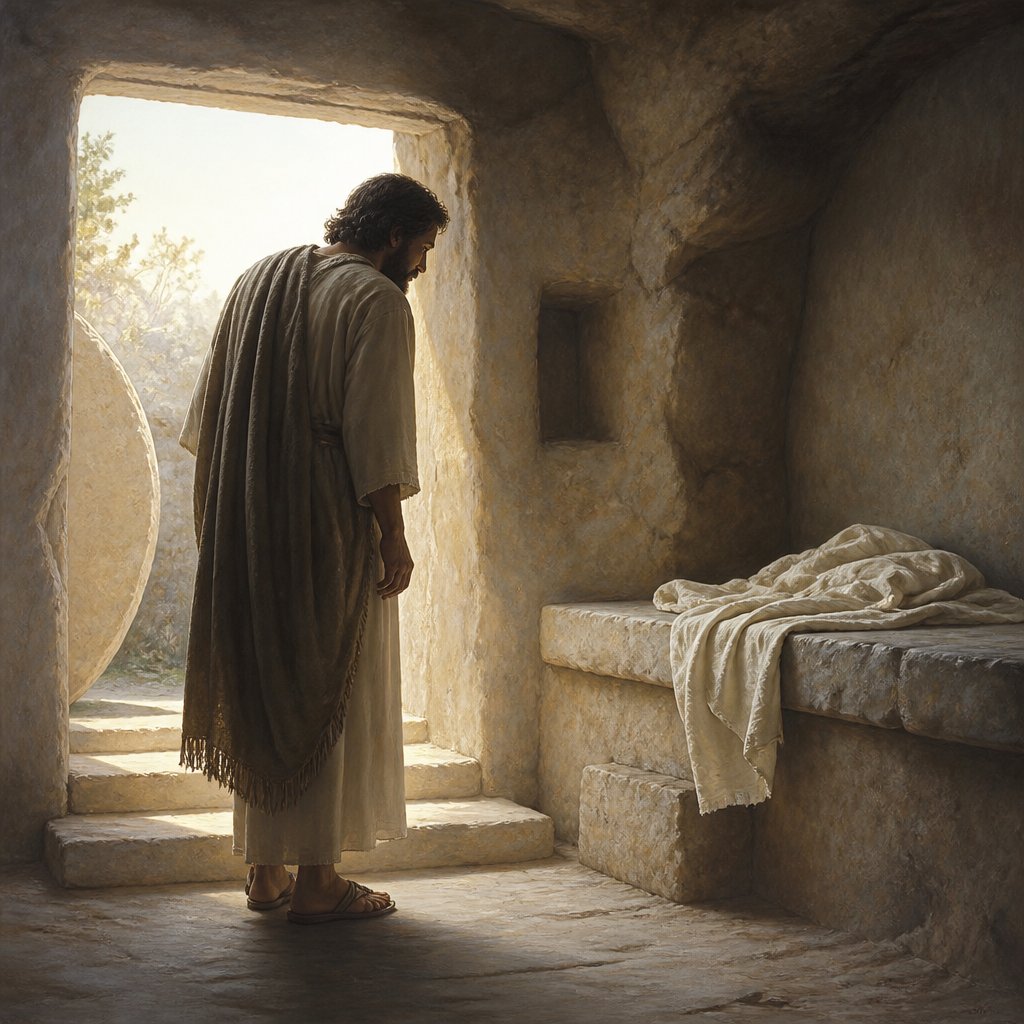
John 20:6 states, "Then cometh Simon Peter following him, and went into the sepulchre, and seeth the linen clothes lie." This powerful scene unfolds on the first Easter morning, a moment etched in the annals of human history—where mourning collided with awe as the narrative of despair transformed into the exuberance of resurrection.
As we reflect on this passage, we find ourselves drawn into a narrative of discovery. Simon Peter, filled with confusion and possibly dread, hastens to the empty tomb following the beloved disciple, John. This moment serves as a profound invitation not just for Peter, but for all who choose to follow Jesus, to venture into deeper realms of faith and understanding.
The act of Simon Peter entering the sepulchre symbolizes a transition from uncertainty to revelation. The sepulchre was a place of death, where the lifeless body of Jesus had been laid. Yet when Peter arrived, he did not find what he expected. Instead of a lifeless Savior, he encountered linen clothes that lay undisturbed. The image of these clothes, still in their place, signifies the audacious reality of Jesus’ resurrection. It prompts us to ponder: what are we expecting when we approach our own lives and our relationships with Christ?
In our own walk of faith, we often find ourselves at the sepulchres of our lives—those points of sorrow, loss, and feelings of abandonment. It might be a failed relationship, a loss of job, or the death of a loved one. We can become overwhelmed by these tombs of despair, entombed by our grief and disappointment. However, the resurrection invites us to enter these sepulchres and to explore what lies within.
Peter's action encourages us to seek truth beyond what appears to be the finality of our situations. Just as he stepped into the sepulchre and noted the linen clothes lying there, we too are invited to observe, reflect, and embrace the remaining evidence of God’s goodness even amidst apparent loss. We may not see the resurrection immediately, but as we lean into our faith, we can trust that God is at work in ways we cannot see yet.
Furthermore, as we consider the linen clothes, we are reminded of the transformative power of resurrection. These grave clothes, which once bound Jesus, now lay empty, signaling the end of bondage. For us, Christ’s resurrection signifies that our chains—whether they be sin, shame, or the burdens of this world—can be shed. Through Christ, we are not simply resuscitated; we are made new. We see the linen garments as symbols of our past life, left behind as we step into the newness of life that Christ offers.
It is vital to recognize that this passage is not just an end but a beginning. Peter would go on to be a formidable leader in the early church, empowered by the Holy Spirit and marked by the witness of the resurrection. In our own lives, we must ask ourselves how we are responding to the resurrection. Are we clinging to the grave clothes of yesteryears, or are we embracing the new measure of faith that calls us to rise?
As we reflect upon John 20:6, let us remember that the empty sepulchre is an invitation—a divine call to leave our graves behind and step into the fullness of life that Jesus offers. May we, like Simon Peter, be willing to follow Him, examine our doubts, and uncover the profound depths of His love and sacrifice for us. Indeed, He is not here; He is risen, and with Him, we too can rise!
Get our apps


Artwork for John 20:6

John 20:6 - "Then cometh Simon Peter following him, and went into the sepulchre, and seeth the linen clothes lie,"
"Then cometh Simon Peter following him, and went into the sepulchre, and seeth the linen clothes lie," - John 20:6

John 20:6 I would like a picture of Peter in the tomb, with a couple of angels who don’t want him to be afraid.

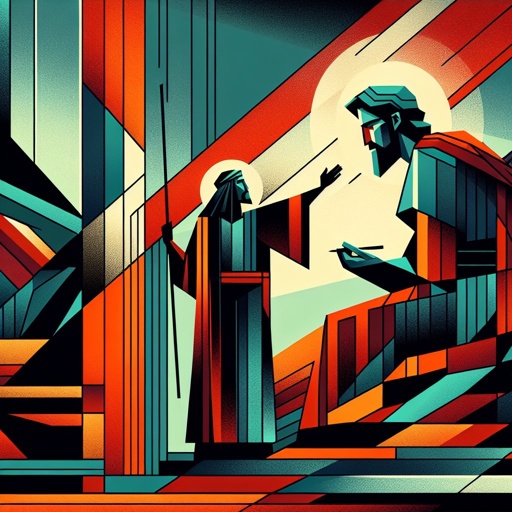
John 6:20 - "But he saith unto them, It is I; be not afraid."

Luke 20:6 - "But and if we say, Of men; all the people will stone us: for they be persuaded that John was a prophet."

"But he saith unto them, It is I; be not afraid." - John 6:20
Mark 6:20 - "For Herod feared John, knowing that he was a just man and an holy, and observed him; and when he heard him, he did many things, and heard him gladly."
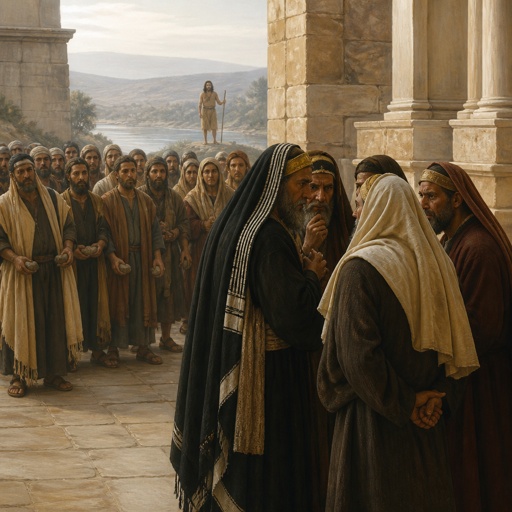
"But and if we say, Of men; all the people will stone us: for they be persuaded that John was a prophet." - Luke 20:6

John 20:21

John 20:27

John 20:14

John 20:27

John 20:11-12

John 20:11-13

John 20:30-31
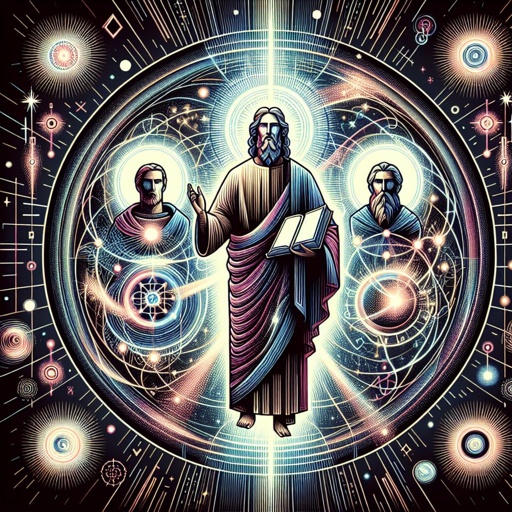
John 1:6 - "¶ There was a man sent from God, whose name was John."

John 6:63

John 6:63

John 6:63

John 6:63

Luke 20:4 - "The baptism of John, was it from heaven, or of men?"
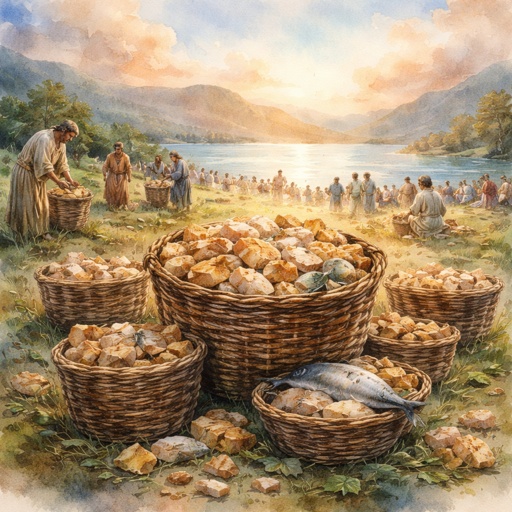
John 6:12

John 6:40

John 21:6

John 14:6

John 1:20 - "And he confessed, and denied not; but confessed, I am not the Christ."

John 21:6

John 6:16

John 6:37

John 21:6