The Revelation of Resurrection: Understanding Our Hope
“For as yet they knew not the scripture, that he must rise again from the dead.” — John 20:9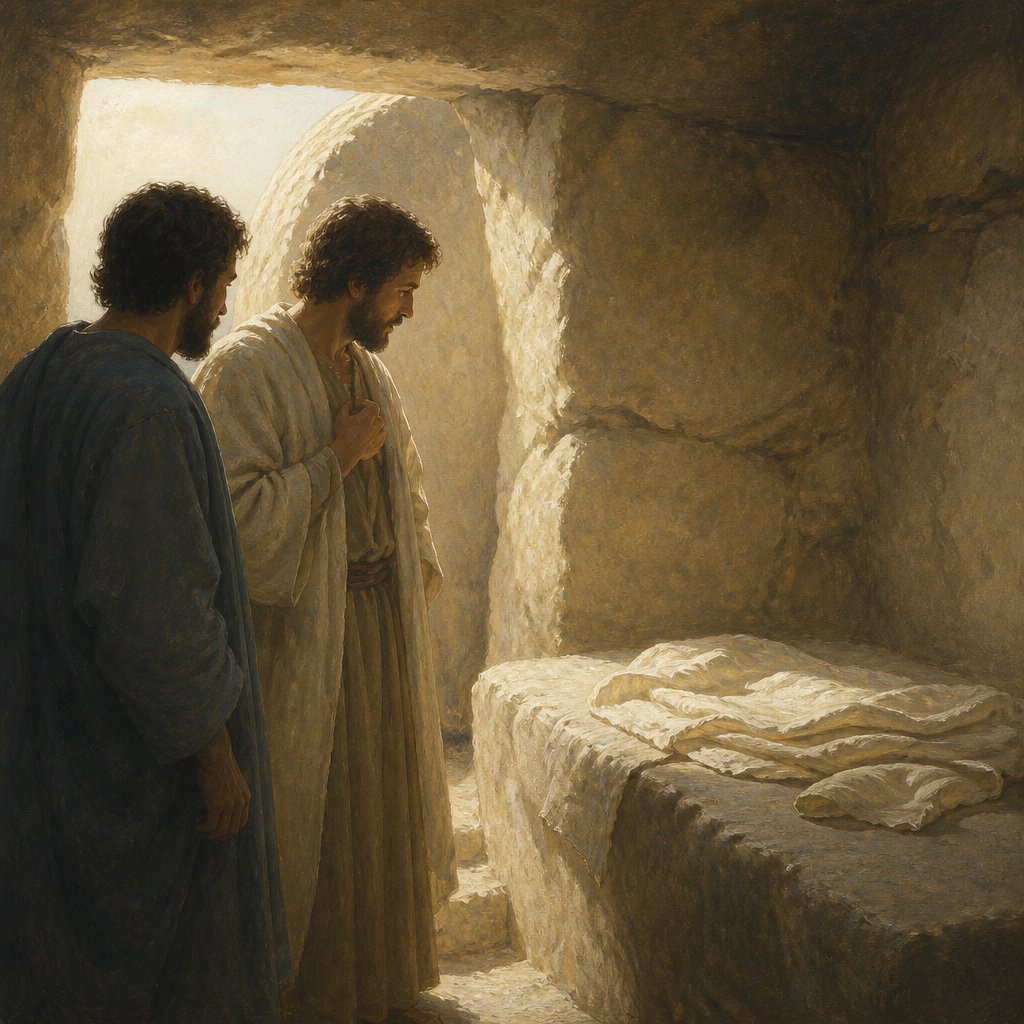
In John 20:9, we read, "For as yet they knew not the scripture, that he must rise again from the dead." This poignant verse encapsulates a moment of dawning understanding among the disciples of Jesus, illustrating their inner turmoil and confusion in the aftermath of the crucifixion. As we reflect on this scripture, we are invited to explore the depths of its meaning and its implications for our faith today.
The context of John 20:9 is profound. The setting is the morning of the resurrection. Mary Magdalene has found the tomb empty and, in her anxiety and despair, she rushes to inform Peter and John. They race to the tomb, fueled by a mixture of hope, fear, and sorrow. Upon arriving, they find the grave clothes neatly arranged, but no sign of the body of Jesus. As they behold the empty tomb, John records this poignant detail: they did not yet understand the Scriptures that foretold the necessity of Christ's resurrection.
This lack of understanding highlights a central theme in the Christian faith: the journey from confusion to clarity. The disciples had spent three years with Jesus; they had witnessed miracles, heard teachings that challenged their perceptions of faith, and yet, the anticipated fulfillment of prophecy regarding His resurrection was still elusive. This moment invites us to consider our own understanding of Scripture and the holy mysteries of our faith.
In our lives, there will be moments akin to those of the disciples—times when we encounter despair, when the circumstances around us appear bleak, and when we feel far from the light of understanding. During such times, we might be reminded that even those closest to Christ struggled with the truths that God had woven throughout their sacred texts. Like them, our first instinct might be fear or doubt, but the Lord calls us toward a deeper revelation.
John 20:9 also serves as a reminder that our understanding of God’s promises is often progressive. The disciples had the written prophecies, but the full meaning of those prophecies was not yet revealed. Similarly, in our spiritual walks, we may read the Word of God, but the depths of its beauty and truth can often unfold in layers, revealing more as we grow in faith.
Consider the implications of what it means to grasp the necessity of Christ’s resurrection. Paul reminds us in 1 Corinthians 15:17, "And if Christ be not raised, your faith is vain; ye are yet in your sins." The resurrection is not just a historical event—it is the cornerstone of our hope as believers. Through Christ’s triumph over death, we are assured that our sins are forgiven, and we are granted eternal life.
Therefore, in knowing that the disciples struggled to comprehend what had been foretold, we are encouraged to probe deeper into God’s Word. We should not shy away from questions or uncertainties regarding our understanding of Scripture. Instead, we should approach God earnestly in prayer and study, asking the Holy Spirit to impart wisdom and insight.
In closing, John 20:9 stands as a powerful assertion of the importance of revelation in our spiritual journeys. The resurrection represents the ultimate assurance that despair does not have the final word. In our lives, as we confront our own 'empty tombs'—the moments and circumstances that seem devoid of hope—let us remember that Christ is risen indeed! Let us turn to Scripture with a prayerful heart, seeking understanding and preparing ourselves to rejoice in the abundant life He offers.
May our faith grow as we uncover the depths of God’s words, and may we, like the disciples, come to a fuller understanding of the promise that He must rise again from the dead, granting us both hope and purpose in our walk with Him.
Get our apps


Artwork for John 20:9

John 20:9 - "For as yet they knew not the scripture, that he must rise again from the dead."
"For as yet they knew not the scripture, that he must rise again from the dead." - John 20:9

John 9:20 - "His parents answered them and said, We know that this is our son, and that he was born blind:"
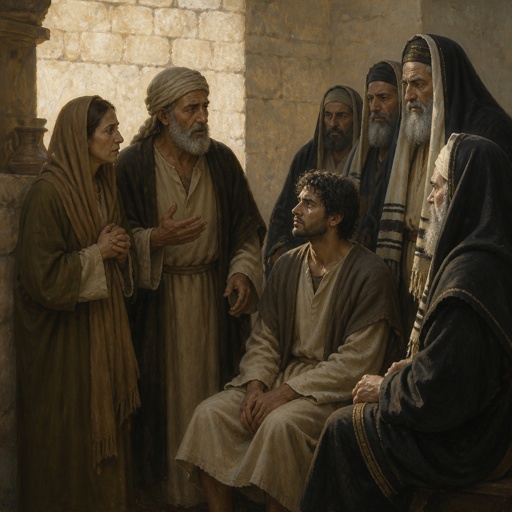
"His parents answered them and said, We know that this is our son, and that he was born blind:" - John 9:20

John 20:21

John 20:14

John 20:27

John 20:27

John 20:11-12

John 20:11-13

John 20:30-31
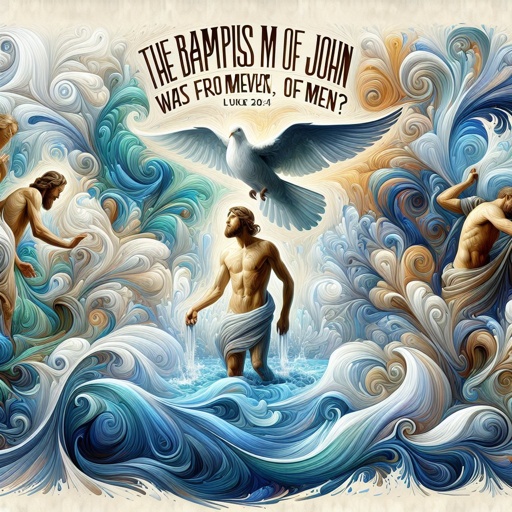
Luke 20:4 - "The baptism of John, was it from heaven, or of men?"

john 21:9
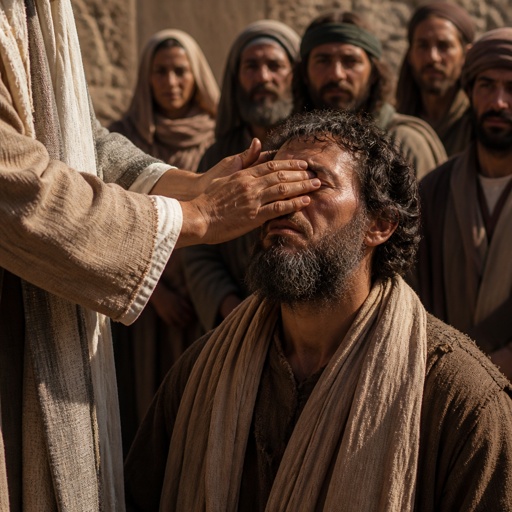
John 9:10

John 10:9

John 10:9

John 10:9

John 6:20 - "But he saith unto them, It is I; be not afraid."
John 1:20 - "And he confessed, and denied not; but confessed, I am not the Christ."

John 20:10 - "Then the disciples went away again unto their own home."

John 6:8-9

John 9:1-3

John 13:4-9

John 9:1-41

1 John 1:9

Genesis 20:9

John 15:9-10

John 15:9-10

John 16:9 - "Of sin, because they believe not on me;"

John 20:20 - "And when he had so said, he shewed unto them his hands and his side. Then were the disciples glad, when they saw the Lord."