The Bread and the Fish: A Feast of Restoration
“Jesus then cometh, and taketh bread, and giveth them, and fish likewise.” — John 21:13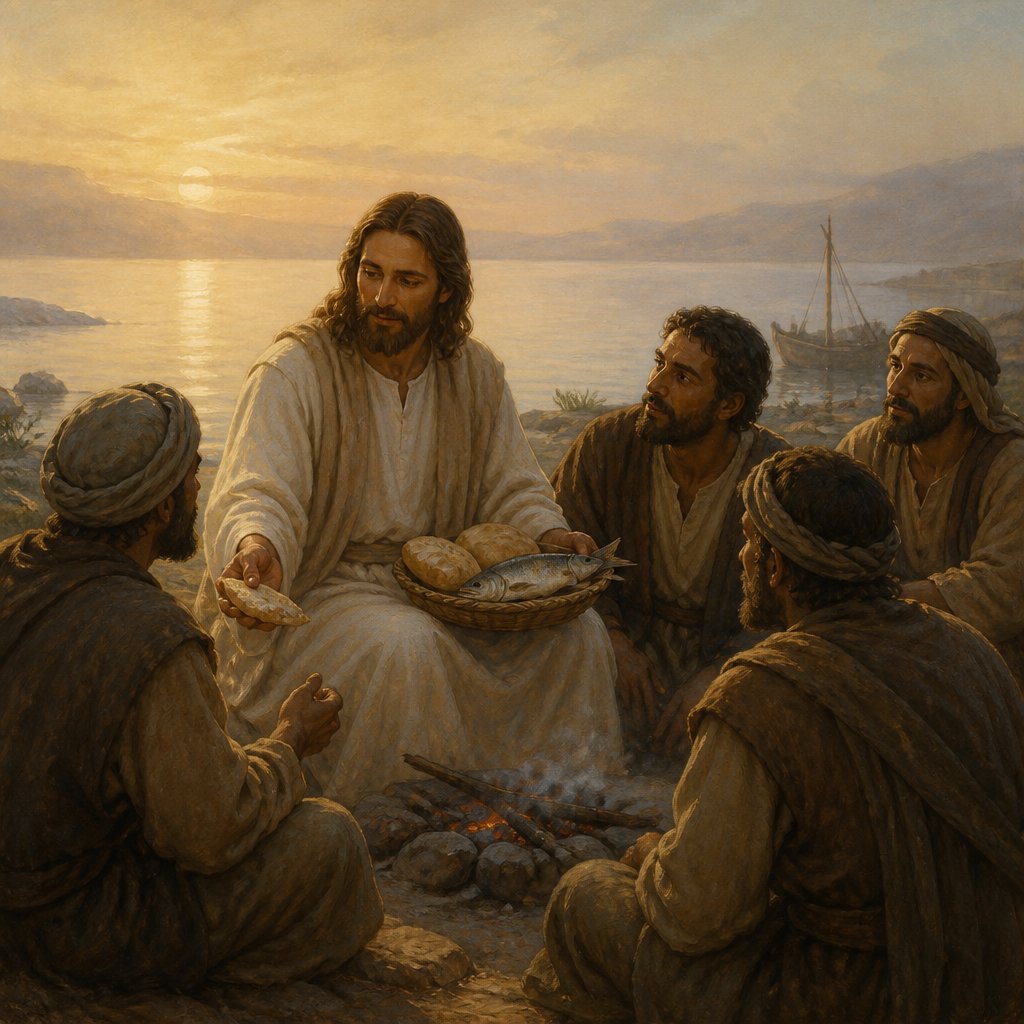
In the Gospel of John, chapter 21, we encounter a poignant moment of intimacy between Jesus and His disciples after His resurrection. Verse 13 reads: "Jesus then cometh, and taketh bread, and giveth them, and fish likewise." This passage is rich with symbolism and implications for our lives as followers of Christ.
To understand the depth of this moment, we must first consider the context. After the crucifixion and resurrection, the disciples found themselves back in familiar territory – fishing. They had returned to their old lives, perhaps out of confusion, fear, or a longing for the normalcy they once knew before they became disciples. But that night, they caught nothing. Just as they were familiar with the sea, they were equally familiar with failure.
Yet, in their moment of despair, Jesus appeared on the shore, His presence undisguised but unrecognized by them initially. This reminds us of our own lives; even when we feel lost or distant from our calling, Jesus is present, often waiting for us to turn our attention to Him. When He called out to them, instructing them to cast their nets on the other side of the boat, they experienced a miraculous haul of fish – a surge of abundance that they could not have achieved alone.
The symbolism of the bread and fish is profound. Bread is often associated with sustenance and life, while fish has its own biblical significance, notably as a symbol of abundance and blessing. By sharing bread and fish with His disciples, Jesus did more than provide a meal; He demonstrated His care for their physical and spiritual needs, affirming their worth and His desire to nourish them in both ways.
Jesus' act of taking bread, giving it to them, and then doing the same with the fish represents a restoration of fellowship and a reaffirmation of their purpose. In a world of chaos and uncertainty, Jesus takes us where we are, offers us sustenance, and enlivens our spirits so that we may carry on His work. The act of Jesus serving them in such a personal and tangible way is a perfect reflection of His nature as a servant leader and a reminder that He comes to us in our needs.
Moreover, in this passage, we see the essence of communion being played out. When we think of communion, our thoughts might drift to the Last Supper, where bread and wine were shared. Yet here, by the sea, we are given an encore of that moment. It emphasizes that communion with Christ isn't confined to rituals or traditions; it is woven into the fabric of our daily lives. In every meal we share and in every moment of fellowship with others, we are invited to experience the love of Christ.
It’s also significant that this meal took place after Jesus had already resurrected from the dead. This serves as a reminder that His resurrection isn’t just an event to acknowledge; it’s meant to be a living experience within us. Just as the disciples experienced a physical meal, we can experience a spiritual one – being reminded that He is the Bread of Life, coming to nourish our souls.
Finally, consider the implications of how the disciples responded to this gracious act of Jesus. They were called into a new understanding of their mission. After being showered with such grace and mercy, they would go on to spread the message of Christ to the world, leading with love and their own experiences of His provision. Similarly, when we encounter Christ in our lives, we cannot remain unchanged. We are called to carry that experience forward into the world, sharing the blessings we have received.
In conclusion, John 21:13 is a revelation of Christ's enduring love, His provision for our every need, and the intimate relationship He desires to cultivate with us. Let us embrace the bread and the fish as symbols of His ongoing ministry in our lives, offering gratitude for the sustenance He provides, both physical and spiritual, and committing to share this bounty with others as we journey together in faith.
Get our apps


Artwork for John 21:13

John 21:13 - "Jesus then cometh, and taketh bread, and giveth them, and fish likewise."
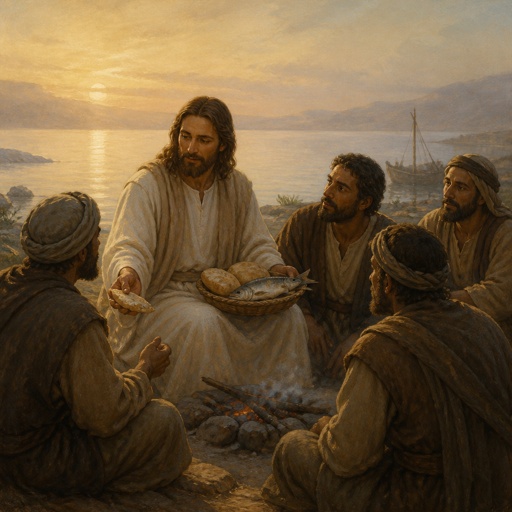
"Jesus then cometh, and taketh bread, and giveth them, and fish likewise." - John 21:13

Habakkuk 2:1-3

John 13:21 - "When Jesus had thus said, he was troubled in spirit, and testified, and said, Verily, verily, I say unto you, that one of you shall betray me."

John 20:21

john 21:9

John 21:6

John 21:21 - "Peter seeing him saith to Jesus, Lord, and what shall this man do?"

John 21:17

John 21:6

John 21:25

John 21:6

John 21:6

John 13

John 14:15-21

John 21:15-19

Luke 13:20-21

Luke 13:20-21
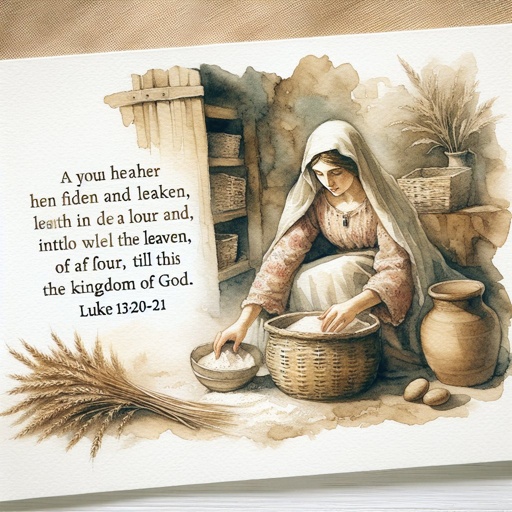
Luke 13:20-21

John 2:21 - "But he spake of the temple of his body."

Luke 13:20-21

Luke 13:20-21

Genesis 21-13

John 13:13 - "Ye call me Master and Lord: and ye say well; for so I am."
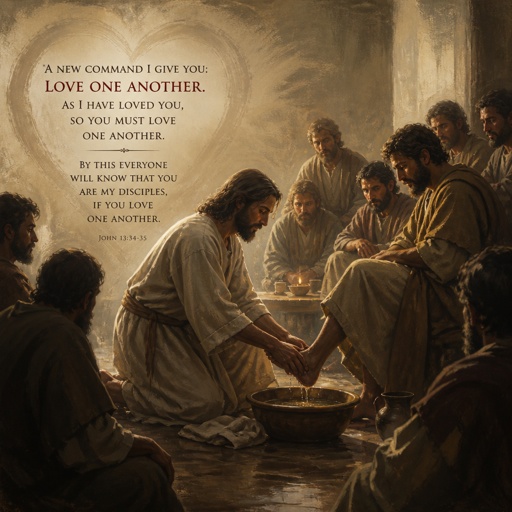
John 13: 34-35

John 13:4-9

JOHN 6:11-13

John 20:11-13

1 John 4:13

John 13:31-35