Miracles and Belief: The Faith Encounter at the Passover
“Now when he was in Jerusalem at the passover, in the feast day, many believed in his name, when they saw the miracles which he did.” — John 2:23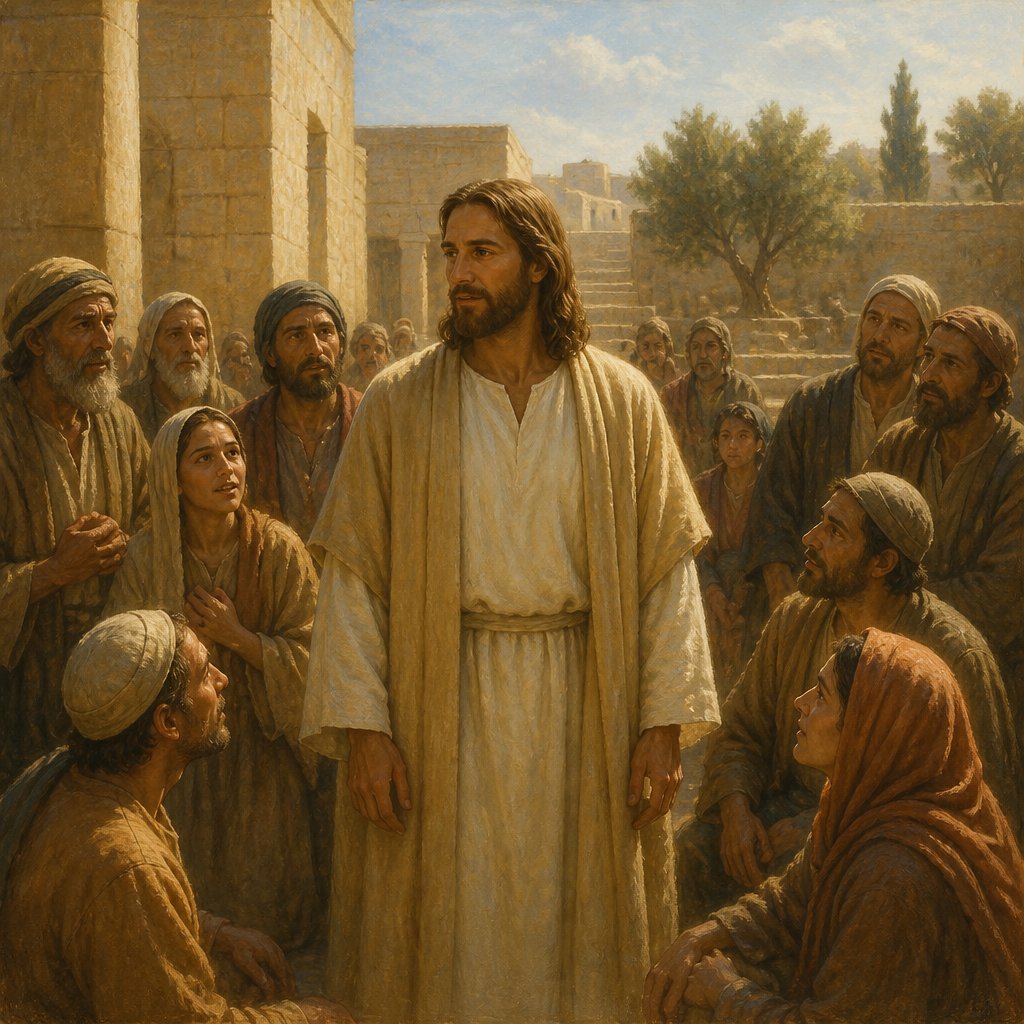
As we immerse ourselves in the narrative of John 2:23, we find ourselves drawn into a moment of profound significance: "Now when he was in Jerusalem at the passover, in the feast day, many believed in his name, when they saw the miracles which he did." This verse encapsulates a powerful season not only in the life of Jesus but also for those who witnessed His ministry. It reflects the intersection of divine action and human response, where miracles become a catalyst for belief.
**The Context of the Miracles**
The context of this verse is set during the Passover festival, one of the most important celebrations in the Jewish calendar. This festival commemorates the Israelites' deliverance from slavery in Egypt, a foundational event that shaped their identity as a people. It is a time when Jerusalem is filled with pilgrims, each seeking to reconnect with their faith and history. Into this holy gathering, Jesus arrives, creating a climate ripe for revelation. His miracles—acts of compassion, signs of power, and confirmation of His divinity—are not merely spectacles; they are invitations. An invitation to believe, to understand, and to embrace faith.
**The Nature of Belief**
The scripture states that many "believed in his name" after witnessing these miracles. This belief was likely born out of awe and wonder; yet, it raises a critical question about the nature of that belief. Is faith that is rooted only in miraculous signs truly enduring? While these individuals reacted to the immediate spectacle, genuine belief in Jesus involves more than merely witnessing His works; it requires a deep and personal acknowledgment of who He is, the Son of God, the promised Messiah.
In our modern context, we too can witness seemingly miraculous acts in our own lives—healing, provision, protection. These moments might stir an emotional response, prompting us to believe momentarily. However, true faith stretches beyond our immediate circumstances and is anchored in the understanding that miracles are expressions of God’s greater plans. As believers, we are called to look at the miracles as signs pointing toward a deeper truth: the character and nature of God.
**Miracles as a Reflection of God’s Glory**
Miracles performed by Jesus were not random acts of power; they were deliberate demonstrations of God’s glory and love. Each act of healing, each act of compassion, echoes the heart of God, His redemptive plan, and His desire for relationship. In John 2:23, we see how the miracles led many to belief, but we must ask ourselves: did those who believed truly understand the inner workings of grace and redemption?
The challenge for us is to navigate our faith journey beyond the shallow waters of signs and wonders into the deeper ocean of trust and relationship with Christ. Our encounters with God can certainly begin with the miraculous, yet they must evolve into something more profound—a faith rooted in scripture, a relationship nurtured by prayer, and an understanding cultivated through the guidance of the Holy Spirit.
**Responding to the Call**
As we reflect on this verse, let us consider our own reactions to the miraculous in our lives. Do we stop at amazement, or do we respond with a faith that compels us to pursue a deeper relationship with Christ? It is easy to believe when we can see, but the greater challenge—and greater reward—lies in believing without seeing, trusting God even in the silence or the waiting.
Jesus said, "Blessed are they that have not seen, and yet have believed" (John 20:29). May we seek to deepen our belief through the ongoing revelation of who Christ is, allowing the miracles to draw us into a more profound understanding of His love, grace, and the transformative power of faith.
Get our apps


Artwork for John 2:23

1 John 2:23 - "Whosoever denieth the Son, the same hath not the Father: (but) he that acknowledgeth the Son hath the Father also."

John 2:23 - "¶ Now when he was in Jerusalem at the passover, in the feast day, many believed in his name, when they saw the miracles which he did."

"Whosoever denieth the Son, the same hath not the Father: (but) he that acknowledgeth the Son hath the Father also." - 1 John 2:23
"¶ Now when he was in Jerusalem at the passover, in the feast day, many believed in his name, when they saw the miracles which he did." - John 2:23

1 John 2:3 - "And hereby we do know that we know him, if we keep his commandments."

John 2:3 - "And when they wanted wine, the mother of Jesus saith unto him, They have no wine."

"And hereby we do know that we know him, if we keep his commandments." - 1 John 2:3
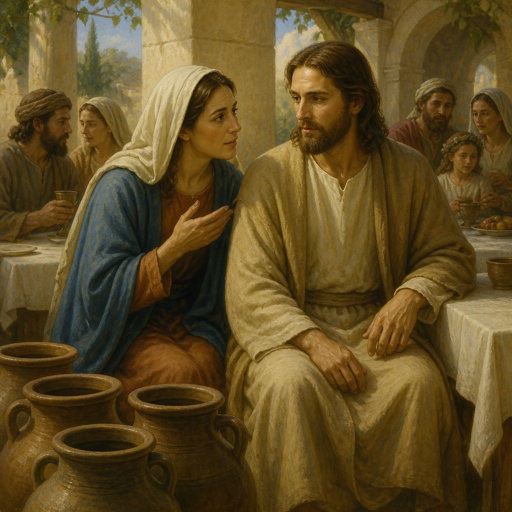
"And when they wanted wine, the mother of Jesus saith unto him, They have no wine." - John 2:3

John 3:23 - "¶ And John also was baptizing in Aenon near to Salim, because there was much water there: and they came, and were baptized."

John 14:23-29

John 14:23-29

John 14:23-29

John 10:23 - "And Jesus walked in the temple in Solomon's porch."

John 15:23 - "He that hateth me hateth my Father also."

John 9:23 - "Therefore said his parents, He is of age; ask him."

John 13:23 - "Now there was leaning on Jesus' bosom one of his disciples, whom Jesus loved."

John 12:23 - "¶ And Jesus answered them, saying, The hour is come, that the Son of man should be glorified."

John 11:23 - "Jesus saith unto her, Thy brother shall rise again."
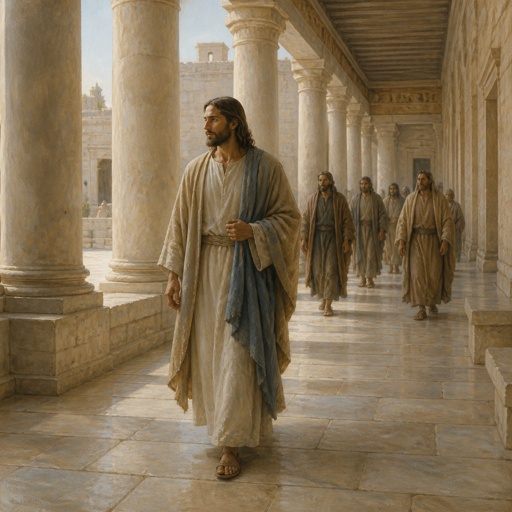
"And Jesus walked in the temple in Solomon's porch." - John 10:23

1 John 2:3-5 - "And hereby we do know that we know him, if we keep his commandments. He that saith, I know him, and keepeth not his commandments, is a liar, and the truth is not in him. But whoso keepeth his word, in him verily is the love of God perfected: hereby know we that we are in him."
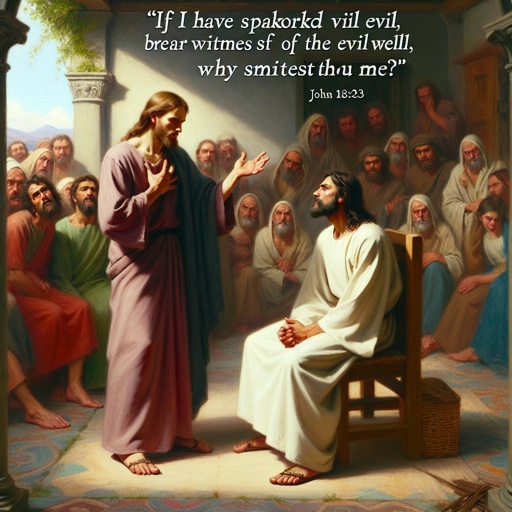
John 18:23 - "Jesus answered him, If I have spoken evil, bear witness of the evil: but if well, why smitest thou me?"

John 4:23 - "But the hour cometh, and now is, when the true worshippers shall worship the Father in spirit and in truth: for the Father seeketh such to worship him."

"¶ And John also was baptizing in Aenon near to Salim, because there was much water there: and they came, and were baptized." - John 3:23

John 20:23 - "Whose soever sins ye remit, they are remitted unto them; and whose soever sins ye retain, they are retained."
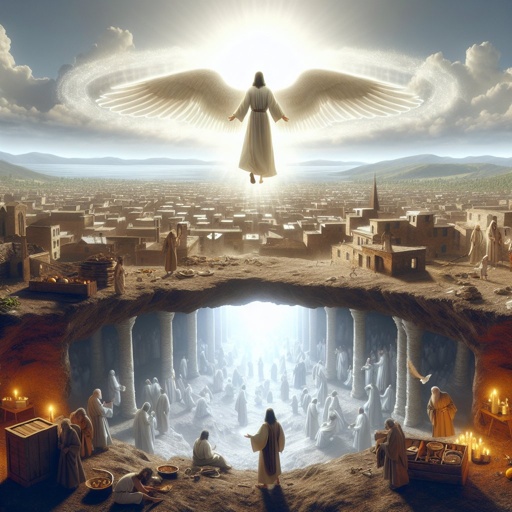
John 8:23 - "And he said unto them, Ye are from beneath; I am from above: ye are of this world; I am not of this world."

"He that hateth me hateth my Father also." - John 15:23

John 1:23 - "He said, I am the voice of one crying in the wilderness, Make straight the way of the Lord, as said the prophet Esaias."

2 Kings 23:23 - "But in the eighteenth year of king Josiah, wherein this passover was holden to the LORD in Jerusalem."
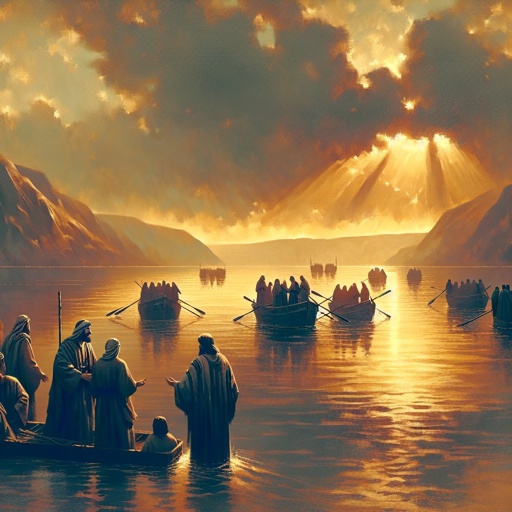
John 6:23 - "(Howbeit there came other boats from Tiberias nigh unto the place where they did eat bread, after that the Lord had given thanks:)"

John 5:23 - "That all men should honour the Son, even as they honour the Father. He that honoureth not the Son honoureth not the Father which hath sent him."