The Nighttime Encounter: Seeking Truth in the Shadows
“There was a man of the Pharisees, named Nicodemus, a ruler of the Jews: The same came to Jesus by night, and said unto him, Rabbi, we know that thou art a teacher come from God: for no man can do these miracles that thou doest, except God be with him.” — John 3:1-2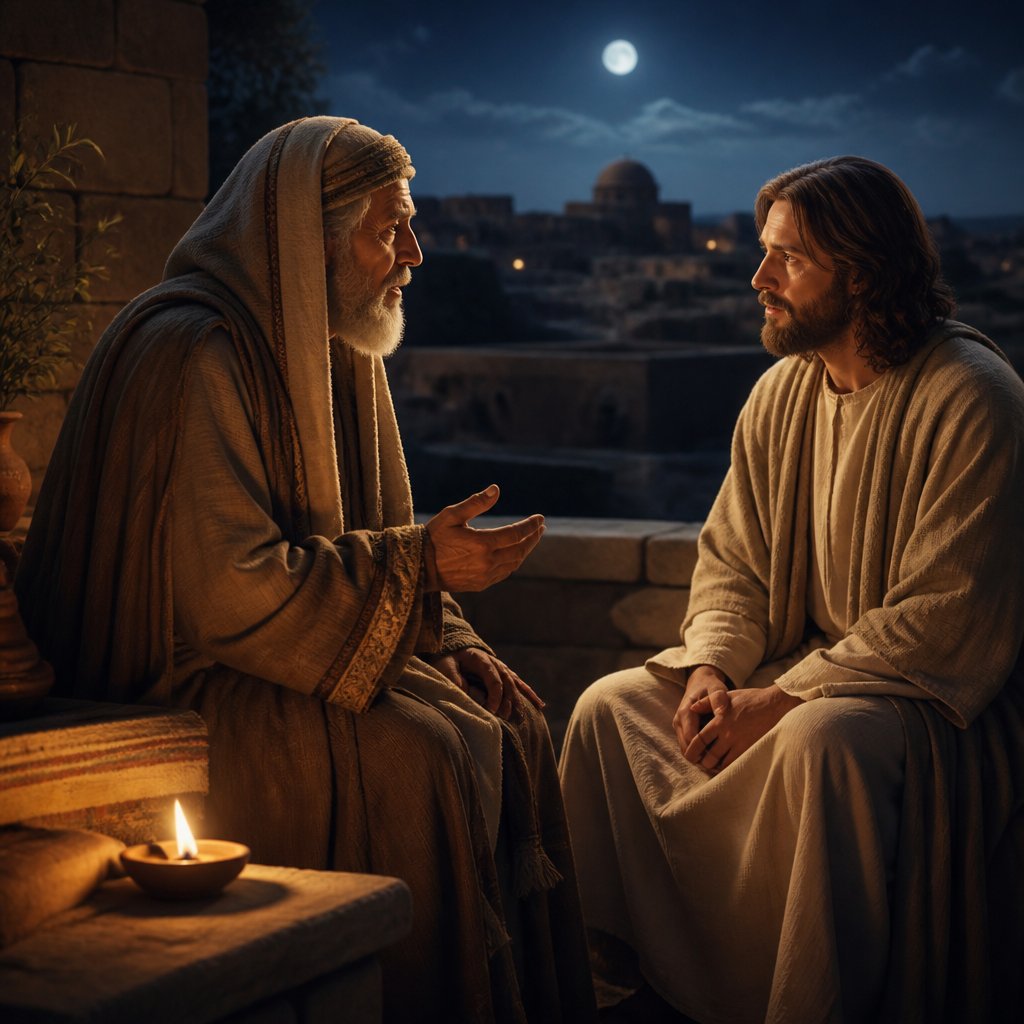
When we think about the night, what often comes to mind are the whispers of silence and the shrouds of darkness. It is a time characterized by solitude and reflection, where shadows dance across our thoughts, and many seek solace from a long day’s burden. In John 3:1-2, we are introduced to a significant night-time encounter that reshapes our understanding of faith and revelation:
"1 There was a man of the Pharisees, named Nicodemus, a ruler of the Jews: 2 The same came to Jesus by night, and said unto him, Rabbi, we know that thou art a teacher come from God: for no man can do these miracles that thou doest, except God be with him" (KJV).
Nicodemus is marked by the dichotomy inherent within his very identity. As a Pharisee, he represents the religious elite, steeped in the traditions and laws of Judaism, entrusted with the spiritual leadership of the nation. Yet despite his status as a ruler of the Jews, we find him seeking answers under the cover of night. This encounter invites us to ponder the implications of our own spiritual journeys and the courage it takes to pursue truth, even when it feels uncomfortable or risky.
Firstly, we can reflect on the significance of coming to Jesus at night. The very act symbolizes a deep yearning for understanding in the face of uncertainty. While the day is often associated with clarity and enlightenment, the night can evoke a sense of confusion or fear. Yet here is Nicodemus, knowingly stepping into a world filled with questions—an act that shows vulnerability and humility. This challenges us: Are we willing to approach Jesus amidst our own fears and uncertainties? Are we prepared to ask the difficult questions that arise from the shadows in our own lives?
Secondly, Nicodemus acknowledges Jesus as a “Rabbi,” a teacher who comes from God. This acknowledgment is profound. It signals that despite the rigid structures and societal expectations of his role, Nicodemus was willing to recognize the divine authority present in Jesus. He perceives the miracles performed by Jesus as signs of God’s presence; they do not merely represent supernatural phenomena, but a profound invitation to encounter the divine.
In our journey of faith, recognizing who Jesus is becomes fundamental. When we approach Him—whether in the daylight of our victories or through the murky challenges of our nights—it is important to acknowledge His authority over our lives. Christ’s teachings offer us wisdom that transforms our hearts and minds, leading us out of confusion into the light of understanding.
Moreover, Nicodemus does not merely express admiration; his conversation represents a desperate need for truth and enlightenment. He comes not just to satisfy curiosity, but to seek answers to life’s crucial questions. His honesty is refreshing and is an example for all who embark on the journey of faith. We might ask ourselves: Are we seeking answers with the same earnestness? Are we open to receiving revelations from Christ, even when they challenge our preconceived notions or risk our reputations?
Lastly, the context of Nicodemus' visit reveals a greater truth about the human condition—sometimes, the pursuit of truth demands that we step away from the comfort of established norms and brave the unknown. In similar ways, many of us find ourselves in situations where our faith must confront societal, relational, or internal barriers. Jesus welcomes us into conversation, offering answers, and leading us deeper into the truth of His love and grace.
In conclusion, John 3:1-2 is a reminder that the pursuit of God often occurs in quiet moments, where our vulnerabilities and questions can be safely expressed. Just as Nicodemus came to Jesus seeking understanding, let us also bring our doubts, fears, and questions before Him. And as we engage in this divine dialogue, may we find the light that dispels every shadow of uncertainty, illuminating our path towards a deeper relationship with Him. Let us not shy away from the night—rather, let us embrace it as a canvas upon which God can paint a revelation of His truth.
Get our apps


Artwork for John 3:1-2
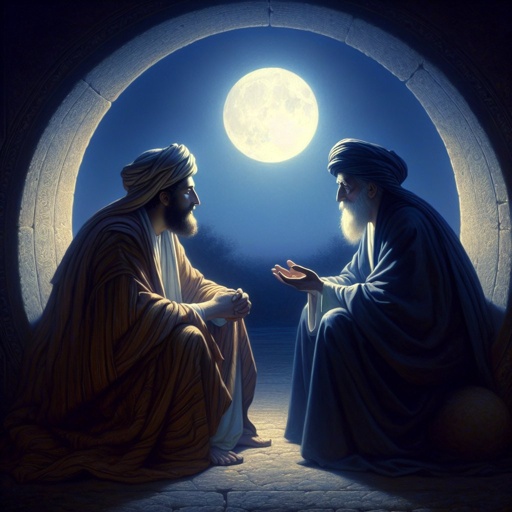
John 3:1-2 - "Now there was a man of the Pharisees named Nicodemus, a ruler of the Jews. This man came to Jesus by night and said to him, “Rabbi, we know that you are a teacher come from God, for no one can do these signs that you do unless God is with him."
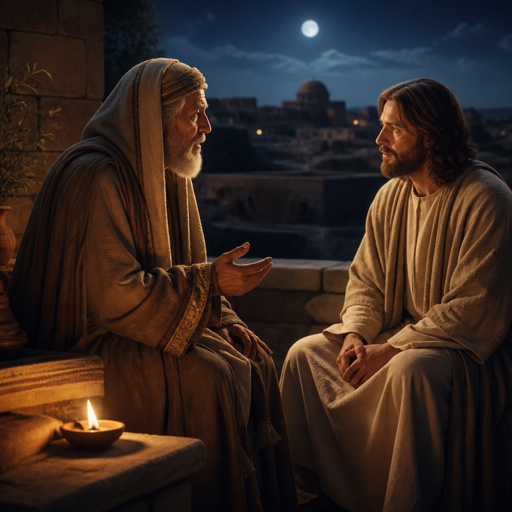
"Now there was a man of the Pharisees named Nicodemus, a ruler of the Jews. This man came to Jesus by night and said to him, “Rabbi, we know that you are a teacher come from God, for no one can do these signs that you do unless God is with him." - John 3:1-2

1 John 3:1-3
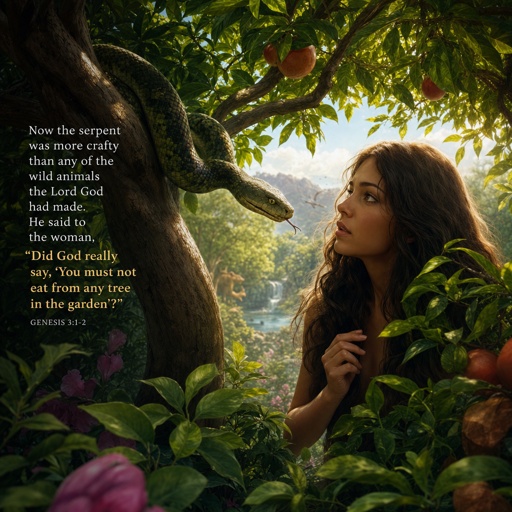
Genesis 3: 1-2

Titus 3:1-2

Titus 3:1-2

BORN AGAIN JOHN 3:1-13

1 John 2:3 - "And hereby we do know that we know him, if we keep his commandments."

1 John 3:2 – "Dear friends, now we are children of God, and what we will be has not yet been made known."

1 John 3:2 – "Dear friends, now we are children of God, and what we will be has not yet been made known."

John 3:3

3 John 1:2 - "Beloved, I wish above all things that thou mayest prosper and be in health, even as thy soul prospereth."

2 John 1:3 - "Grace be with you, mercy, and peace, from God the Father, and from the Lord Jesus Christ, the Son of the Father, in truth and love."

John 3:3-8

John 1:1-3 KJVA (1) In the beginning was the Word, and the Word was with God, and the Word was God. (2) The same was in the beginning with God. (3) All things were made by him; and without him was not any thing made that was made.

John 1:1-3 KJVA (1) In the beginning was the Word, and the Word was with God, and the Word was God. (2) The same was in the beginning with God. (3) All things were made by him; and without him was not any thing made that was made.

John 3:1 - "There was a man of the Pharisees, named Nicodemus, a ruler of the Jews:"

John 3:14

John 3:16

John 1:3

John 1:3

John 3:16

John 3:16

John 3:16

John 3-16

John 3:16

John 3:16
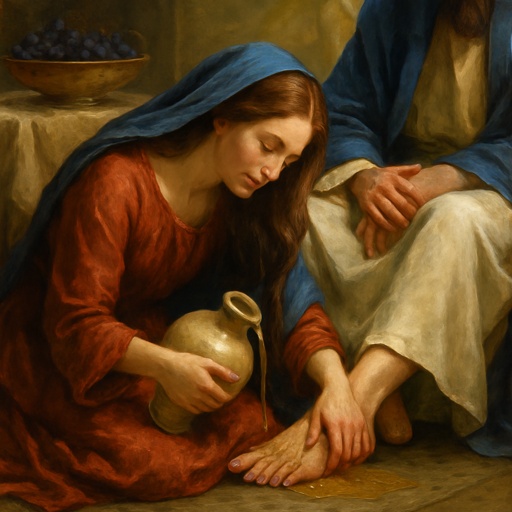
John 12:3

2 John 1:3 - "Grace be with you, mercy, and peace, from God the Father, and from the Lord Jesus Christ, the Son of the Father, in truth and love."

John 9:1-3