Sealing Our Faith: The Testimony of Truth
“He that hath received his testimony hath set to his seal that God is true.” — John 3:33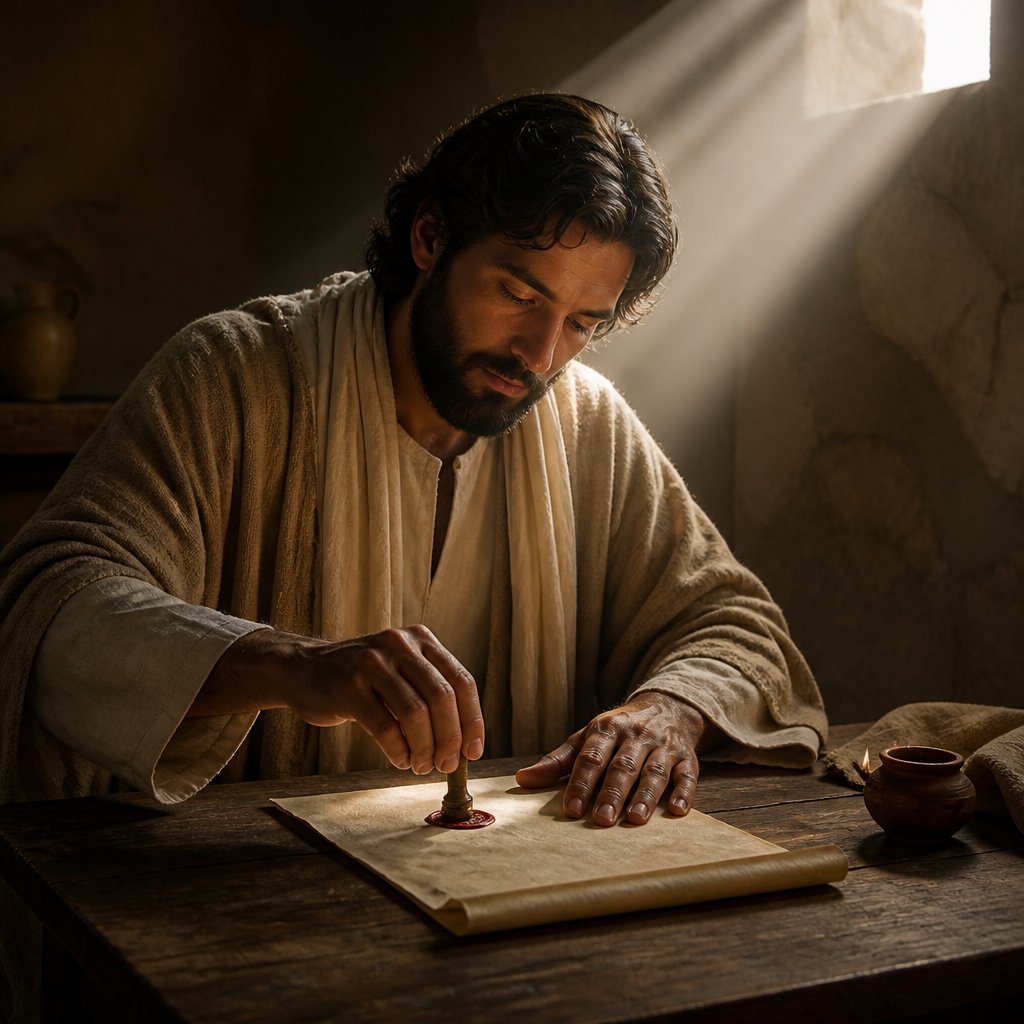
The Gospel of John is often referred to as the book of signs and deeper truth. It invites us into the profound and life-changing understanding of who Jesus is and what He represents. Among these nuggets of wisdom is John 3:33, which reads, "He that hath received his testimony hath set to his seal that God is true." This scripture carries significant weight in our walk of faith, prompting us to reflect on the meaning of God’s truth and how we respond to it.
At first glance, this verse encapsulates a pivotal truth—our response to Jesus’ testimony is a direct declaration of our faith in the character and credibility of God. To receive His testimony means more than simply acknowledging Jesus’ words; it implies a deeply transformative acceptance and belief. Just as a seal affirms the authenticity and validity of a document, our acceptance of Christ’s message testifies to our belief in the integrity of God. In a world filled with skepticism, this calls us to examine our own hearts: Have we genuinely received His testimony?
John’s account emphasizes the importance of knowing Jesus intimately. His testimony includes not only words but the entirety of His life—His actions, His miracles, and ultimately, His sacrifice. When we set to our seal that God is true, we are bearing witness to the reliability of His character and the veracity of His promises. But what does it mean for us today to set our seal?
To set our seal means we commit ourselves to act on our belief. It involves a profound declaration that commits us to the truths we have received. The act of sealing something is final and unchangeable—it signifies assurance and certainty. In the same way, when we accept the testimony of Christ, we are making an irrevocable choice to trust in God’s truth despite the difficulties life may present. This is not a passive act; it requires a response in our thoughts, behaviors, and decisions.
Consider the Apostle John’s audience—people caught between the old traditions of Judaism and the new revelation of Christ. John conveyed that accepting Jesus’ testimony was pivotal in understanding not just who Jesus was, but also the very essence of God Himself. The truthfulness of God’s nature is woven into every facet of our faith. As we align ourselves with this truth, we reflect who God is to the world around us.
Taking it further, being a bearer of this seal challenges us to live as testimonies of God’s truth in our communities. The integrity of our lives must reflect the authenticity of God, showing others that when we say God is true, we mean it deeply. This commitment changes how we respond to trials and how we love others, allowing us to extend grace just as we have received grace—a testament to the truth we believe.
Nonetheless, doubt is a common struggle. Often, we may feel overwhelmed with questions that shake us to our core. Yet, acknowledging our doubts rather than denying them is an essential part of our faith journey. As before, receiving Christ’s testimony is an act of faith, and faith is cultivated in the tension between belief and doubt. When we set our seal, we are saying to God, "I trust You to be true even when I can’t see it fully."
In conclusion, John 3:33 serves as a reminder of the unwavering truth of God. It calls us to actively engage with the testimony of Christ, setting our seal not only to ourselves but also radiating this truth to the world. Reflect on your relationship with Jesus. Have you truly received His testimony? Are your responses today affirmations of His truth in your life? Let us strive to be people who live as evidence of the truth that God is indeed true, sealing our faith and reflecting His glory.
Get our apps


Artwork for John 3:33

John 3:33 - "He that hath received his testimony hath set to his seal that God is true."
"He that hath received his testimony hath set to his seal that God is true." - John 3:33

John 3:3

John 3:3-8

1 John 3:3 - "And every man that hath this hope in him purifieth himself, even as he is pure."

John 16:33

John 16:33

John 16:33

John 16:33
John 16:33

John 16:33

John 16 : 33

John 1:33

John 5:33 - "Ye sent unto John, and he bare witness unto the truth."

John 3:3 - "Jesus answered and said unto him, Verily, verily, I say unto thee, Except a man be born again, he cannot see the kingdom of God."

John 9:33 - "If this man were not of God, he could do nothing."

John 12:33 - "This he said, signifying what death he should die."

Jeremiah 33:3

Jeremiah 33:3

"And every man that hath this hope in him purifieth himself, even as he is pure." - 1 John 3:3

John 19:33 - "But when they came to Jesus, and saw that he was dead already, they brake not his legs:"

"Ye sent unto John, and he bare witness unto the truth." - John 5:33

Mark 14:33 - "And he taketh with him Peter and James and John, and began to be sore amazed, and to be very heavy;"

Ezekiel 33:3-9

John 4:33 - "Therefore said the disciples one to another, Hath any man brought him ought to eat?"

John 6:33 - "For the bread of God is he which cometh down from heaven, and giveth life unto the world."

John 18:33 - "Then Pilate entered into the judgment hall again, and called Jesus, and said unto him, Art thou the King of the Jews?"

Luke 7:33 - "For John the Baptist came neither eating bread nor drinking wine; and ye say, He hath a devil."

John 3:24 - "For John was not yet cast into prison."

Numbers 3:33 - "¶ Of Merari was the family of the Mahlites, and the family of the Mushites: these are the families of Merari."