The Truth That Sets Us Free
"The woman answered and said, I have no husband. Jesus said unto her, Thou hast well said, I have no husband:" - John 4:17
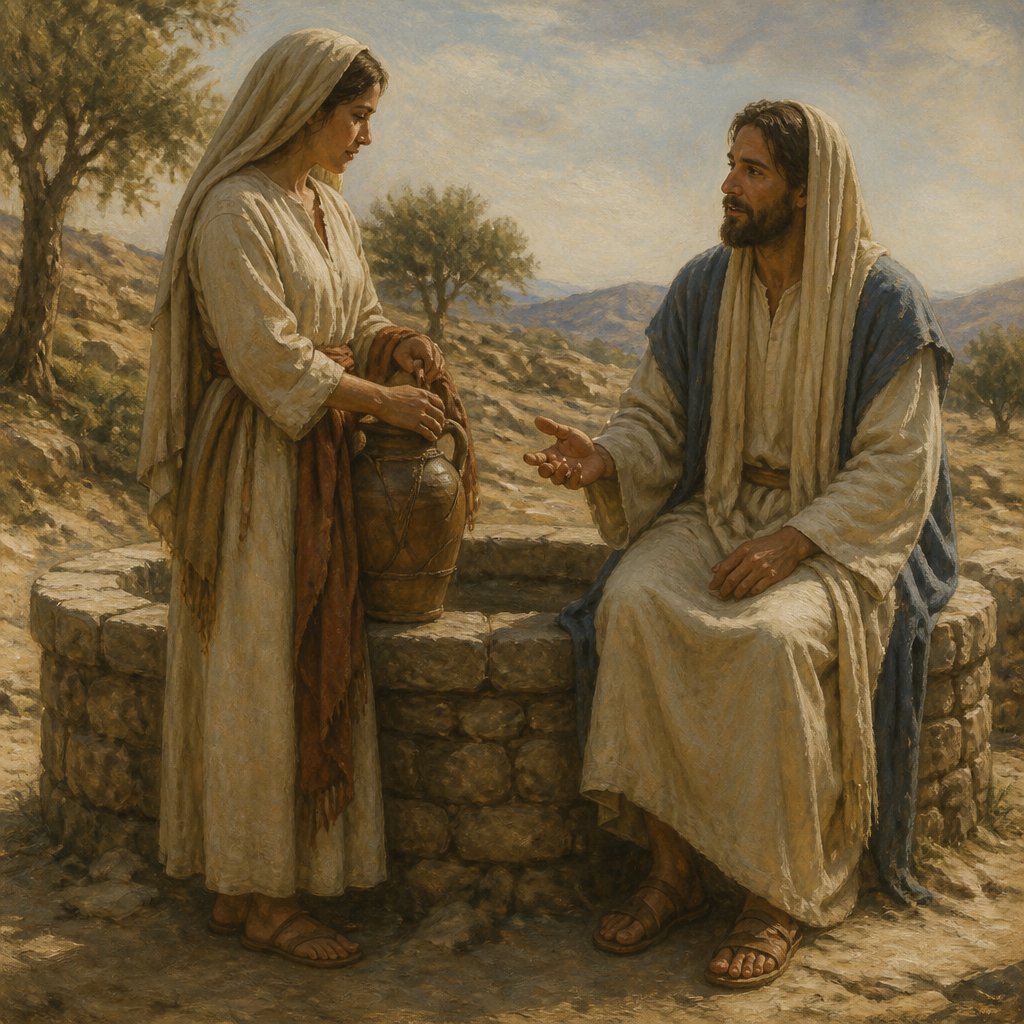
In the Gospel of John, chapter four, we encounter a profound and transformative interaction between Jesus and a Samaritan woman at Jacob's well. The verse we focus on today, John 4:17, presents a moment filled with honesty, revelation, and grace. The woman states, "I have no husband," to which Jesus replies, "Thou hast well said, I have no husband." This brief exchange is filled with deep implications about truth, identity, and the healing power of acknowledgment in our spiritual journeys.
This scenario occurs during a time when Jesus breaks through social and cultural barriers that would typically separate Him from the Samaritan people, particularly women. Samaritans were despised by the Jews, and as a rabbi, it was indeed unusual for a man to engage in conversation with a woman in public. Yet, Jesus chooses this moment deliberately, demonstrating that His mission transcends societal norms and reaches into the hearts of individuals.
When the woman responds with, "I have no husband," it is not merely a statement about her marital status; it is a confession of her reality, a vulnerability unveiled. The truth about her life is that she has had five husbands, and the man she is currently with is not her husband. Jesus, in his prophetic knowledge, highlights her truth without condemnation. He acknowledges her statement and leads her gently towards a more profound understanding of herself and her need for redemption.
This interaction raises essential questions for us as believers: How often do we avoid acknowledging the truth about our lives? Like this woman, we may find ourselves in circumstances where we hide behind facades or untruths, searching for fulfillment in relationships, achievements, or possessions. However, Jesus invites us into the light, where truth flourishes. When He says, "Thou hast well said," He is not just applauding her honesty. He is affirming the importance of recognizing our truth as a first step towards healing and restoration.
Confession can be a difficult journey. The woman likely experienced shame, regret, and perhaps a sense of failure. Yet, it is within the context of this sincere confession that Jesus provides an opportunity for her to experience grace. The Gospel's message is that we are to bring our truths – no matter how painful or shameful – into the light of Christ. When we finally say, "Here is my truth, Lord; I have no husband," we open ourselves up to the transformative power of His love.
In this encounter, Jesus beautifully reflects Romans 8:1, "There is therefore now no condemnation to them which are in Christ Jesus." He meets her where she is and reveals Himself not just as a prophet, but as the living water that quenches our deepest thirst, a thirst she had been attempting to satisfy through flawed relationships.
Furthermore, this passage illustrates the broader biblical theme that God desires honesty and transparency from His children. Psalm 51:6 states, "Behold, thou desirest truth in the inward parts: and in the hidden part thou shalt make me to know wisdom." The Lord desires for us to acknowledge our struggles and current situations because He is prepared to offer us wisdom, healing, and an unending source of life.
As we meditate on John 4:17, let us ask ourselves: What parts of our life do we hesitate to bring before God? Are there relationships, habits, or disappointments that we prefer to keep hidden? Jesus is not just asking for our acknowledgment of sin, but rather an invitation to enter into authentic relationship with Him. Like the Samaritan woman, may we find courage in truth-telling and discover that in our vulnerabilities, He is waiting to reveal His grace, transforming our lives forever.
Want to reflect more on John 4:17?
Continue your spiritual journey with Bible Chat — an AI-powered tool for exploring God's Word through conversation. Ask questions, discover connections, and deepen your understanding.
Get Our Apps


John 4:17 Artwork

John 4:17 - "The woman answered and said, I have no husband. Jesus said unto her, Thou hast well said, I have no husband:"

1 John 4:17 - "Herein is our love made perfect, that we may have boldness in the day of judgment: because as he is, so are we in this world."
"The woman answered and said, I have no husband. Jesus said unto her, Thou hast well said, I have no husband:" - John 4:17

"Herein is our love made perfect, that we may have boldness in the day of judgment: because as he is, so are we in this world." - 1 John 4:17

John 17:4 - "I have glorified thee on the earth: I have finished the work which thou gavest me to do."

John 7:17-18

John 7:17-18

John 7:17-18

John 7:17-18

John 17:17 - "Sanctify them through thy truth: thy word is truth."

John 1:17

John 21:17

John 1:17

John 1:17

"I have glorified thee on the earth: I have finished the work which thou gavest me to do." - John 17:4

John 14:16-17

John 17:16 - "They are not of the world, even as I am not of the world."

John 4:4 - "And he must needs go through Samaria."

1 John 5:17 - "All unrighteousness is sin: and there is a sin not unto death."

John 4:16

John 3:4

John 4:16

John 4:16

John 4:16

John 4:16

John 15:17 - "These things I command you, that ye love one another."

Matthew 17:13 - "Then the disciples understood that he spake unto them of John the Baptist."
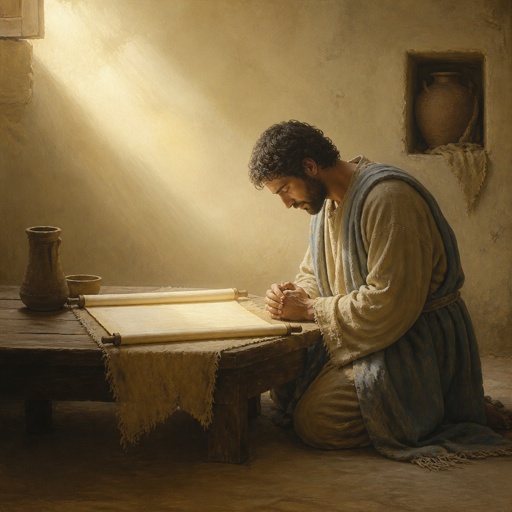
"Sanctify them through thy truth: thy word is truth." - John 17:17

John 13:17 - "If ye know these things, happy are ye if ye do them."

John 1:17 - "For the law was given by Moses, but grace and truth came by Jesus Christ."