A Faithful Hour: The Power of Belief
“So the father knew that it was at the same hour, in the which Jesus said unto him, Thy son liveth: and himself believed, and his whole house.” — John 4:53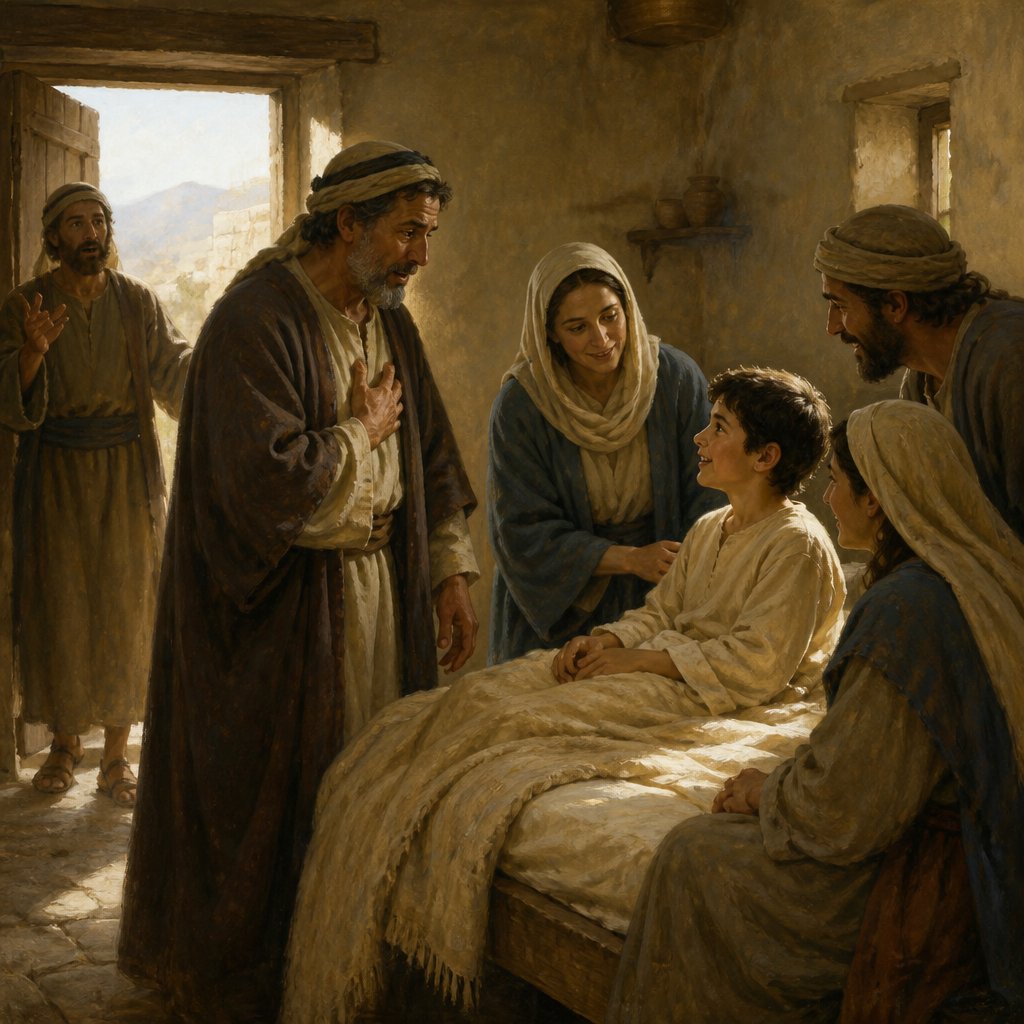
In the Gospel of John, chapter 4 verse 53 we read, "So the father knew that it was at the same hour, in the which Jesus said unto him, Thy son liveth: and himself believed, and his whole house." This single verse encapsulates not only a miraculous healing but also the profound impact of belief and the transformative power of Jesus's word.
At the heart of this narrative is a desperate father whose son is on the brink of death. The father approaches Jesus, pleading for the life of his child. He is an official, likely accustomed to making demands, yet here he is, humbly seeking help. His societal position matters little when faced with the imminent loss of his beloved son. This moment of vulnerability resonates with anyone who has experienced anguish and helplessness, reminding us that in our most desperate times, we too must reach out for divine intervention.
Jesus’s response to the father’s plea is compelling. Without a physical presence, He simply states, "Thy son liveth." It's a statement of faith, one that may have initially seemed impossible given the father’s dire circumstances. But this is where the beauty of faith enters the narrative. For what Jesus commands, He fulfills. The father chooses to believe in the word of Christ, the supreme authority over life and death.
Notice the transition in the father’s heart. It is one thing to seek a miracle; it is another to believe when the miracle has not yet been realized. The official does not receive physical proof of his son’s healing in the moment; rather, he rests his trust in Jesus’s word. This is the essence of faith—believing in what we cannot see and holding onto promises that are anchored in the character and power of God.
As the story unfolds, we discover that indeed, at the very hour Jesus spoke, the son was healed. The father, upon learning this truth, now not only believes for himself but also brings his entire household to faith. This is a critical point of reflection: our belief can inspire and lead others to faith. When we experience the hand of God in our lives, the ripple effects of our faith can extend into our families and circles of influence.
The remark that the father "himself believed, and his whole house" signifies the power of testimony. The father's faith moves beyond a singular healing; it becomes a shared experience of faith with those around him. His belief becomes a catalyst for transformation, showing us that when we respond to God’s calls in faith, we forge pathways for others to encounter the same faith.
This divine encounter emphasizes that faith is not merely a personal endeavor; it is communal. It reminds us that our belief can open doors for others. We have a responsibility to live out our faith boldly, to share our testimony, and to invite others into the experience of salvation. In a world filled with despair, doubt, and uncertainty, the story of this father serves as a beacon of hope. In every trial, we can approach Jesus with our burdens, knowing He is able and willing to meet our needs.
As we contemplate this truth, let us ask ourselves: What spoken promises of God are we clinging to today? Are we like the father, willing to step out in faith even amidst uncertainty? Let us remember that every hour of our day, Christ's words hold power; they have the ability to heal, restore, and bring life. With each prayer, we embrace the promise that's given, "Thy son liveth," and echo it through our homes, our hearts, our communities, declaring the truth of God's goodness, mercy, and love.
Get our apps


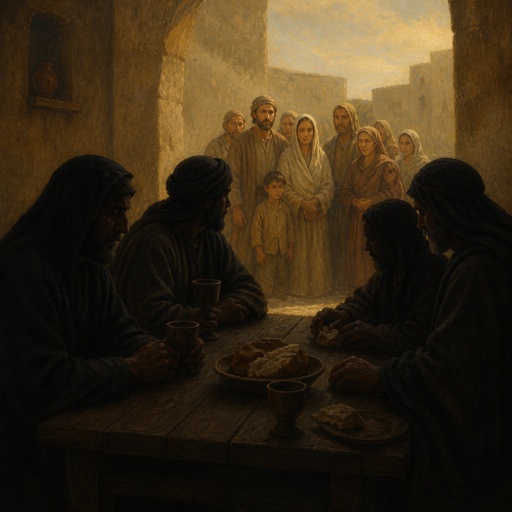
Artwork for John 4:53

John 4:53 - "So the father knew that it was at the same hour, in the which Jesus said unto him, Thy son liveth: and himself believed, and his whole house."
"So the father knew that it was at the same hour, in the which Jesus said unto him, Thy son liveth: and himself believed, and his whole house." - John 4:53

John 7:53 - "And every man went unto his own house."

John 11:53 - "Then from that day forth they took counsel together for to put him to death."
John 8:53 - "Art thou greater than our father Abraham, which is dead? and the prophets are dead: whom makest thou thyself?"

"And every man went unto his own house." - John 7:53

"Then from that day forth they took counsel together for to put him to death." - John 11:53

Psalms 53:4 - "Have the workers of iniquity no knowledge? who eat up my people as they eat bread: they have not called upon God."

Isaiah 53:4 - "¶ Surely he hath borne our griefs, and carried our sorrows: yet we did esteem him stricken, smitten of God, and afflicted."
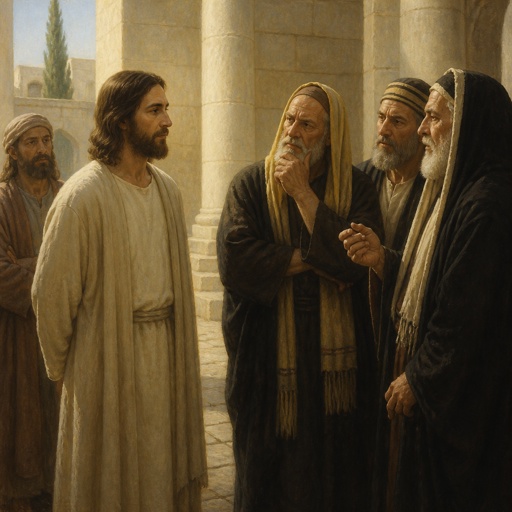
"Art thou greater than our father Abraham, which is dead? and the prophets are dead: whom makest thou thyself?" - John 8:53

John 4:4 - "And he must needs go through Samaria."
"Have the workers of iniquity no knowledge? who eat up my people as they eat bread: they have not called upon God." - Psalms 53:4

John 4:16

John 3:4

John 4:16

John 4:16

John 4:16

John 4:16

John 4:16

John 4:16

John 4:16

John 3:4

John 4:16

John 4:16

John 4:16

John 4:16

John 4:16

John 4:16

John 3:4

John 4:16