Breaking Barriers: Jesus and the Samaritan Woman
“Then saith the woman of Samaria unto him, How is it that thou, being a Jew, askest drink of me, which am a woman of Samaria? for the Jews have no dealings with the Samaritans.” — John 4:9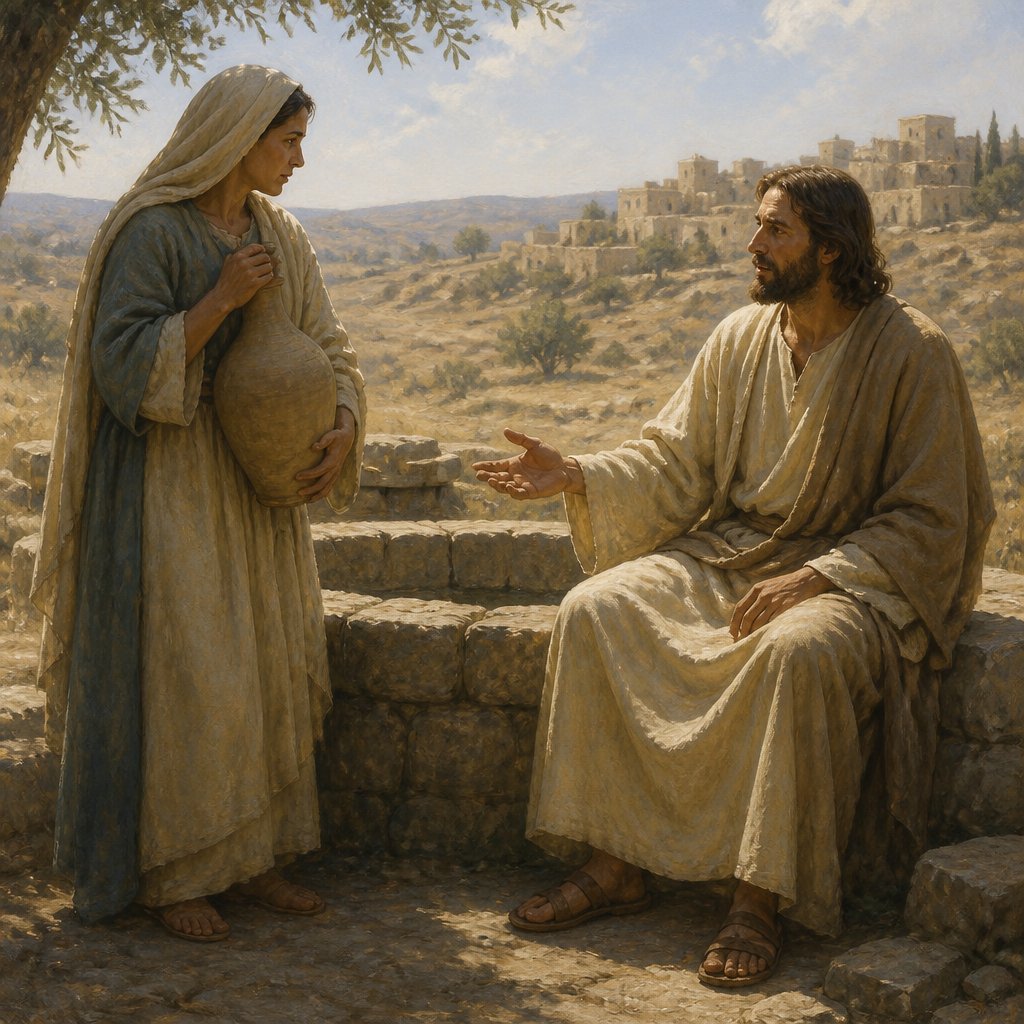
In John 4:9, we encounter a profound moment that transcends cultural boundaries and societal norms: "Then saith the woman of Samaria unto him, How is it that thou, being a Jew, askest drink of me, which am a woman of Samaria? for the Jews have no dealings with the Samaritans." This verse sets the stage for one of the most impactful conversations recorded in the Gospels, highlighting the radical nature of Jesus's ministry and the expansive love of God.
To fully appreciate the significance of this encounter, we must first understand the historical context surrounding Samaritan and Jewish relationships. For centuries, Jews and Samaritans were estranged communities. This animosity stemmed from deep-seated ethnic and religious differences, originating from the Assyrian conquest of Israel in 722 BC, which led to the mixing of worship and customs. Jewish people observed strict laws to maintain their purity and often considered Samaritans as unclean, both ethnically and spiritually. By asking the Samaritan woman for a drink, Jesus was not just crossing cultural boundaries; He was actively dismantling barriers that divided people based on race, gender, and religious standing.
The woman’s response reflects her astonishment at Jesus’s request. It echoes the contradictions of society—the expected norms that dictate how individuals should interact based on their backgrounds. As a woman of Samaria, she was deemed inferior by the societal standards of Jewish men. Yet, here was a Jewish man not only engaging her in conversation but asking something as personal and intimate as a drink of water. His request symbolizes a transformation in how we are to perceive and relate to one another, challenging us to move beyond preconceived notions.
This significant moment speaks to our present realities as well. In today’s world, we still encounter barriers that separate us—race, gender, social class, and ideology can often dictate our interactions. But Jesus exemplifies how to penetrate these divides with love and humility. He teaches us that the call of the Gospel is not to preserve the status quo or uphold the societal hierarchies but to actively reach out to those who are marginalized, excluded, or deemed unworthy.
Moreover, this passage invites us to reflect on our own identities and relationships. Do we, like the woman at the well, find ourselves on the periphery of acceptance? Do we identify with her feelings of doubt about our worth, especially in light of society’s biases? Our worth is not defined by where we come from, our gender, or the labels placed upon us, but by the incredible value that God sees in us. Jesus's willingness to speak to the woman symbolizes that God eagerly desires relationship with everyone, regardless of their background or past.
At a deeper level, this interaction is not merely about water but about the living water Jesus offers, which satisfies the deepest longings of the human soul—hope, love, and eternal life. Jesus saw the woman’s need, not her status. He was prepared to offer her something far more profound than a drink: He was ready to give her an encounter with grace and redemption that would transform her life. The Samaritan woman would later be the catalyst for the spread of the Gospel in her community, demonstrating that God can use anyone, from anywhere, to fulfill His purpose.
As we meditate on John 4:9, let us be inspired to break down barriers in our own lives. May we extend a hand of friendship to those different from us, and embrace the divine nature of inclusivity taught by Jesus. Let us ask whether we are welcoming with open hearts those who find themselves in the same marginalized positions as the woman at the well. In doing so, we embody the love of Christ, demonstrating that through Him, all are invited to partake in the living water, the true source of life.
Get our apps


Artwork for John 4:9

1 John 4:9 - "In this was manifested the love of God toward us, because that God sent his only begotten Son into the world, that we might live through him."

John 4:9 - "Then saith the woman of Samaria unto him, How is it that thou, being a Jew, askest drink of me, which am a woman of Samaria? for the Jews have no dealings with the Samaritans."

"In this was manifested the love of God toward us, because that God sent his only begotten Son into the world, that we might live through him." - 1 John 4:9

1 John 4:9-10 - "In this was manifested the love of God toward us, because that God sent his only begotten Son into the world, that we might live through him. Herein is love, not that we loved God, but that he loved us, and sent his Son to be the propitiation for our sins."

John 4:9-10 - "Then saith the woman of Samaria unto him, How is it that thou, being a Jew, askest drink of me, which am a woman of Samaria? for the Jews have no dealings with the Samaritans. Jesus answered and said unto her, If thou knewest the gift of God, and who it is that saith to thee, Give me to drink; thou wouldest have asked of him, and he would have given thee living water."

1 John 4:9-11 - "This is how God showed his love among us: He sent his one and only Son into the world that we might live through him. This is love: not that we loved God, but that he loved us and sent his Son as an atoning sacrifice for our sins. Dear friends, since God so loved us, we also ought to love one another."
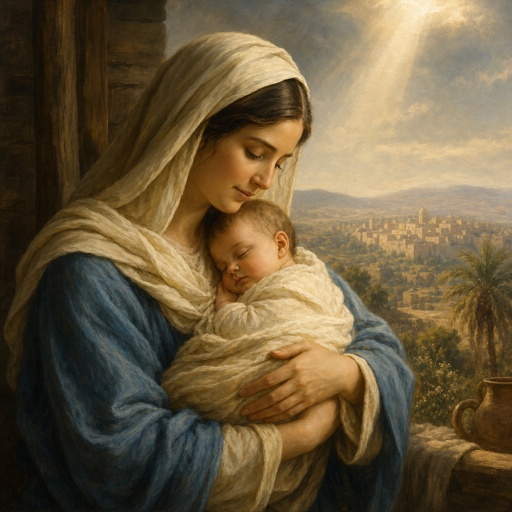
"In this was manifested the love of God toward us, because that God sent his only begotten Son into the world, that we might live through him." - 1 John 4:9
"Then saith the woman of Samaria unto him, How is it that thou, being a Jew, askest drink of me, which am a woman of Samaria? for the Jews have no dealings with the Samaritans." - John 4:9
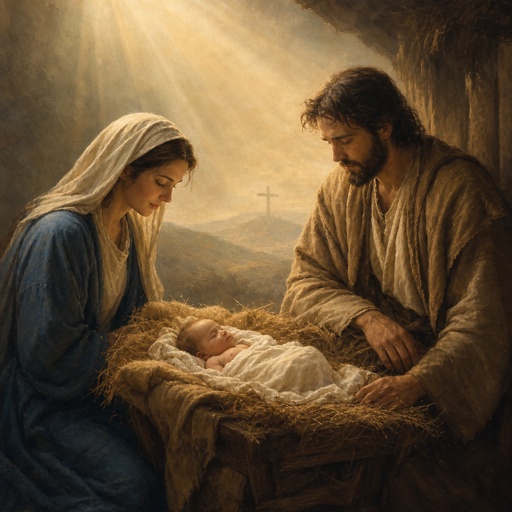
"In this was manifested the love of God toward us, because that God sent his only begotten Son into the world, that we might live through him. Herein is love, not that we loved God, but that he loved us, and sent his Son to be the propitiation for our sins." - 1 John 4:9-10
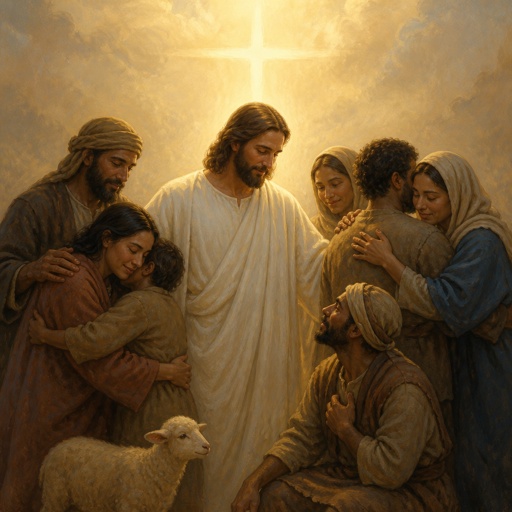
"This is how God showed his love among us: He sent his one and only Son into the world that we might live through him. This is love: not that we loved God, but that he loved us and sent his Son as an atoning sacrifice for our sins. Dear friends, since God so loved us, we also ought to love one another." - 1 John 4:9-11
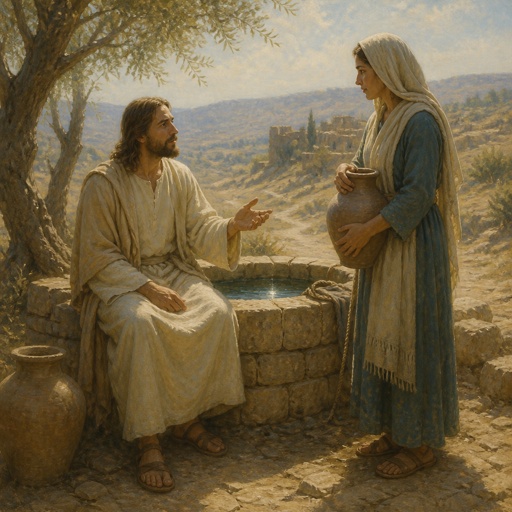
"Then saith the woman of Samaria unto him, How is it that thou, being a Jew, askest drink of me, which am a woman of Samaria? for the Jews have no dealings with the Samaritans. Jesus answered and said unto her, If thou knewest the gift of God, and who it is that saith to thee, Give me to drink; thou wouldest have asked of him, and he would have given thee living water." - John 4:9-10

John 13:4-9

John 9:4 - "I must work the works of him that sent me, while it is day: the night cometh, when no man can work."

john 21:9
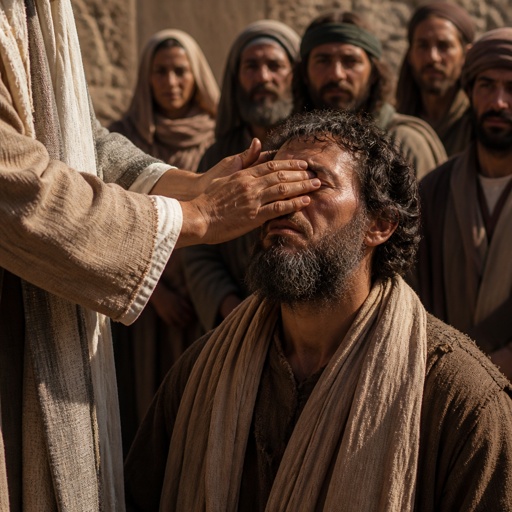
John 9:10

John 10:9

John 10:9

John 10:9

1 John 4:8-9 - "Whoever does not love does not know God, because God is love. This is how God showed his love among us: He sent his one and only Son into the world that we might live through him."

John 4:4 - "And he must needs go through Samaria."

John 6:8-9

John 9:1-3

John 9:1-41

1 John 1:9

John 4:16

John 3:4

John 4:16

John 4:16

John 4:16

John 4:16