The Living Water: Breaking Barriers and Offering Grace
“Then saith the woman of Samaria unto him, How is it that thou, being a Jew, askest drink of me, which am a woman of Samaria? for the Jews have no dealings with the Samaritans. Jesus answered and said unto her, If thou knewest the gift of God, and who it is that saith to thee, Give me to drink; thou wouldest have asked of him, and he would have given thee living water.” — John 4:9-10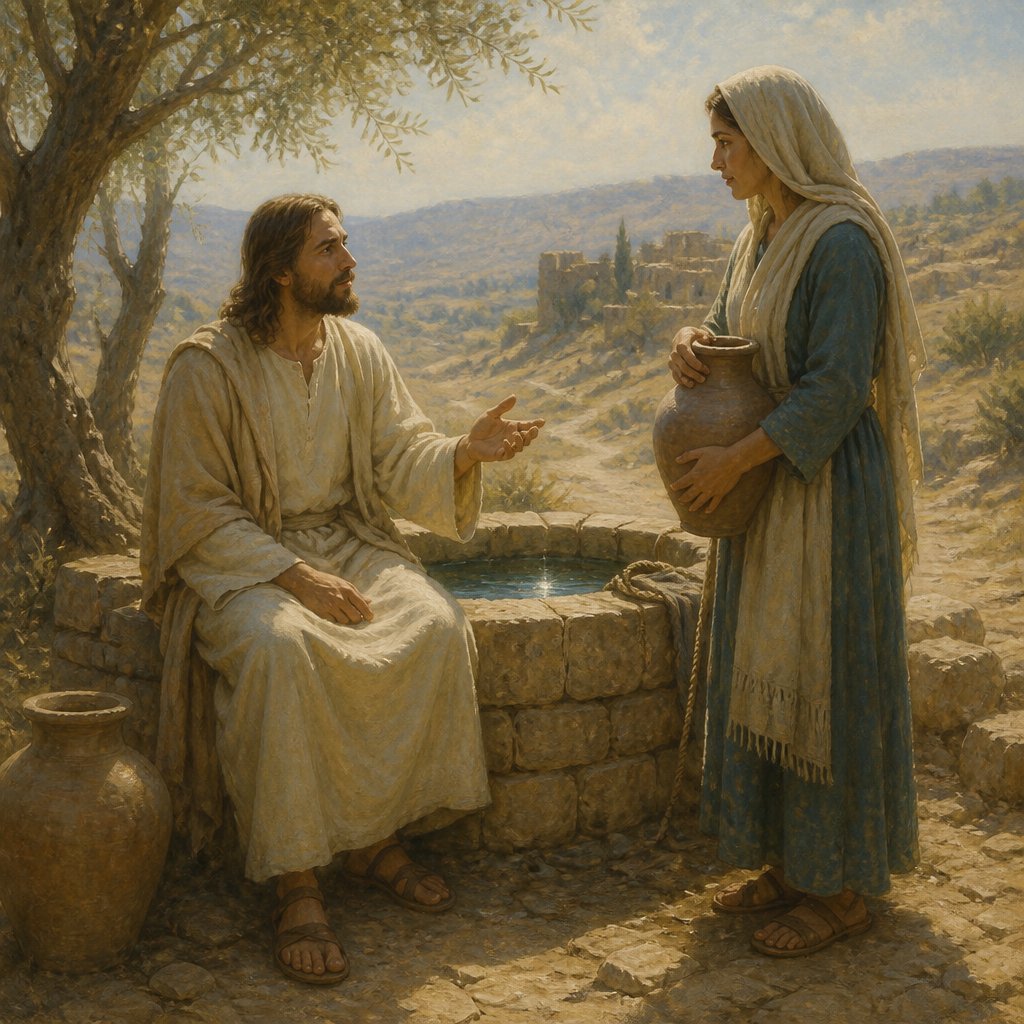
In the tranquil setting of Jacob’s well, a simple encounter unfolds that carries profound implications for our understanding of grace, love, and acceptance. John 4:9-10 introduces us to a Samaritan woman whose identity and culture position her as an outcast, contrasting sharply against the backdrop of Jesus’ Jewish heritage. The words she speaks resonate with deep-seated social barriers: "How is it that thou, being a Jew, askest drink of me, which am a woman of Samaria? for the Jews have no dealings with the Samaritans."
The Gospel writer highlights a moment that challenges ingrained prejudices, illuminating Jesus’ radical inclusivity. To understand this encounter fully, we must appreciate the historical context: Jews and Samaritans had longstanding animosities, dating back centuries due to religious, political, and cultural divisions. This animosity had crystallized into a societal norm, where Jews would often avoid any interactions with Samaritans to avoid defilement. Yet, here stands Jesus—a Jewish male—engaging a Samaritan woman in the middle of the day.
This moment stirs a vital question: Why did Jesus choose to violate these societal norms? The answer lies in His divine mission to bridge gaps and extend grace where there was once division. Jesus' response, "If thou knewest the gift of God, and who it is that saith to thee, Give me to drink; thou wouldest have asked of him, and he would have given thee living water," unveils a deeper spiritual reality that transcends cultural boundaries and personal histories.
The ‘gift of God’ that Jesus mentions is His own presence and the salvation that He brings—a living water that quenches the deepest, most desperate thirst of the human soul. This living water represents more than just temporal satisfaction; it embodies eternal life, fulfillment, and a relationship with God.
When Jesus speaks of living water, He is inviting the woman—as well as all of us—to move beyond superficial understandings of life and satisfaction. In our context, this should prompt us to reflect on what we seek to fill our souls' thirst. We often turn to earthly comforts, social validations, or our own efforts to find acceptance and purpose. Yet, here, Jesus offers something beyond our human endeavors.
Jesus’ offer of living water constitutes a radical gift that challenges us to rethink our situations and interactions with others. Many today, similar to the Samaritan woman, live with burdens of shame, isolation, and regret. The beauty of this story is that regardless of our past, societal judgement, or what we’ve been labeled, Jesus seeks us out where we are and offers us grace.
This woman, intrigued yet puzzled, begins to engage with Jesus, which leads to a transformative conversation about her life and circumstances—an exchange that only the grace of Jesus could provoke. The living water He speaks of is an invitation not just to quench her thirst, but to embark on a journey toward wholeness and restoration.
As followers of Christ, we are called to emulate this radical acceptance further. Our lives should exhibit the same grace and love that Jesus extended. This means reaching out to those who feel marginalized and offering the living water that can quench their thirst for belonging and purpose.
In concluding our meditation on John 4:9-10, let us reflect on the barriers—the social, cultural, and personal—that divide us from one another. Are we open to breaking down these barriers as Jesus did? Are we willing to engage in conversations that lead to transformational encounters?
May we be reminded that the living water available to us is a gift meant to be shared, nourishing not just our souls, but also offering life to those around us. In recognizing the gift of God, may our hearts be inclined to ask Him for living water, and just like the Samaritan woman, may we boldly share His grace with all who thirst for it.
Get our apps


Artwork for John 4:9-10

1 John 4:9-10 - "In this was manifested the love of God toward us, because that God sent his only begotten Son into the world, that we might live through him. Herein is love, not that we loved God, but that he loved us, and sent his Son to be the propitiation for our sins."

John 4:9-10 - "Then saith the woman of Samaria unto him, How is it that thou, being a Jew, askest drink of me, which am a woman of Samaria? for the Jews have no dealings with the Samaritans. Jesus answered and said unto her, If thou knewest the gift of God, and who it is that saith to thee, Give me to drink; thou wouldest have asked of him, and he would have given thee living water."
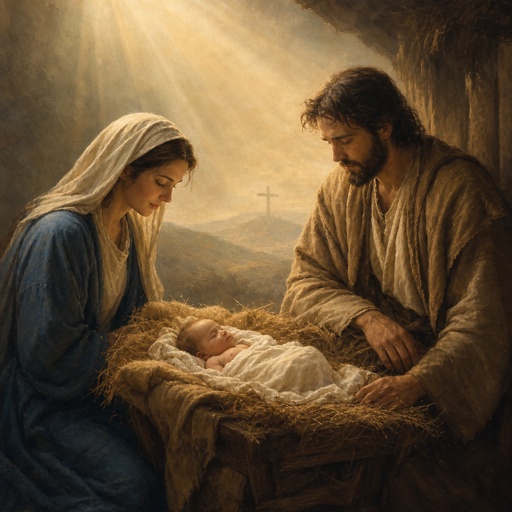
"In this was manifested the love of God toward us, because that God sent his only begotten Son into the world, that we might live through him. Herein is love, not that we loved God, but that he loved us, and sent his Son to be the propitiation for our sins." - 1 John 4:9-10
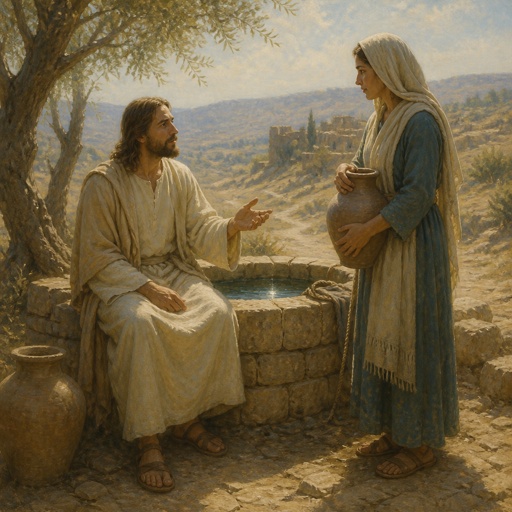
"Then saith the woman of Samaria unto him, How is it that thou, being a Jew, askest drink of me, which am a woman of Samaria? for the Jews have no dealings with the Samaritans. Jesus answered and said unto her, If thou knewest the gift of God, and who it is that saith to thee, Give me to drink; thou wouldest have asked of him, and he would have given thee living water." - John 4:9-10

John 9:10

John 10:9

John 10:9

John 10:9

John 15:9-10

John 15:9-10

John 13:4-9

John 9:10 - "Therefore said they unto him, How were thine eyes opened?"

John 10:9 - "I am the door: by me if any man enter in, he shall be saved, and shall go in and out, and find pasture."

John 9:4 - "I must work the works of him that sent me, while it is day: the night cometh, when no man can work."

1 John 4:9 - "In this was manifested the love of God toward us, because that God sent his only begotten Son into the world, that we might live through him."

1 John 4:10 - "Herein is love, not that we loved God, but that he loved us, and sent his Son to be the propitiation for our sins."

"In this was manifested the love of God toward us, because that God sent his only begotten Son into the world, that we might live through him." - 1 John 4:9

"Two are better than one, because they have a good return for their labor: If either of them falls down, one can help the other up. But pity anyone who falls and has no one to help them up." - Ecclesiastes 4:9-10

John 10:4 - "And when he putteth forth his own sheep, he goeth before them, and the sheep follow him: for they know his voice."
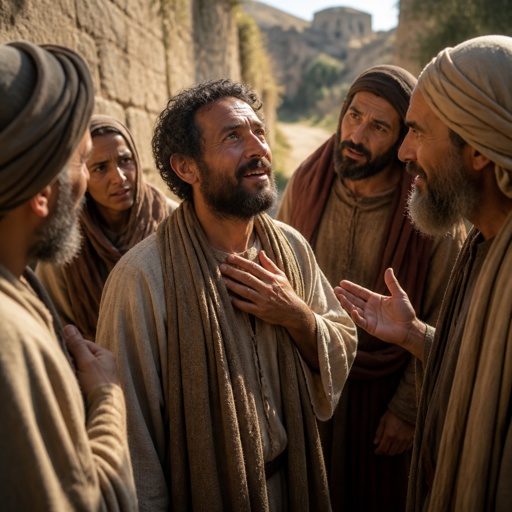
"Therefore said they unto him, How were thine eyes opened?" - John 9:10

John 10:9-10 - "I am the door: by me if any man enter in, he shall be saved, and shall go in and out, and find pasture. The thief cometh not, but for to steal, and to kill, and to destroy: I am come that they might have life, and that they might have it more abundantly."

John 4:9 - "Then saith the woman of Samaria unto him, How is it that thou, being a Jew, askest drink of me, which am a woman of Samaria? for the Jews have no dealings with the Samaritans."

John 10:10

John 10:10

John 10:10

John 10:10

John 10:10

John 10:10

John 10:10

Matthew 10:2-4…Matthew 10:2-4 New International Version 2 These are the names of the twelve apostles: first, Simon (who is called Peter) and his brother Andrew; James son of Zebedee, and his brother John; 3 Philip and Bartholomew; Thomas and Matthew the tax collector; James son of Alphaeus, and Thaddaeus; 4 Simon the Zealot and Judas Iscariot, who betrayed him.