The Cost of Divine Work: Understanding John 5:16-18
"Verse: 16 And therefore did the Jews persecute Jesus, and sought to slay him, because he had done these things on the sabbath day. 17 But Jesus answered them, My Father worketh hitherto, and I work. 18 Therefore the Jews sought the more to kill him, because he not only had broken the sabbath, but said also that God was his Father, making himself equal with God." - John 5:16-18
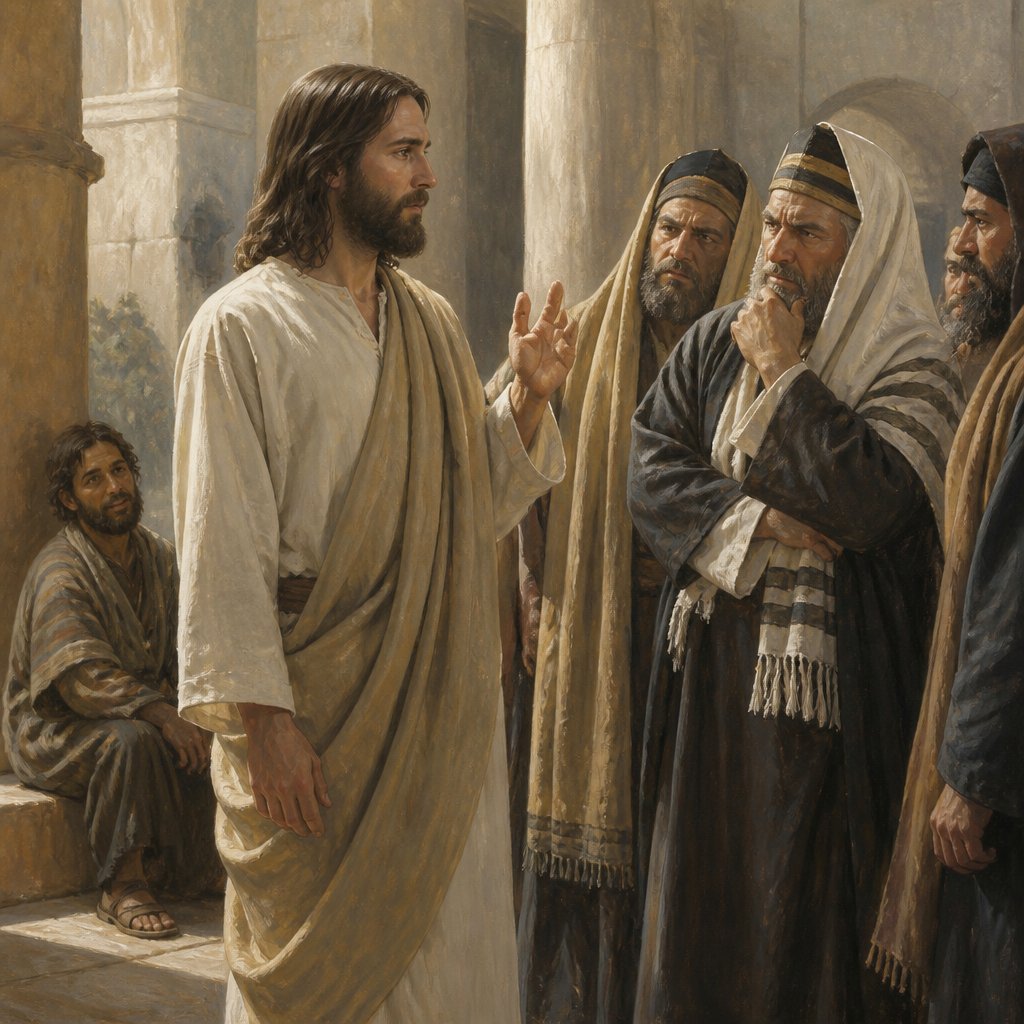
In the Gospel of John, the narrative often thrusts us into deep theological waters, challenging our understanding of the identity of Jesus, the nature of God, and the intent behind religious practices. In John 5:16-18, we encounter a pivotal moment where Jesus reveals not just His authority, but also the profound depth of His relationship with the Father.
**“And therefore did the Jews persecute Jesus, and sought to slay him, because he had done these things on the sabbath day. But Jesus answered them, My Father worketh hitherto, and I work. Therefore the Jews sought the more to kill him, because he not only had broken the sabbath, but said also that God was his Father, making himself equal with God.” (John 5:16-18, KJV)**
In these verses, we see a critical point of contention between Jesus and the Jewish leaders. The act of performing miracles on the Sabbath was perceived as a direct violation of the Mosaic Law, which observed Sabbath rest as a divine commandment. However, Jesus’ assertion that His Father is working and, therefore, He must work too, radically redefines the very essence of Sabbath observance.
Let us first consider the Jews' reaction to Jesus. They had their traditions, customs, and interpretations of the Law, which were intended to preserve holiness and maintain the sanctity of their day of rest. The act of healing on the Sabbath seemed to them an egregious breach. Their commitment to the letter of the law obscured their understanding of its spirit. In giving precedence to tradition over compassion, they sought to quench the very source of life that Jesus was offering.
Jesus, by healing the incapacitated man at the pool of Bethesda, was performing a work of mercy. He was effectively demonstrating that God’s love and grace do not rest in rituals or regulations but flow through acts of kindness, healing, and restoration. Jesus challenges the established norms by asserting the importance of divine work over ceremonial compliance. He makes clear that the Father’s work continues beyond human limitations and rules, and so must His own.
His declaration, “My Father worketh hitherto, and I work,” introduces a revolutionary theology. It posits that the work of God is ongoing—not confined to the Sabbath hours, but is present continually in our lives. These words indicate a profound theological truth: God’s activities in the world are not inhibited by human schedules. This speaks to the heart of our faith; it is one that urges us to engage in what God is doing at all times, rather than placing God in a box defined by human constraints.
Moreover, this statement is not a mere justification for His actions; it is a declaration of divine identity. Jesus’ claim connects Him directly with God, suggesting an intimate relationship and equality that the religious leaders could not afford to accept. To equate Himself with God, particularly in a culture where the honor of God was paramount, was nothing short of blasphemy in their eyes.
The insistence of the Jewish leaders in wanting to kill Jesus is the tragic response of hearts hardened by legalism and fear. Rather than embracing the freedom and healing that Jesus brought, they chose to cling to their traditions. In doing so, they illustrate the struggle within human nature to control and understand God in finite terms.
As modern believers, we must reflect upon this narrative. Are there areas in our faith where we uphold traditions or interpretations at the expense of compassion and love? Are we willing to follow God’s work in our lives, even if it disrupts our understanding of 'normal' or 'acceptable'?
In a world that craves healing, hope, and restoration, let us remember that God is at work, and as His followers, we too are called to participate in that work. Let us not be deterred by the persuasions of legalism but rather emboldened by the love that is encapsulated in the very nature of our Savior. In every act of kindness, every moment of grace, we mirror His essence. May we be attentive to the ways that God is inviting us to 'work' alongside Him, breaking down barriers and redefining rest and connection.”
Want to reflect more on John 5:16-18?
Continue your spiritual journey with Bible Chat — an AI-powered tool for exploring God's Word through conversation. Ask questions, discover connections, and deepen your understanding.
Get Our Apps


John 5:16-18 Artwork

John 5:16-18 - "So, because Jesus was doing these things on the Sabbath, the Jewish leaders began to persecive Him. But Jesus said to them, "My Father is always at His work to this very day, and I too am working." For this reason they tried all the more to kill Him; not only was He breaking the Sabbath, but He was even calling God His own Father, making Himself equal with God."
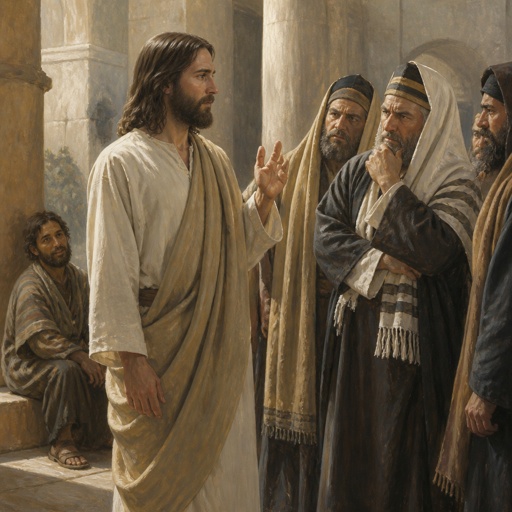
"So, because Jesus was doing these things on the Sabbath, the Jewish leaders began to persecive Him. But Jesus said to them, "My Father is always at His work to this very day, and I too am working." For this reason they tried all the more to kill Him; not only was He breaking the Sabbath, but He was even calling God His own Father, making Himself equal with God." - John 5:16-18

1 John 5:18

John 16:18 - "They said therefore, What is this that he saith, A little while? we cannot tell what he saith."

1 Thessalonians 5:16-18 - "Rejoice always, pray continually, give thanks in all circumstances; for this is God’s will for you in Christ Jesus."

John 5:16 - "And therefore did the Jews persecute Jesus, and sought to slay him, because he had done these things on the sabbath day."

John 16:5 - "But now I go my way to him that sent me; and none of you asketh me, Whither goest thou?"

1 John 5:18 - "We know that whosoever is born of God sinneth not; but he that is begotten of God keepeth himself, and that wicked one toucheth him not."

John 18:16 - "But Peter stood at the door without. Then went out that other disciple, which was known unto the high priest, and spake unto her that kept the door, and brought in Peter."

John 18:5 - "They answered him, Jesus of Nazareth. Jesus saith unto them, I am he. And Judas also, which betrayed him, stood with them."

Juan 5, 1-16

John 5:18 - "Therefore the Jews sought the more to kill him, because he not only had broken the sabbath, but said also that God was his Father, making himself equal with God."
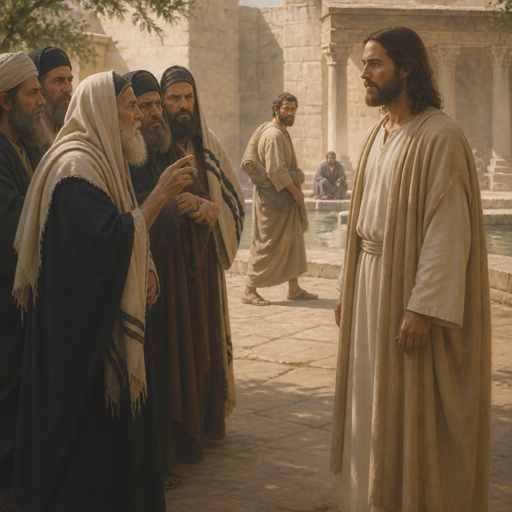
"And therefore did the Jews persecute Jesus, and sought to slay him, because he had done these things on the sabbath day." - John 5:16
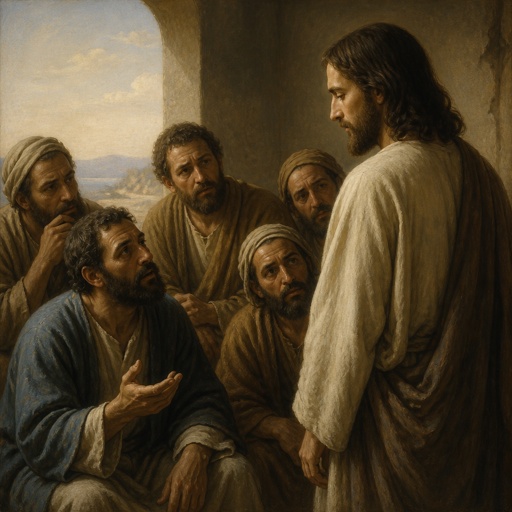
"They said therefore, What is this that he saith, A little while? we cannot tell what he saith." - John 16:18
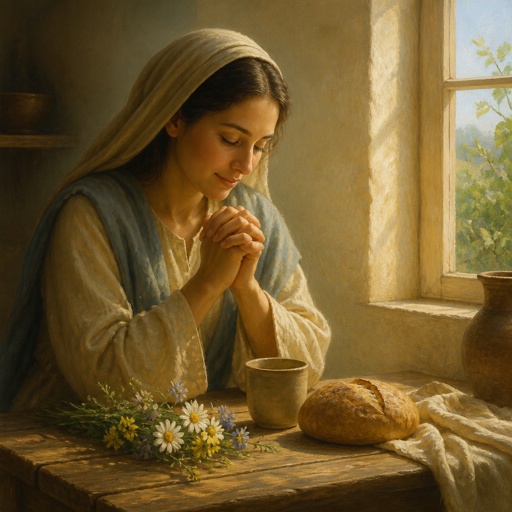
"Rejoice always, pray continually, give thanks in all circumstances; for this is God’s will for you in Christ Jesus." - 1 Thessalonians 5:16-18

John 16:33

John 16:33

John 16:33

John 7:17-18

John 7:17-18

1 John 5:16 - "If any man see his brother sin a sin which is not unto death, he shall ask, and he shall give him life for them that sin not unto death. There is a sin unto death: I do not say that he shall pray for it."

John 7:17-18

John 7:17-18

John 18:25

john 18:36

John 16:33
John 16:33

John 16:33

John 3:16

John 4:16