Waiting by the Water: A Reflection on John 5:3
“In these lay a great multitude of impotent folk, of blind, halt, withered, waiting for the moving of the water.” — John 5:3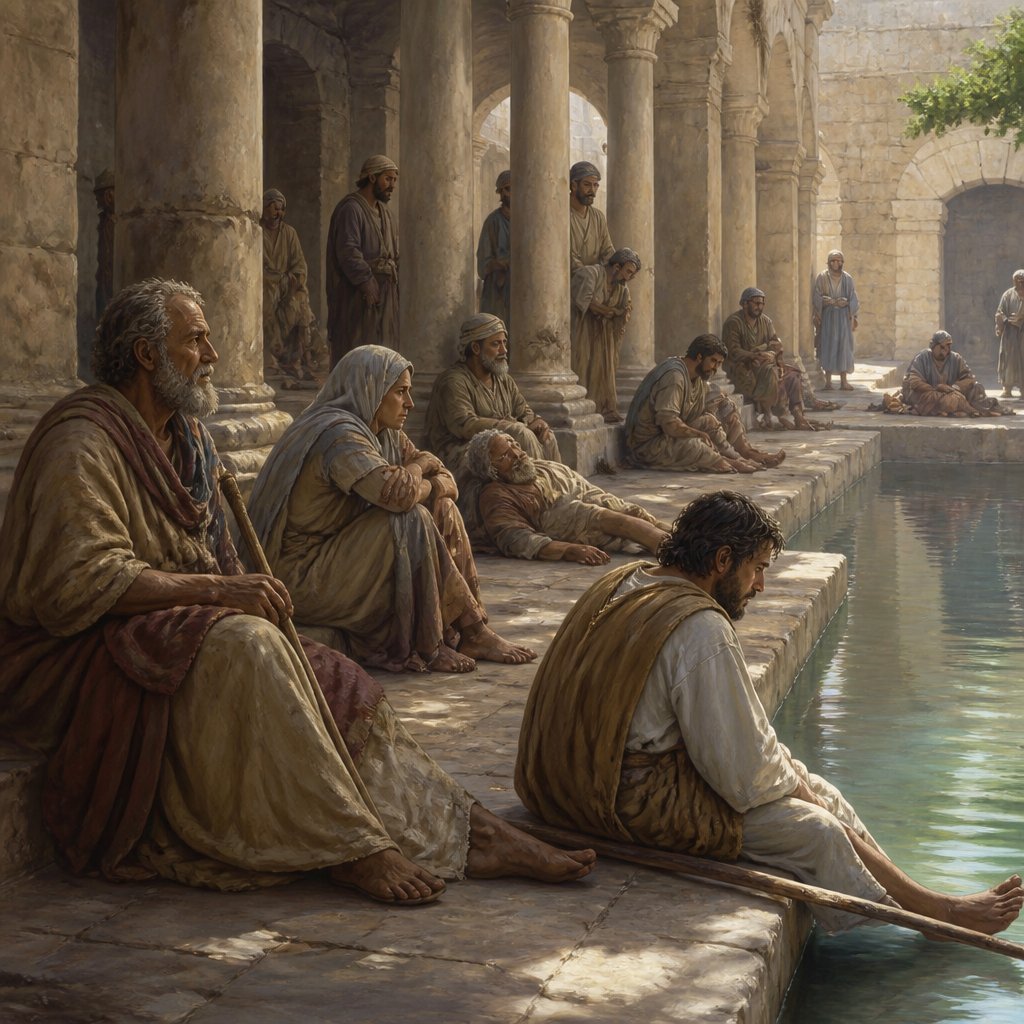
In the heart of the Gospel of John, we are introduced to a powerful scene at the Pool of Bethesda, where a great multitude of afflicted people gathered, laying around a pool in anticipation. John 5:3 states, "In these lay a great multitude of impotent folk, of blind, halt, withered, waiting for the moving of the water." This verse paints a vivid picture of desperation and hope, where the hopes of the sick and afflicted converge upon the possibility of healing.
The term "impotent" describes those who are powerless. This multitude was not mildly inconvenienced; they were deeply and painfully aware of their limitations. It’s essential to reflect on what it means to be impotent. In life, we encounter situations that make us feel powerless—whether it’s dealing with our own health crises, relational breakdowns, financial burdens, or feelings of inadequacy. Each person at the pool had their own story, their own struggle, leading them to this place marked by suffering and longing.
One must ask, why do they wait? They do so because of a belief woven into the fabric of their pain—the belief that the moving of the water brought healing. The stirring of the water was not just a passing moment; it signified a season of divine possibility. In this waiting game, they clung to hope despite their plight. As believers, we might find ourselves waiting by our own metaphorical pools, looking for the stirring of the water—signs of hope, moments of healing, and intervention from God in our lives.
Consider the ones in the crowd: the blind who could not see their own deliverance, the halt who could not walk towards it, and the withered whose vitality had ebbed away. Each one illustrates a dimension of humanity that speaks to all of us. We are often waiting for something tangible—an answer to prayer, a miraculous solution to our problems, a glimpse of light in our darkness.
The Pool of Bethesda is a place where many waited, but it was also a place where healing was available. Jesus approached this pool, seeking out the man who had waited the longest (John 5:5). When He spoke to the man, He asked, "Wilt thou be made whole?" This question is profound and penetrating. It challenges us to consider our own willingness to receive healing. Sometimes, in our waiting, we may grow comfortable in our pain, accustomed to our burdens, and unwilling to step into a new reality. Jesus did not merely offer healing; He required an active response from the man, indicating that our healing requires our cooperation and willingness.
As we reflect on our own lives and the pools we find ourselves by, we must examine our expectations and our readiness. Are we willing to encounter Christ in our waiting? Are we prepared to respond to His call when He prompts us to rise and walk? The multitude waited, but many did not recognize the Healer standing among them. In our times of waiting, let us not overlook Jesus, who is present even when we feel most powerless.
In this Advent season of waiting, let us pray for clarity and strength. May we learn to recognize the nudges of God even in our stillness. Just as the waters stirred, may our hearts stir in expectation of God’s movement in our life. We are called not just to wait but to be actively engaged, knowing that the waiting is not in vain. Let us seek out the living water, the true source of healing, and step boldly into the life that awaits us.
In all our waiting, the promise of Christ is that He can transform our impotent situations into testimonies of His grace. This Christmas, as we reflect on the ultimate gift of salvation through Jesus, let us also remember that our waiting can lead to miraculous action. May our hearts be open, our spirits willing, and our eyes fixed on Jesus, who makes the weary whole.
Get our apps


Artwork for John 5:3

1 John 5:3 - "For this is the love of God, that we keep his commandments: and his commandments are not grievous."

John 5:3 - "In these lay a great multitude of impotent folk, of blind, halt, withered, waiting for the moving of the water."

"For this is the love of God, that we keep his commandments: and his commandments are not grievous." - 1 John 5:3
"In these lay a great multitude of impotent folk, of blind, halt, withered, waiting for the moving of the water." - John 5:3
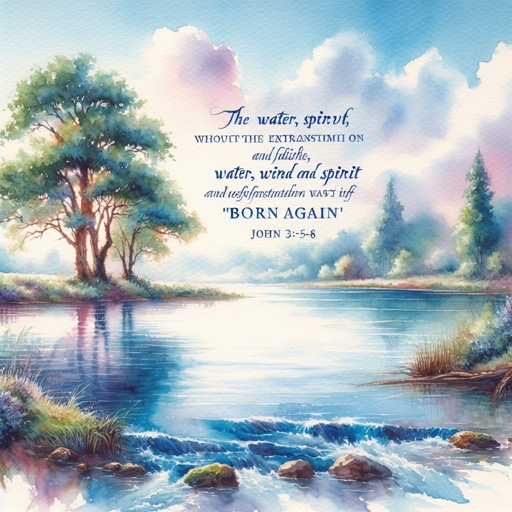
John 3:5-8

John 3:5-8

John 3:5-8

3 John 1:5 - "Beloved, thou doest faithfully whatsoever thou doest to the brethren, and to strangers;"

1 John 3:5 - "And ye know that he was manifested to take away our sins; and in him is no sin."

John 3:5 - "Jesus answered, Verily, verily, I say unto thee, Except a man be born of water and of the Spirit, he cannot enter into the kingdom of God."

"Beloved, thou doest faithfully whatsoever thou doest to the brethren, and to strangers;" - 3 John 1:5

"And ye know that he was manifested to take away our sins; and in him is no sin." - 1 John 3:5

John 3:3

John 3:24 - "For John was not yet cast into prison."

John 3:3-8

John 15:5

John 15:5

John 5:2

John 5:33 - "Ye sent unto John, and he bare witness unto the truth."

John 3

John 5:5 - "And a certain man was there, which had an infirmity thirty and eight years."

1 John 3:1-3

John 5:28

John 5:28

John 5:28

1 John 5:5 - "Who is he that overcometh the world, but he that believeth that Jesus is the Son of God?"

John 3:16

John 1:1-5

John 1:1-5
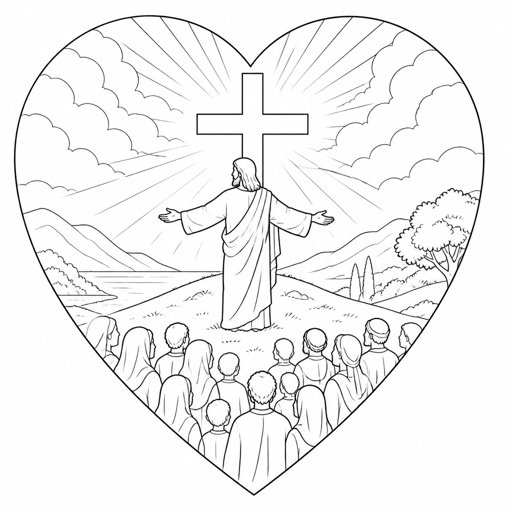
John 3:16