The Refuge of Solitude: Finding Strength in Obscurity
"When Jesus therefore perceived that they would come and take him by force, to make him a king, he departed again into a mountain himself alone." - John 6:15
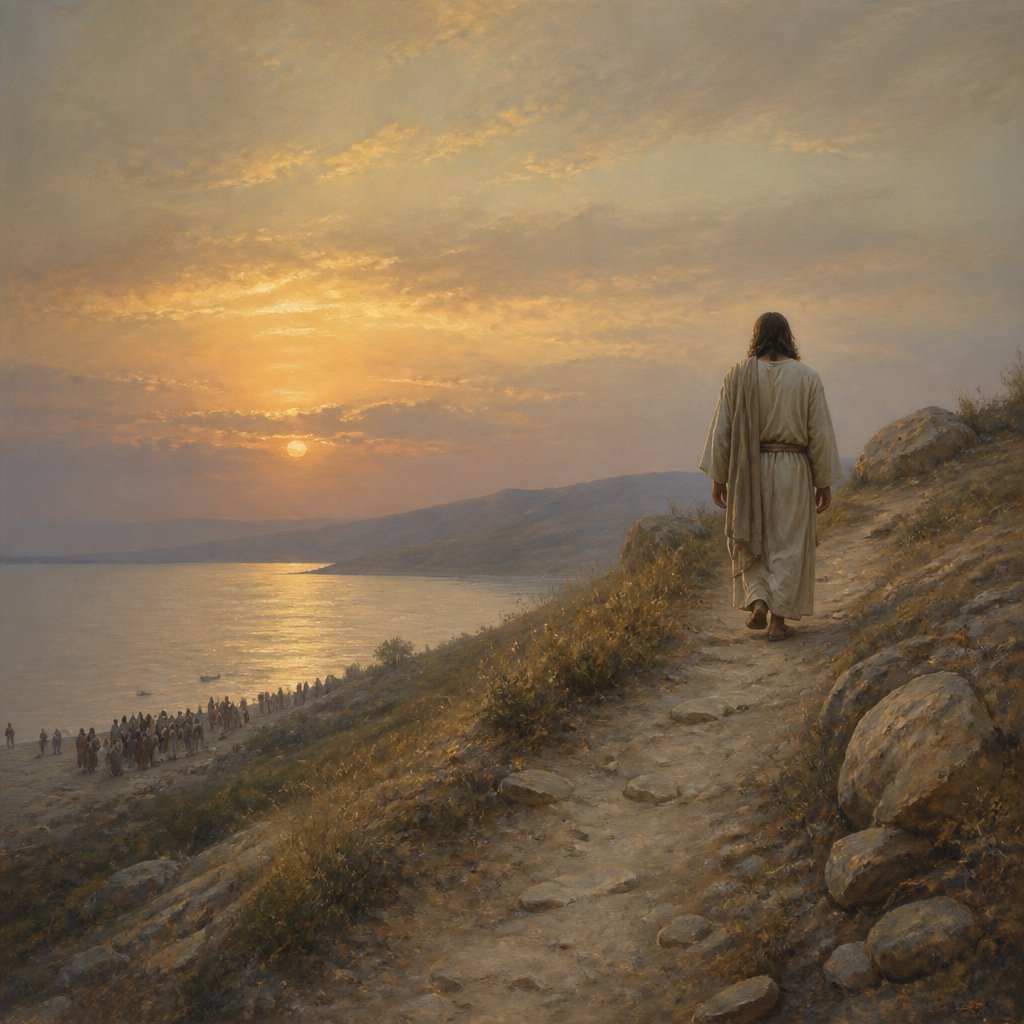
In the wilderness of the human experience, when confronted with the fervor of admiration and misplaced expectations, one may draw great insight from the words of John 6:15 (KJV): "When Jesus therefore perceived that they would come and take him by force, to make him a king, he departed again into a mountain himself alone."
This moment in the Gospel of John reveals a profound truth about the nature of Christ and his mission. In the eyes of the multitude, Jesus was a miraculous provider and healer; he had just fed the five thousand, and the people were eager for more. Their enthusiasm was not solely for the spiritual truths he embodied but also for the immediate satisfaction of their earthly desires. They saw in him a political savior, someone who could liberate them from Roman oppression and restore a glorious kingdom. However, this expectation was misaligned with the true purpose of Jesus's mission.
In recognizing their intentions, Jesus demonstrates his divine awareness. He perceives not just the external actions and words of the crowd, but the deeper motives of their hearts. There is a lesson for us here: Jesus warns us against the dangers of allowing popular opinion to dictate our lives. It is all too easy to be seduced by the fleeting applause of the crowd, to conform to the desires of others, and to forsake our own calling in exchange for immediate recognition or acclaim. Jesus’s retreat into solitude serves as a powerful declaration that true devotion is found in obedience to God’s plan, rather than human desires.
Solitude is often viewed as a daunting or lonely place, yet it is in these quiet moments that God can speak most clearly to our hearts. Jesus withdrew to spend time with His Father, a theme that resonates throughout the Gospels. When faced with pivotal decisions or overwhelming circumstances, Jesus often retreated to pray — to gain clarity and strength from the Father. In our modern age, filled with chaotic stimuli and unrelenting noise, how often do we seek this necessary solitude? In a world that praises busyness and productivity, we must reflect on the necessity of stepping back, finding our mountain, and laying aside our burdens before God.
The act of departing into the mountain did not signify abandonment; rather, it underscored Jesus’s commitment to his divine mission over human ambition. In solitude, we can confront our intentions and desires in the light of God’s purpose. It is here that we can assess our motivations, aligning them with His will. Are we seeking glory for ourselves, or are we seeking to glorify Him? Are we pursuing political salvation or a spiritual transformation? Jesus’s example of withdrawing to pray reminds us that our commitment to God’s mission may require us to resist the allure of earthly kingdoms.
Moreover, this passage reminds us of the necessity of solitude in cultivating our faith. When we find ourselves overwhelmed by the expectations of others, it can be a cue to retreat and reconnect with our Creator. In John 6:15, we see not just the humanity of Jesus seeking solace but a divine model for our spiritual health.
In conclusion, let us learn from the actions of our Savior. In the face of external pressures, we are encouraged to step back, find our own mountains of solitude, and engage in deep communion with God. Let us make space for silence and quiet our hearts to hear His voice above the cacophony of worldly demands. In those tranquil moments, we will find our true identity and calling. Like Jesus, let us prioritize the mission of the Kingdom over the fleeting crowns of this world. May we emerge from our mountains, not as those seeking to conquer human kingdoms, but as faithful servants charged with the task of fostering a heavenly one.
Want to reflect more on John 6:15?
Continue your spiritual journey with Bible Chat — an AI-powered tool for exploring God's Word through conversation. Ask questions, discover connections, and deepen your understanding.
Get Our Apps


John 6:15 Artwork

John 6:15 - "¶ When Jesus therefore perceived that they would come and take him by force, to make him a king, he departed again into a mountain himself alone."
"¶ When Jesus therefore perceived that they would come and take him by force, to make him a king, he departed again into a mountain himself alone." - John 6:15
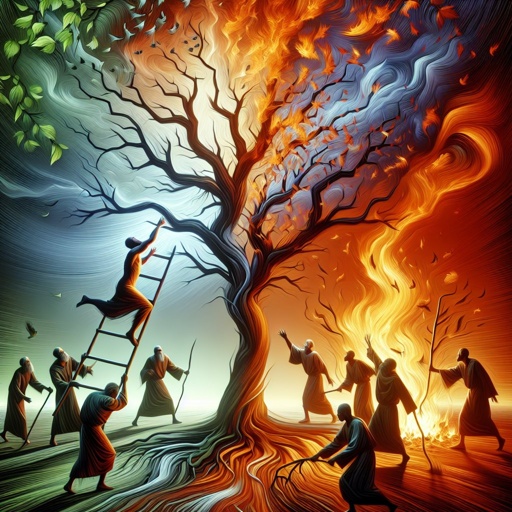
John 15:6 - "If a man abide not in me, he is cast forth as a branch, and is withered; and men gather them, and cast them into the fire, and they are burned."

John 15:7

John 15:7

John 15:5

John 15:5

John 1:6 - "¶ There was a man sent from God, whose name was John."

John 15 The Vine

John 6:63

John 6:63

John 6:63

John 6:63

John 15:26 NLT

John 14:15-21

John 15:1-8
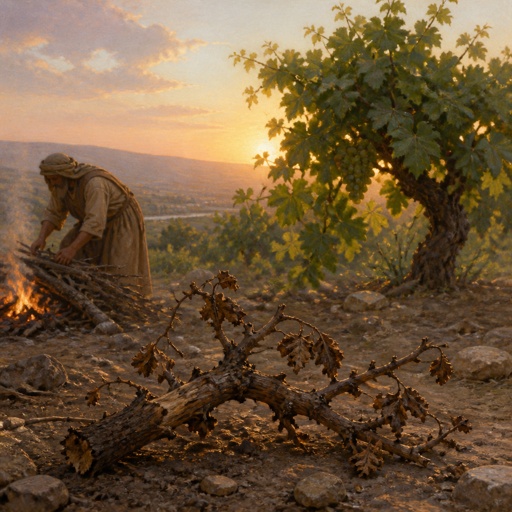
"If a man abide not in me, he is cast forth as a branch, and is withered; and men gather them, and cast them into the fire, and they are burned." - John 15:6

John 15:9-10

John 21:15-19

John 15:9-10
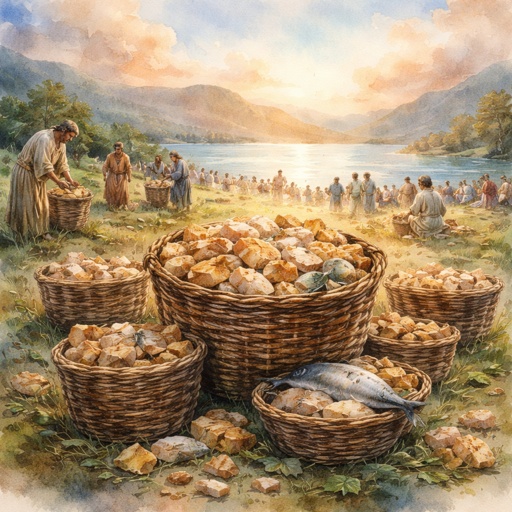
John 6:12

John 6:40

John 21:6

John 14:6

John 21:6

John 6:16

John 6:37

John 21:6

John 6:40

John 21:6