Sent by the Father: Understanding Our Divine Connection
“But I know him: for I am from him, and he hath sent me.” — John 7:29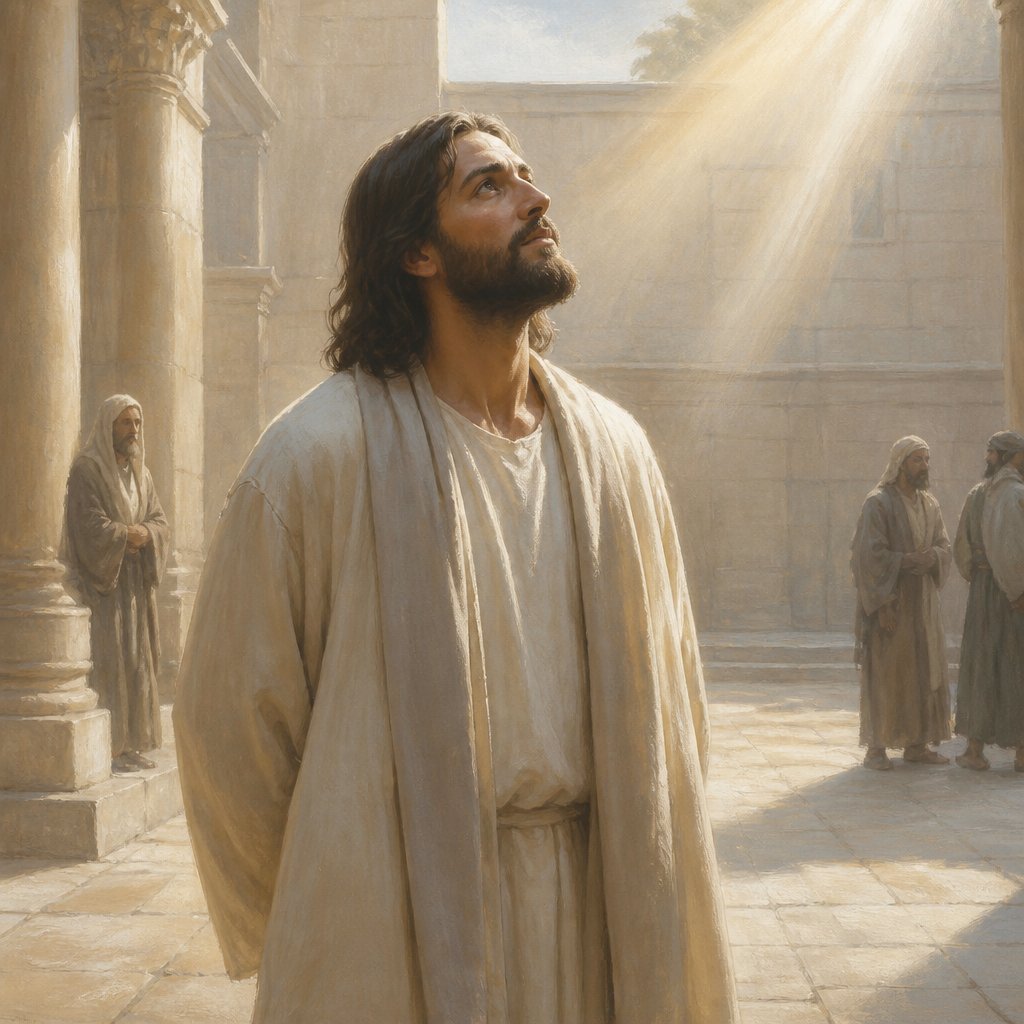
In the Gospel of John, chapter 7, we encounter a powerful declaration made by Jesus Christ: "But I know him: for I am from him, and he hath sent me" (John 7:29, KJV). This profound statement encapsulates not only Jesus’s identity but also His mission and our relationship with the Father. It warrants a deep reflection on the implications of being 'sent'—both in Jesus’s life and in our own.
To fully grasp the depth of this verse, we need to consider the context in which Jesus spoke these words. During the Feast of Tabernacles, the Jewish leaders were questioning Jesus’s authority, origin, and purpose. They were puzzled by His teachings, all while holding tightly to their preconceived notions of the Messiah. It was among this doubt and skepticism that Jesus boldly asserts His divine connection to the Father, making it clear that His authority does not come from human traditions or societal expectations, but from a direct and intimate relationship with God Himself.
When He says, "I know him," Jesus is not merely stating a fact; He is affirming an intimate knowledge that goes beyond surface understanding. This knowledge is rooted in relationship—a close communion that exists because Jesus is the Son of God. His being "from him" signifies that His essence, nature, and mission are all intertwined with that of the Father. Moreover, to declare that "he hath sent me" reveals Jesus’s purpose on earth as the incarnate Word, tasked with revealing the heart of the Father and fulfilling the redemptive plan for humanity.
As we meditate on this verse, we are led to a profound truth about our own lives. If Jesus, the Son of God, finds His identity so deeply embedded in His connection with the Father, how much more should we acknowledge and embrace our identity as children of God? According to John 1:12, we are given the right to become children of God through faith in Christ—an identity that carries with it the call to be ‘sent’ into the world, mirroring our Savior’s mission.
Jesus’s assurance of knowing the Father establishes a template for us. Just as He knew the Father through prayer, the Scriptures, and a life yielded to divine purpose, we are invited into the same experience. This is not merely a religious duty, but a relational journey that enables us to grasp the breadth of God’s love and grace. If we truly know God, it should influence every decision, every relationship, and every action in our lives.
To be sent is a call to significance. In our world, we may feel insignificant or overlooked. However, as believers, we are entrusted with a mission that echoes Jesus's own: to proclaim the good news, to demonstrate love through service, and to be agents of reconciliation in a fractured society. Each of us is uniquely equipped and called to carry forth the message of hope found in Christ. This calling may manifest in different ways—through our professions, our interactions, or even our simple acts of kindness.
This spiritual journey compels us to acknowledge that in and of ourselves, we cannot fulfill this calling. We, like Jesus, must rely on the Father’s guidance. When Jesus states that He has been sent by the Father, it highlights the importance of listening to God’s voice in our own lives. It invites us into a posture of humility, reminding us to seek His will above our own.
In conclusion, John 7:29 invites us to reflect on our own relationship with God. Let us strive to cultivate a deeper intimacy with Him, knowing that we are called to be sent out into the world just as Christ was. Let us carry forth His message and testimony, empowered by the knowledge of our identity as beloved children of the Most High. In doing so, we reflect the glory of the One who sent us and advance the kingdom of God in our midst.
Get our apps


Artwork for John 7:29

John 7:29 - "But I know him: for I am from him, and he hath sent me."
"But I know him: for I am from him, and he hath sent me." - John 7:29

Luke 7:29 - "And all the people that heard him, and the publicans, justified God, being baptized with the baptism of John."

"And all the people that heard him, and the publicans, justified God, being baptized with the baptism of John." - Luke 7:29

John 14.23-29

John 14:23-29

John 1 29-42

John 1 29-42

John 14:23-29

John 14:23-29

John 1 29-42

John 1 29-42

John 1:29 - "¶ The next day John seeth Jesus coming unto him, and saith, Behold the Lamb of God, which taketh away the sin of the world."

Numbers 29:7

Genesis 29-7

John 1:John 1:29 The Next Day John Saw Jesus Coming Toward Him, And Said, “Behold! The Lamb Of God Who Takes Away The Sin Of The World!

John 1:John 1:29 The Next Day John Saw Jesus Coming Toward Him, And Said, “Behold! The Lamb Of God Who Takes Away The Sin Of The World!

John 1:John 1:29 The Next Day John Saw Jesus Coming Toward Him, And Said, “Behold! The Lamb Of God Who Takes Away The Sin Of The World!

John 11:29 - "As soon as she heard that, she arose quickly, and came unto him."

Matthew 7:24-29

Matthew 7:24-29

John 7:38

John 15:7

John 7:38

John 15:7

John 7:38

John 7:38

John 12:29 - "The people therefore, that stood by, and heard it, said that it thundered: others said, An angel spake to him."

John 7:17-18

John 7:37-39