The Silent Wisdom of Jesus: A Lesson in Humility and Reflection
“This they said, tempting him, that they might have to accuse him. But Jesus stooped down, and with his finger wrote on the ground,.” — John 8:6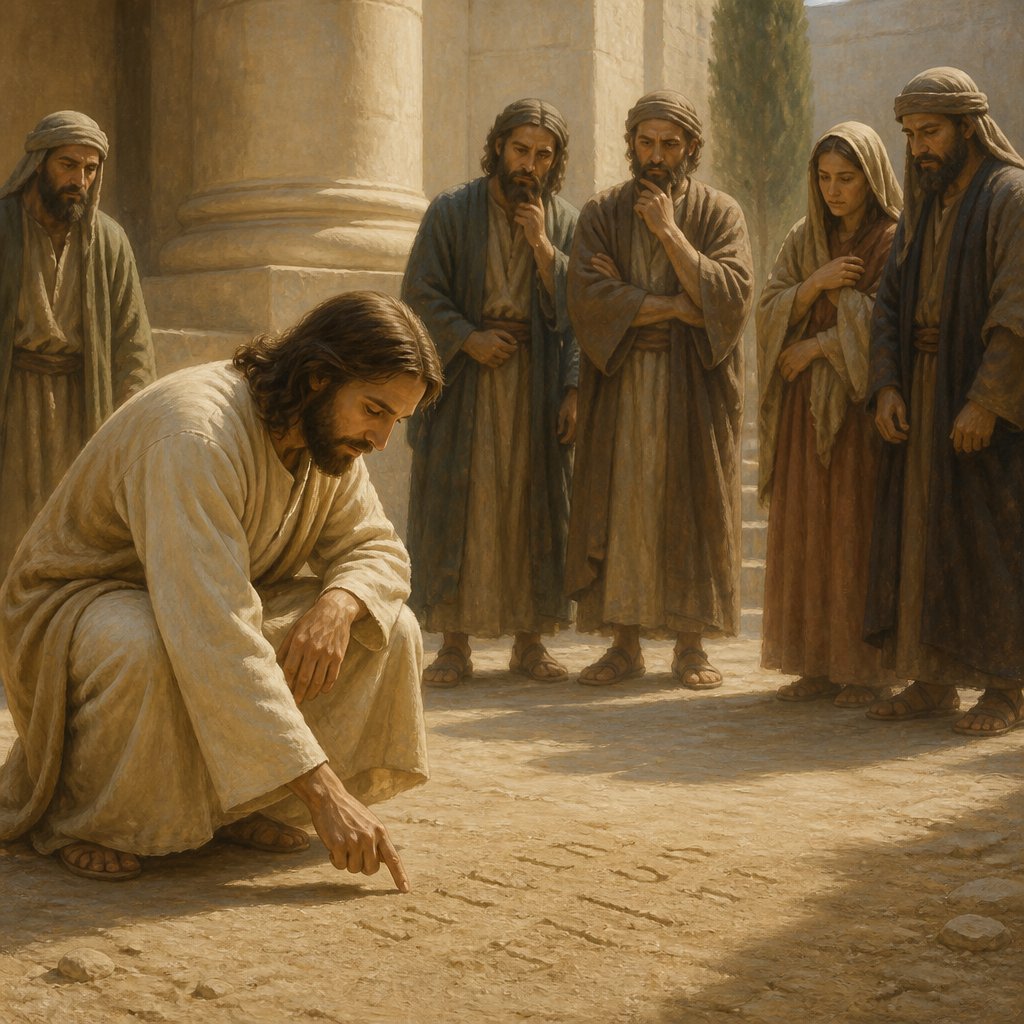
In John 8:6, we find ourselves drawn into a dramatic scene that underscores not only the malice in human hearts but also the profound wisdom and humility of our Savior. The verse reads: "This they said, tempting him, that they might have to accuse him. But Jesus stooped down, and with his finger wrote on the ground, as though he heard them not." The backdrop of this moment is the urgent demand for judgment against a woman caught in the act of adultery, a situation fraught with the tension of legalism versus grace, judgment versus mercy.
Jesus’ adversaries sought to entrap Him, employing the law of Moses to formulate a seemingly unassailable predicament: Should He enforce the law and condemn her, thus denying His message of grace, or should He show mercy and contradict the Scriptures? Their question was not a sincere inquiry but a malicious trap designed to discredit Jesus in the eyes of the people. It was a reminder of the lengths to which humans will go to assert their own righteousness while simultaneously accusing others.
In response, Christ took an unusual approach: He did not immediately answer them. Instead, He stooped down and began to write on the ground. This gesture, simple yet profound, speaks to us on multiple levels. Firstly, it reveals Jesus’ deep understanding of the condition of humanity; He recognized the hypocrisy of the scribes and Pharisees who were eager to condemn the woman while neglecting their own need for grace. The act of writing in the dirt suggests a momentary pause that forces everyone present to reflect on their motives and actions. Rather than engaging directly with their hostility, He offers a silence that speaks volumes.
Silence can often be more powerful than words. In a world that clamors for immediate responses and sharp retorts, Jesus exemplifies a different way of engaging conflict. He demonstrates that sometimes, wisdom lies in pausing—allowing ourselves time for reflection before reacting. What might have happened if He responded impulsively? The outcome could have further escalated the conflict instead of defusing it. Our Savior teaches us that there is power in humility, in stepping back to consider the greater picture.
Moreover, by stooping to write, Jesus takes on a posture of humility. This is striking when we consider that He is the Creator of the universe, yet He humbles Himself before those who wish to condemn Him. In this act, we see an essential aspect of His character: the King who serves. He embodies Philippians 2:7, which states that He "made himself of no reputation and took upon him the form of a servant." This is a vital lesson for us. In the face of accusations, harsh judgments, or even daily conflicts in our lives, can we adopt the same posture of humility? In our interactions, are we ready to serve rather than to condemn?
His act of writing also invites speculation and deeper thought. Many scholars have debated what He wrote, but perhaps the significance lies not in the content but in the act itself. Writing in the dust signifies the transient nature of our earthly conflicts and judgments. The very things we cling to are as fleeting as the dust of the earth; our reputations, our sins, our moments of glory are ephemeral. In this world where we strive for permanence, Jesus reminds us of the importance of looking beyond the temporary.
As we meditate on this verse, we are invited to consider how we respond to those around us. Are we quick to judge, or do we pause, reflect, and seek a way to show grace? Jesus exemplifies the necessity of combining truth with compassion. He calls us to act with humility and purpose in tense situations, serving and loving rather than accusing and destroying. In every encounter of conflict or temptation, may we strive to emulate His silent wisdom, and in doing so, reflect the heart of Christ in a world desperately in need of His grace.
Get our apps


Artwork for John 8:6

John 8:6 - "This they said, tempting him, that they might have to accuse him. But Jesus stooped down, and with his finger wrote on the ground, as though he heard them not."
"This they said, tempting him, that they might have to accuse him. But Jesus stooped down, and with his finger wrote on the ground, as though he heard them not." - John 8:6

John 6:8-9

John 6:8 - "One of his disciples, Andrew, Simon Peter's brother, saith unto him,"

"One of his disciples, Andrew, Simon Peter's brother, saith unto him," - John 6:8
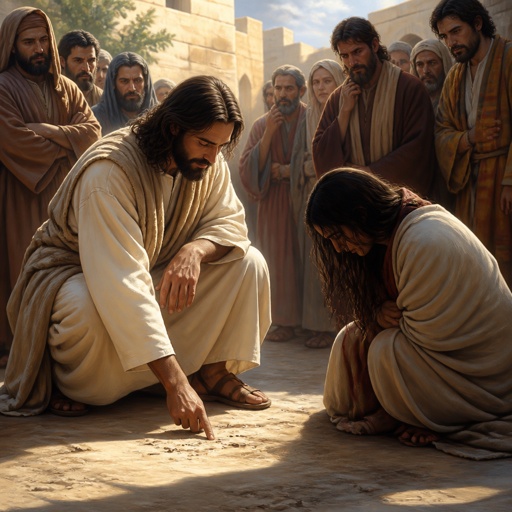
John 8

John 8

John 8:44
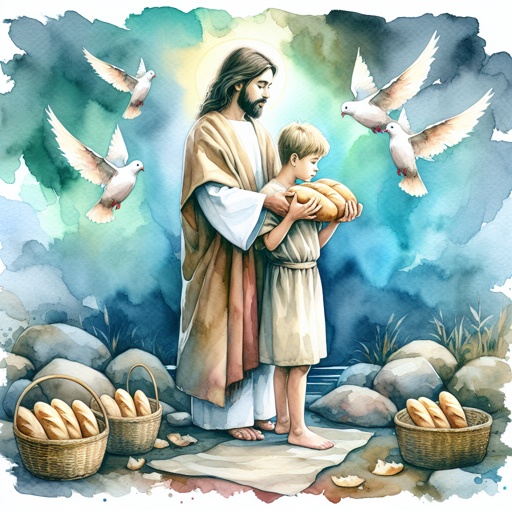
Philip said, ‘There is a small boy here with five loaves and two fish.’ (Jn 6:8)

John 1:6 - "¶ There was a man sent from God, whose name was John."

John 8:44

John 8:44

John 6:63

John 6:63

John 8:8 - "And again he stooped down, and wrote on the ground."

John 6:63

John 6:63

John 8:12

John 8:12

John 8:12

John 8:12

John 8:12
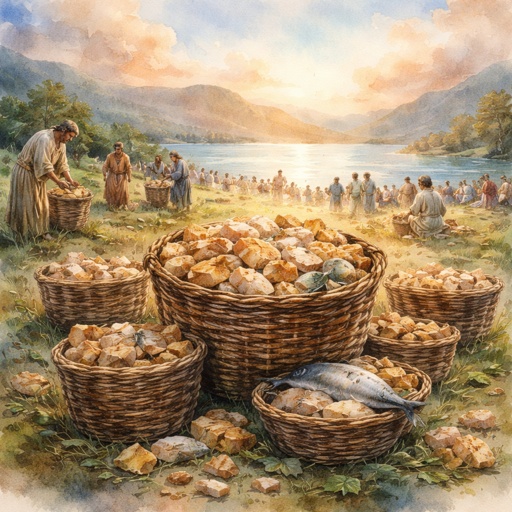
John 6:12

John 6:40

John 21:6

John 14:6

John 6:16

John 21:6

John 6:37

John 21:6