The Search for the Unknown: A Journey of Faith
“Then said they unto him, Where is he? He said, I know not.” — John 9:12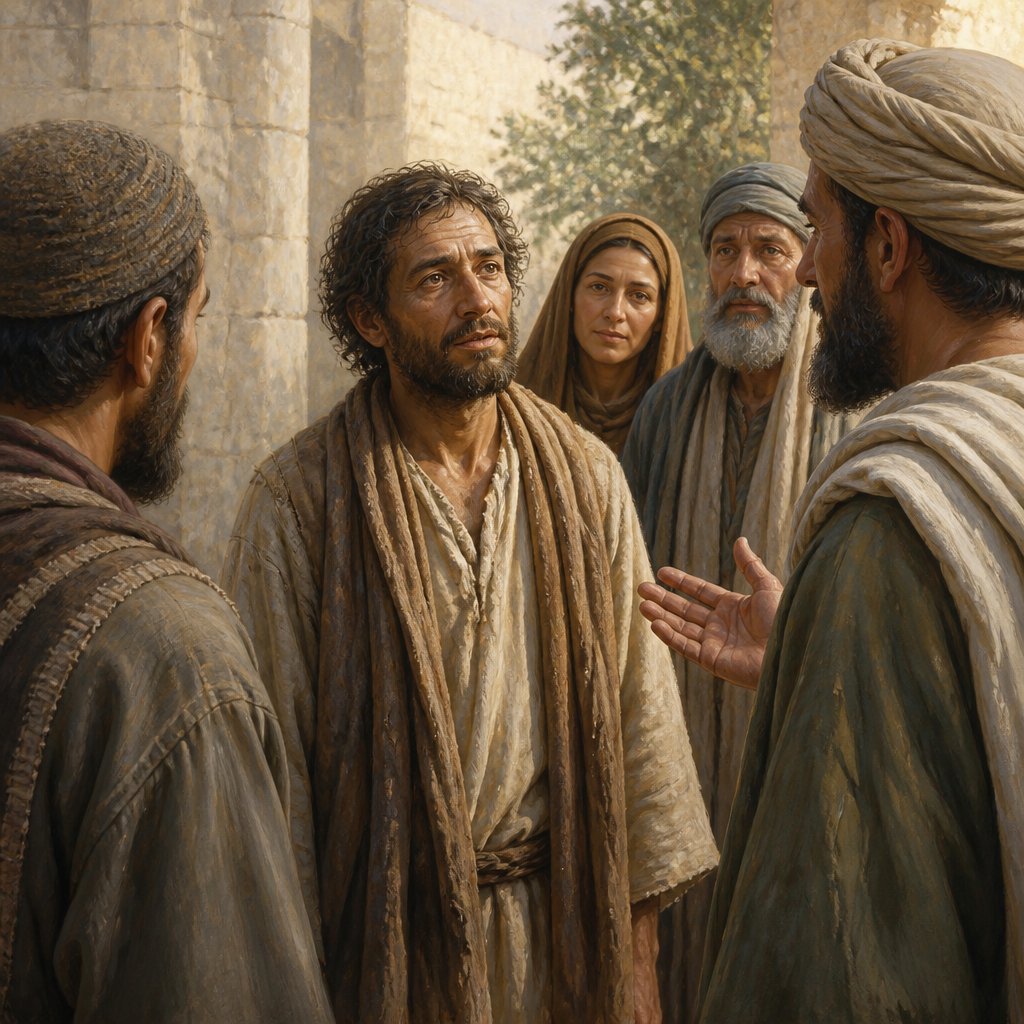
In the Gospel of John, chapter nine, we encounter the stirring account of Jesus healing a man who was blind from birth. Verses 1-12 depict a powerful interaction laden with theological significance, societal implications, and personal transformation. The key verse we will meditate on is John 9:12: "Then said they unto him, Where is he? He said, I know not." This simple yet profound statement by the formerly blind man encapsulates a moment of discovery that reverberates through generations.
The context of this healing is crucial. The disciples of Jesus, witnessing the man born blind, pose a question regarding the cause of his affliction: "Master, who did sin, this man, or his parents, that he was born blind?" (John 9:2). This inquiry reflects the prevalent belief that suffering is often a direct consequence of sin, a misunderstanding that attributes blame rather than recognizing God’s sovereignty. Jesus boldly answers, declaring that neither this man nor his parents sinned, but that the works of God should be made manifest in him (John 9:3). Here we see a profound truth: our sufferings and struggles may serve a purpose far beyond our understanding, designated for God’s glory.
After Jesus heals the blind man by applying mud made from His saliva and the dust of the earth, He instructs him to wash in the Pool of Siloam. The man obeys, and upon washing, he experiences the miracle of sight for the first time. Imagine the explosion of emotions: joy, astonishment, confusion, and perhaps even fear as the man navigates through a world he has never seen. His healing sets off a series of events where neighbors question the authenticity of his transformation, leading to interactions with the Pharisees who were intent on discrediting Jesus.
When questioned about the identity of his healer, the man honestly replies, "I know not." This response is not one of disappointment or ignorance; rather, it is an illustration of humility and the beginning of a spiritual awakening. The formerly blind man recognizes the miraculous work that has occurred yet understands that he does not possess everything figured out. How often do we feel pressured to have all the answers to the questions life throws at us? We live in an age that prizes knowledge and certainty. However, faith often requires us to embrace the uncertainty that comes with not knowing.
The man’s response also invites us to reflect on our own discovery of God. Just as he acknowledges his lack of knowledge about the one who healed him, we too may find ourselves in unfamiliar territory when we encounter the divine. There are times when God leads us to experiences or revelations that we cannot fully comprehend. It challenges us to trust Him even without clear answers. Isn’t it freeing to recognize that faith does not hinge on our understanding but rather on our willingness to submit to His will?
Furthermore, this blind man’s journey doesn’t conclude with his healing. As he engages with others about the miracle, he evolves from a mere witness to a bold proclaimer of Jesus’ works. He becomes a testimony of what it means to encounter Jesus, progressing from experiencing the miracle to articulating the miracle-maker. It is a challenge for us, too, to share our stories of faith—not just when we have everything figured out but even when we are in the process of understanding.
As we meditate on John 9:12, let us embrace the journey of faith characterized by moments of uncertainty. Let us be unafraid to proclaim our experiences with God, even when we might not have every detail in place. Let us also remember that our stories have the power to point others towards the One who brings healing and transformation. This search for understanding and meaning, imbued with a sense of mystery, is where we often discover Him anew—growing in faith as we navigate the questions of life, just as the blind man did.
Get our apps


Artwork for John 9:12

John 9:12 - "Then said they unto him, Where is he? He said, I know not."
"Then said they unto him, Where is he? He said, I know not." - John 9:12

John 12:9 - "Much people of the Jews therefore knew that he was there: and they came not for Jesus' sake only, but that they might see Lazarus also, whom he had raised from the dead."
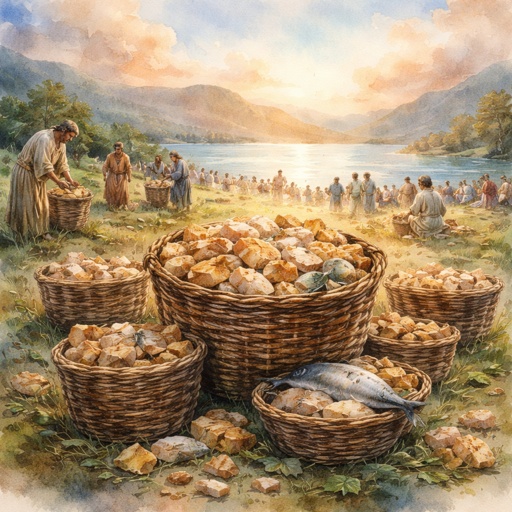
John 6:12

John 8:12

john 21:9

John 12:25
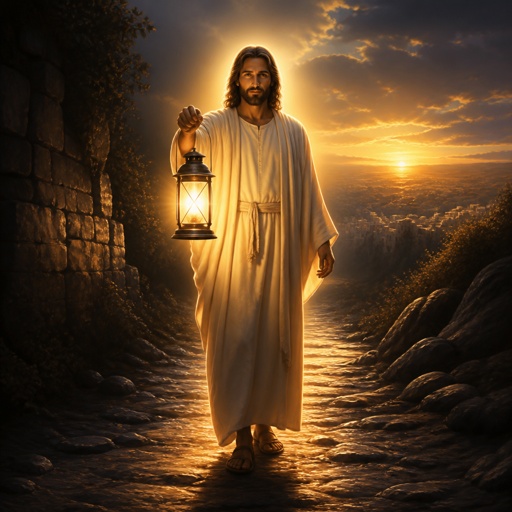
John 8:12

John 8:12

John 8:12
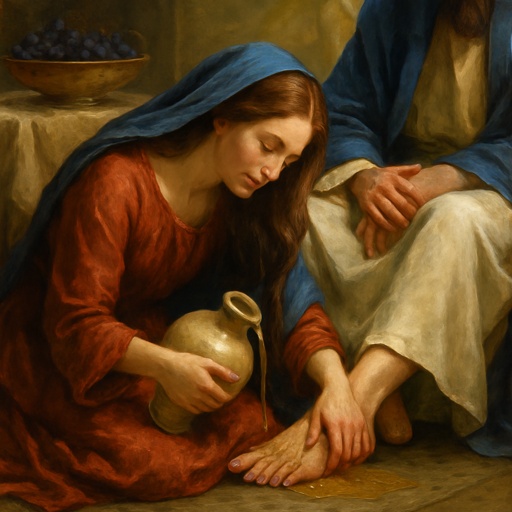
John 12:3

John 8:12
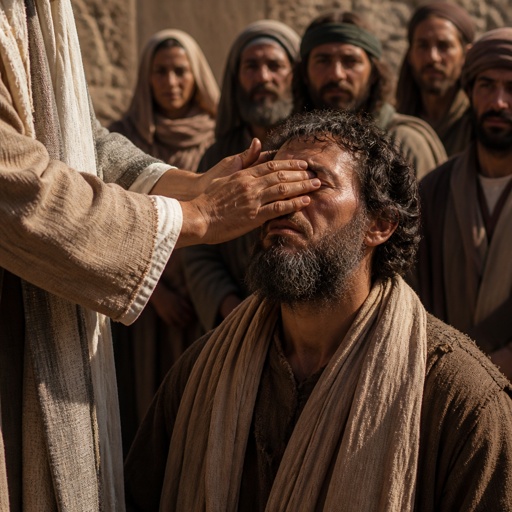
John 9:10

John 10:9

John 10:9

John 10:9

John 20:11-12

John 6:8-9

John 9:1-3

John 13:4-9

John 9:1-41

1 John 1:9

John 12:12 - "¶ On the next day much people that were come to the feast, when they heard that Jesus was coming to Jerusalem,"

John 15:9-10

John 15:9-10

John 16:9 - "Of sin, because they believe not on me;"

John 9:9 - "Some said, This is he: others said, He is like him: but he said, I am he."

John 9:13 - "¶ They brought to the Pharisees him that aforetime was blind."

Acts 12:2 - "And he killed James the brother of John with the sword."

Luke 9:9 - "And Herod said, John have I beheaded: but who is this, of whom I hear such things? And he desired to see him."