Seeing the Light: A Journey of Faith and Testimony
“But by what means he now seeth, we know not; or who hath opened his eyes, we know not: he is of age; ask him: he shall speak for himself.” — John 9:21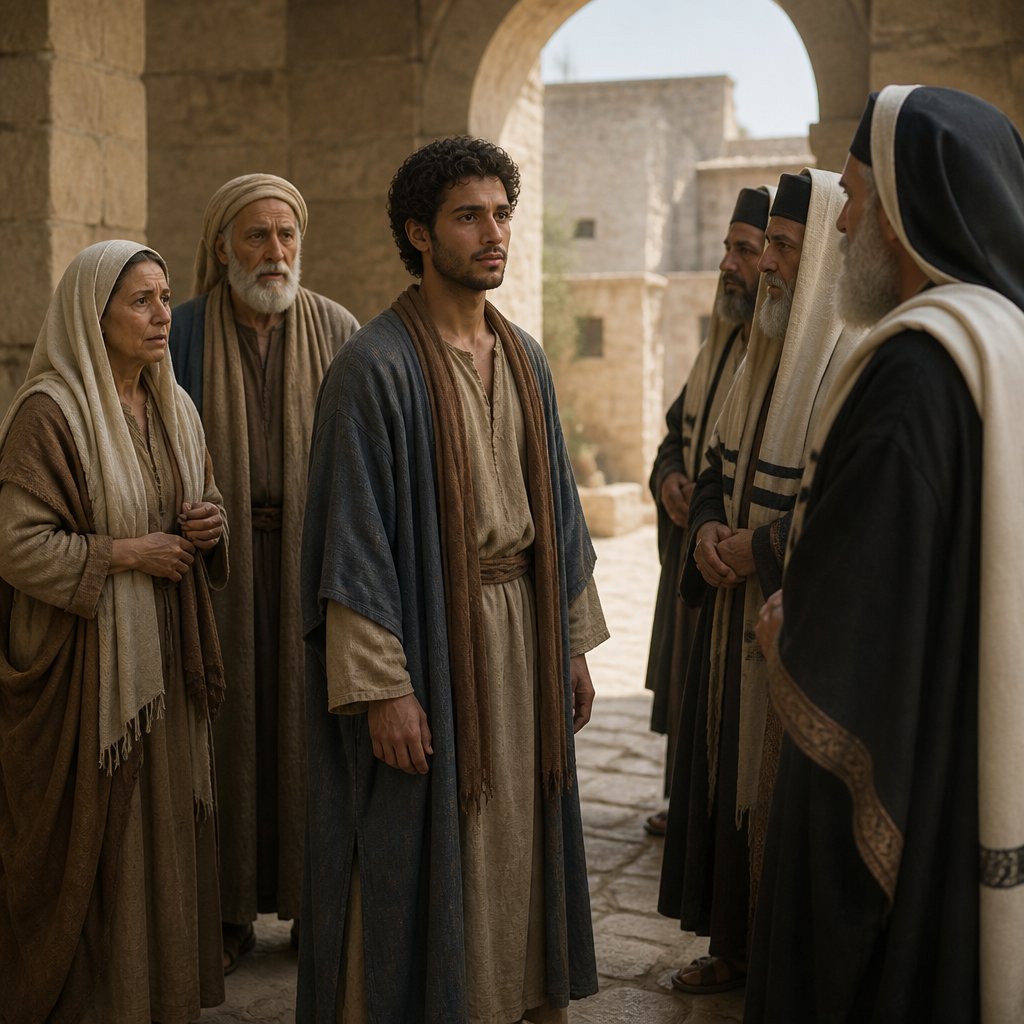
John 9:21 says, "But by what means he now seeth, we know not; or who hath opened his eyes, we know not: he is of age; ask him: he shall speak for himself." This passage unfolds a profound narrative in the life of a man born blind who has received his sight through the miraculous intervention of Jesus. The backdrop of this verse is rich with lessons about faith, testimony, and the transformative power of a personal encounter with Christ.
In the context of John 9, we find Jesus healing a man who had been blind from birth. This healing sparks a debate among the Pharisees, who are incredulous and refuse to accept that someone like Jesus—who doesn't adhere to their interpretations of the law—could perform such remarkable works. Instead of focusing on the miracle and the change it brought to the man’s life, they become fixated on their religious norms and the identity of the healer.
The reaction of the man’s parents is particularly telling in verse 21. They were cautious in their response to the inquiries of the Pharisees. They acknowledged that their son could see, but they hesitated to attribute the healing to Jesus, fearing the repercussions of being expelled from the synagogue. Their words reflect a struggle many of us face: the tension between truth and the fear of societal backlash. They recognized their son was "of age" and encouraged the authorities to ask him; he could testify about his own experience.
This scenario encapsulates a universal truth—the importance of personal testimony in our walk with God. The blind man, who later stands before the Pharisees and boldly proclaims his healing, serves as a powerful reminder of the transformative encounters we can have with Jesus.
His declaration, "One thing I know, that, whereas I was blind, now I see" (John 9:25), is a testament to the undeniable effect Christ can have in our lives. It is not merely the content of his answer that matters, but the conviction with which he speaks. His transformation is both physical and spiritual. He goes from being a nameless beggar to a witness of the Messiah.
As believers, we are called to share our personal stories of faith and salvation, just as the healed blind man did. Each of us has experienced the touch of God in our lives, whether that involves healing, revelation, provision, or redemption. And like the parents in John 9:21, we must recognize the value of allowing others to speak on their behalf, to share their testimonies, while we support them with our own.
The hesitance of the parents starts a conversation about fear—fear of rejection and fear of the unknown. It underscores a tendency we all share: the desire to protect our comfort and social standing, even at the expense of proclaiming the miraculous works of God. The Pharisees exemplify a stubborn refusal to understand and accept the work of God because it doesn't fit within their prescribed religious frameworks. They were more concerned about their authority being challenged than celebrating the miracle in their midst.
In our spiritual journey, the question arises: Are we willing to speak boldly about our faith despite potential ridicule or rejection? Are we prepared to testify about how Jesus has opened our eyes to spiritual truths in a world that often prefers darkness? We can take courage from the blind man, who, despite being interrogated and pressured by the religious leaders, chose to proclaim what he knew to be true—a powerful testimony rooted in personal experience.
In conclusion, John 9:21 exhorts us to embrace our stories of transformation. Allow the work of Christ in your life to be a beacon of hope for others. Stand firm like the healed blind man, ready to testify what the Lord has done for you. Jesus opened our eyes, not just for our sake, but so that we might bear witness to His greatness, illuminating the path for others to see His light. Let us always be ready to speak for ourselves when it comes to the truth of how Jesus has changed us—after all, it is a testimony that holds the power to change lives.
Get our apps


Artwork for John 9:21

John 9:21 - "But by what means he now seeth, we know not; or who hath opened his eyes, we know not: he is of age; ask him: he shall speak for himself."
"But by what means he now seeth, we know not; or who hath opened his eyes, we know not: he is of age; ask him: he shall speak for himself." - John 9:21

john 21:9

numbers 21:8-9 & John 3:14

John 21:9 - "As soon then as they were come to land, they saw a fire of coals there, and fish laid thereon, and bread."
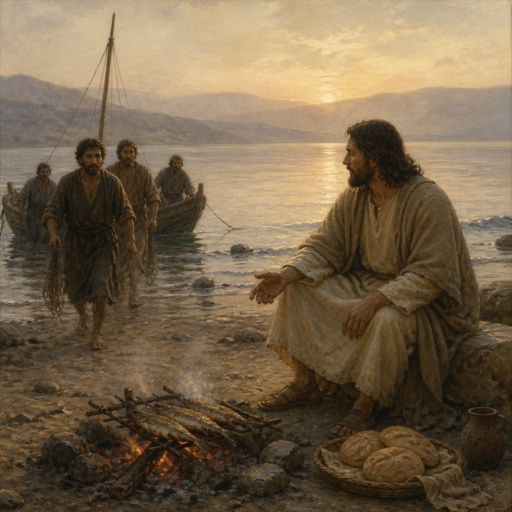
"As soon then as they were come to land, they saw a fire of coals there, and fish laid thereon, and bread." - John 21:9

John 20:21

John 21:6

John 21:21 - "Peter seeing him saith to Jesus, Lord, and what shall this man do?"

John 21:6

John 21:17

John 21:25

John 21:6

John 21:6

John 14:15-21

John 21:15-19

John 2:21 - "But he spake of the temple of his body."

Matthew 9:21

Matthew 9:21-22

Matthew 9:21-22

Matthew 9:21-22

Matthew 9:21-22

Matthew 9:21-22
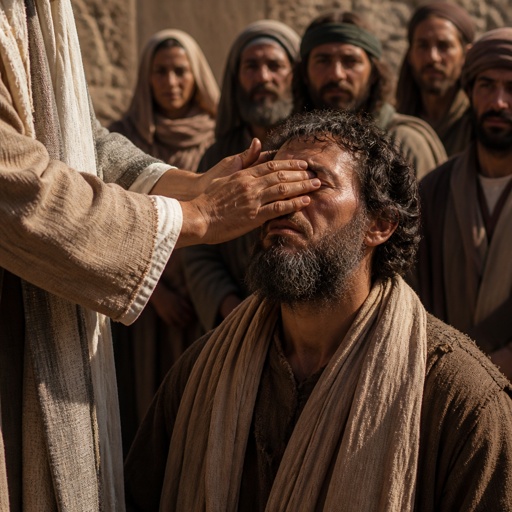
John 9:10

John 10:9

John 10:9

John 10:9

rev 9:21

Genesis 21:9

John 21:13 - "Jesus then cometh, and taketh bread, and giveth them, and fish likewise."