Manifesting God’s Glory Through Our Trials
“Jesus answered, Neither hath this man sinned, nor his parents: but that the works of God should be made manifest in him.” — John 9:3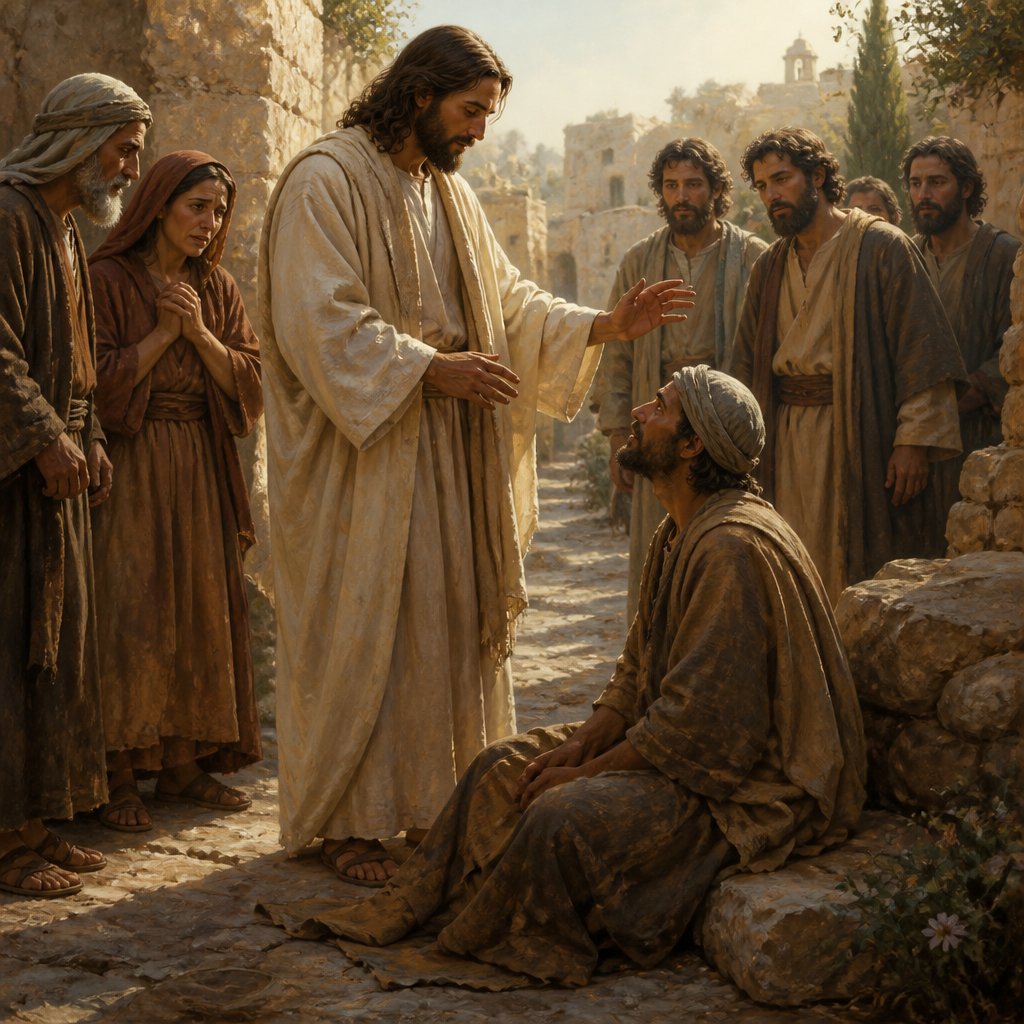
John 9:3 recounts a transformative moment in the ministry of Jesus, providing profound insights into the nature of suffering, divine purpose, and the manifestation of God’s glory in the lives of humanity. The verse says, "Jesus answered, Neither hath this man sinned, nor his parents: but that the works of God should be made manifest in him." This passage serves as a poignant reminder that pain and suffering are not always direct results of sin, and that God can use even the most challenging circumstances for His glory.
When we first encounter the man born blind in this chapter, it’s easy to get caught up in the curiosity about his condition. The disciples, embodying a common perspective of the time, hastily ascribe blame either to the man or his parents. This reflects a widespread belief that illness, disability, or misfortune is often a direct consequence of sin. Yet, Jesus’ response dismantles this notion. In one profound statement, He redefines the understanding of suffering and illuminates a higher purpose.
The phrase "that the works of God should be made manifest in him" invites us to a deeper contemplation of our trials. Throughout Scripture, we see examples where suffering serves a greater purpose. Job endured profound loss yet remained faithful, ultimately experiencing God's restoration. The Apostle Paul faced relentless persecution, ultimately leading to the establishment of churches and the spread of the Gospel. In each instance, their suffering was not merely personal hardship, but rather a stage for the glory of God to be revealed.
In our own lives, how often do we find ourselves grappling with struggles that seem senseless and overwhelming? We may feel like the blind man—navigating our existence without clarity, desperately seeking answers for our pain and weariness. It is here, in the uncertainty, that faith must rise and trust in God’s good purpose should take root.
Jesus makes it clear that not every trial we endure stems from our failures but may very well serve as a canvas on which God paints His miraculous works. This can be incredibly liberating for those battling illness, loss, or hardship. Instead of asking why we experience suffering, we may find ourselves trained to consider, “How can God’s glory be displayed through this?” and “What greater work is God preparing to reveal?”
The implications of realizing that trials are intended for divine manifestation shift our perspective dramatically. The text illustrates that the blind man's identity is not defined by his blindness, nor is his worth rooted in his physical condition. Rather, he is a vessel through which God’s power and love would be revealed to the world. Our identity, in similar fashion, is not determined by our circumstances or societal labels but is newly crafted and continuously shaped by the creator of the universe.
As we witness the miraculous healing that follows this declaration from Jesus, we cannot overlook how pivotal this moment is in the life of that man. His story becomes a testimony—transforming him from a figure of pity to a powerful example of God’s miraculous work. Jesus uses the very thing society views as a limitation to showcase the limitless power of God: the blind man receives sight, but more importantly, he becomes a witness of Jesus’ divinity.
Reflecting on John 9:3 invites us to consider the areas of our lives where we feel wounded, blind, or broken. Can we view our burdens as opportunities for God to work? Are we willing to shift our focus from self-pity to expectancy for God’s grandeur?
Let us actively embrace the belief that God’s work can be made manifest even in the darkest corners of our existence. Through trials, we can press in deeper with faith, worship, and expectation, knowing our pain may well serve as an arena where God’s glory and power can be displayed.
In conclusion, as we journey through life, may we remember that our trials can reflect the glorious nature of our Creator. Let us pray for the faith to see beyond our immediate circumstances and trust that our stories are not merely about our suffering but about unveiling the greater narrative of God’s love and power at work in us.
Get our apps


Artwork for John 9:3

John 9:3 - "Jesus answered, Neither hath this man sinned, nor his parents: but that the works of God should be made manifest in him."
"Jesus answered, Neither hath this man sinned, nor his parents: but that the works of God should be made manifest in him." - John 9:3

John 9:1-3

John 3:9 - "Nicodemus answered and said unto him, How can these things be?"

numbers 21:8-9 & John 3:14

3 John 1:9 - "I wrote unto the church: but Diotrephes, who loveth to have the preeminence among them, receiveth us not."

1 John 3:9 - "Whosoever is born of God doth not commit sin; for his seed remaineth in him: and he cannot sin, because he is born of God."
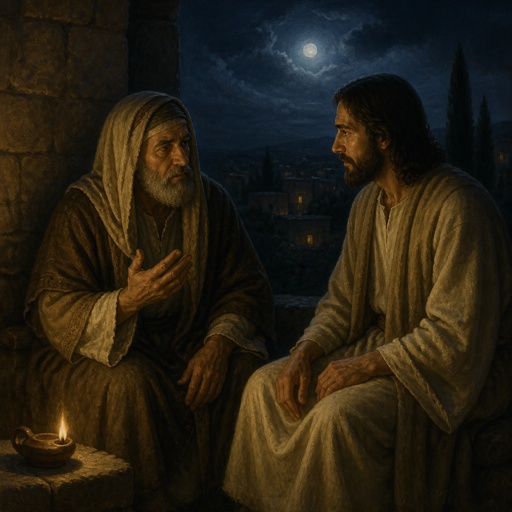
"Nicodemus answered and said unto him, How can these things be?" - John 3:9

John 3:3

John 3:24 - "For John was not yet cast into prison."

john 21:9

John 3:3-8
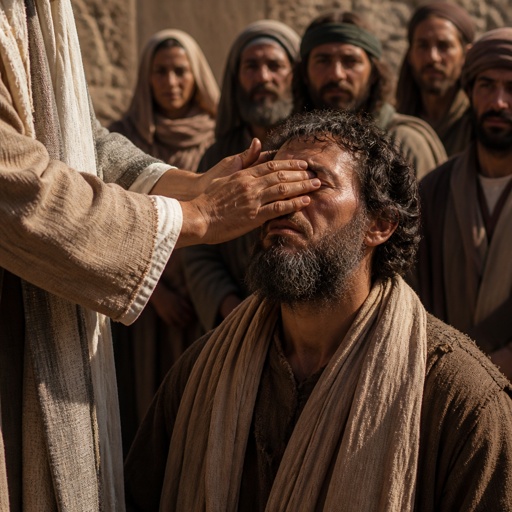
John 9:10

John 10:9

John 10:9

John 10:9

"I wrote unto the church: but Diotrephes, who loveth to have the preeminence among them, receiveth us not." - 3 John 1:9

John 3

1 John 3:1-3

John 6:8-9

John 13:4-9

John 9:1-41

1 John 1:9

John 3:16

John 15:9-10

John 15:9-10
John 3:16

John 3:16

john 3:16

John 3:14