Seeing Beyond Sight: The Perils of Spiritual Blindness
“Jesus said unto them, If ye were blind, ye should have no sin: but now ye say, We see; therefore your sin remaineth.” — John 9:41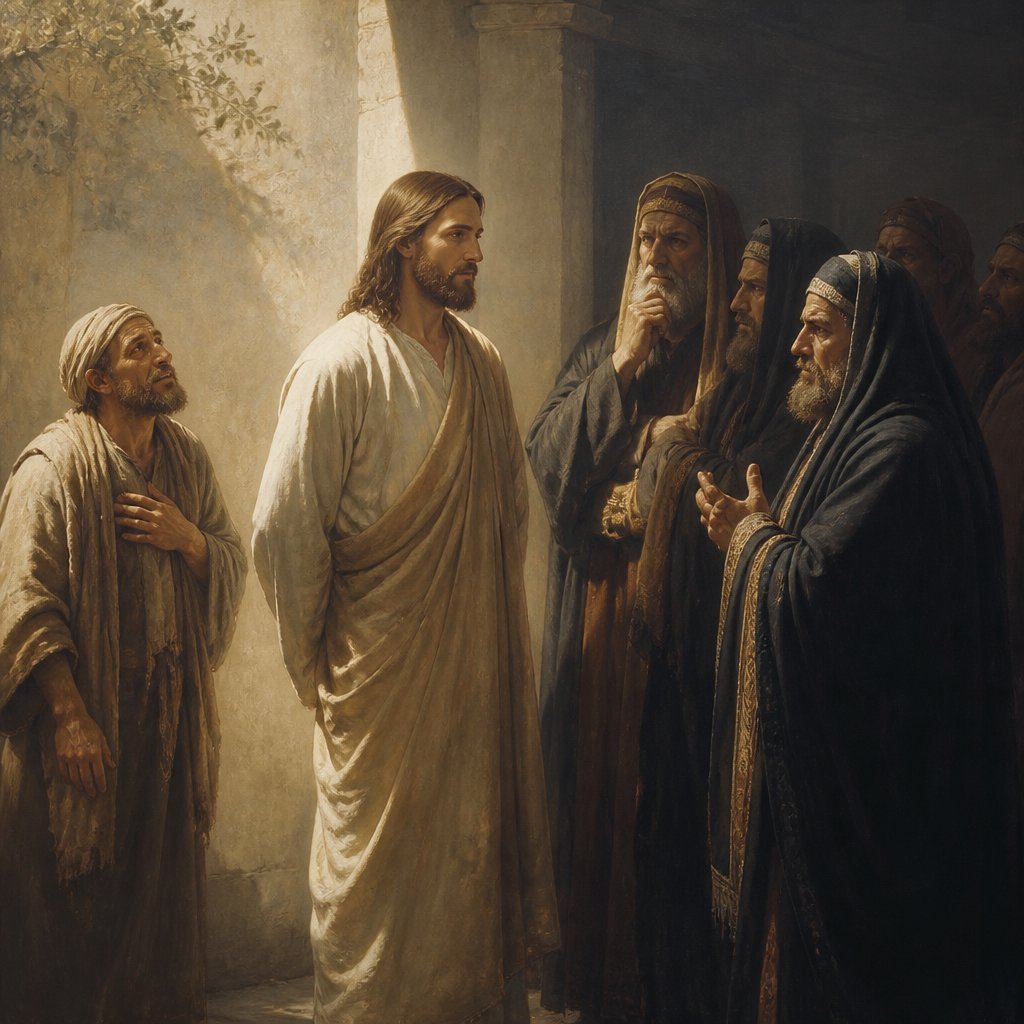
In the account found in John 9:41, Jesus delivers a profound statement to the Pharisees: "Jesus said unto them, If ye were blind, ye should have no sin: but now ye say, We see; therefore your sin remaineth." This verse reveals layers of meaning about perception, accountability, and the nuances of spiritual blindness and sight.
To fully unpack this verse, we must consider the context. Earlier in John chapter 9, Jesus heals a man who was born blind, performing a miracle that embodies both physical and spiritual sight. The act of healing prompts a significant confrontation between Jesus and the Pharisees, who are the religious leaders of the time. They represent a stringent adherence to the Law and a refusal to acknowledge the truth and authority of Jesus’ ministry. When confronted with the miracle, instead of celebrating the healing, they become defensive, illustrating the acute reality of spiritual blindness.
In saying, "If ye were blind, ye should have no sin," Jesus acknowledges that unawareness of one’s condition can serve as a form of ignorance and affords a level of grace. He points to the inherent mercy in admitting one's blindness—an admission that would lead to understanding and ultimately redemption. This serves as a striking reminder that self-awareness in our spiritual condition opens the door to grace. If one acknowledges their sinfulness and limitations, they are set on a path toward forgiveness and restoration.
However, Jesus contrasts this with the Pharisees’ claim, "We see." Their assertion of visibility symbolizes their pride and arrogance. They believe they possess religious clarity and moral superiority because they adhere to the Law. Yet, herein lies the danger: with their declaration of sight comes the burden of accountability, leading to a stark realization that their sins remain unaddressed due to their refusal to recognize their need for spiritual awakening.
This discourse presents us with a critical crossroads—what does it mean to truly see? It implies more than merely opening our physical eyes to the world around us; it involves an intimate gaze into our souls, recognizing our shortcomings and the areas where we are blind. It invites us to question our own assumptions and prideful declarations. How many times do we, like the Pharisees, extol our moral or spiritual clarity while neglecting the deeper aspects of our lives that require healing?
In the presence of Jesus, the ultimate Light, the contrast becomes glaring: darkness can manifest even in those who claim to walk in the light. The implication is sobering: without humility and recognition of our own spiritual blindness, our assertions of righteousness and clarity merely serve to entrench us further in our separation from God. We must handle our convictions carefully, aware of the potential for arrogance that can blind us.
The call of Jesus to recognize our spiritual blindness is a reminder that we must approach God with a posture of humility and openness. It is in recognizing our need for Him, admitting our shortcomings, and seeking His light, that we can truly see. The Gospel extends an invitation to the blind: we do not have to remain in darkness, for Christ has come to bring us sight. In our prayers, let us seek the truth about ourselves that we may fear to address. Like the blind man who received sight, we too can bear witness to His transformative work when we acknowledge our need for divine revelation.
As you reflect on John 9:41 today, ask yourself: What areas of my life do I need to bring before God? What ways have I been blind to my own spiritual condition or to the needs of those around me? Let us all seek the Light, permitting it to penetrate our hearts, for it is in embracing our blindness that we can begin our journey towards true sight and transformation in Christ.
Get our apps


Artwork for John 9:41

John 9:41 - "Jesus said unto them, If ye were blind, ye should have no sin: but now ye say, We see; therefore your sin remaineth."
"Jesus said unto them, If ye were blind, ye should have no sin: but now ye say, We see; therefore your sin remaineth." - John 9:41

John 9:1-41

John 10:41 - "And many resorted unto him, and said, John did no miracle: but all things that John spake of this man were true."

John 5:41 - "I receive not honour from men."
John 4:41 - "And many more believed because of his own word;"

Mark 10:41 - "And when the ten heard it, they began to be much displeased with James and John."

John 7:41 - "Others said, This is the Christ. But some said, Shall Christ come out of Galilee?"

John 12:41 - "These things said Esaias, when he saw his glory, and spake of him."
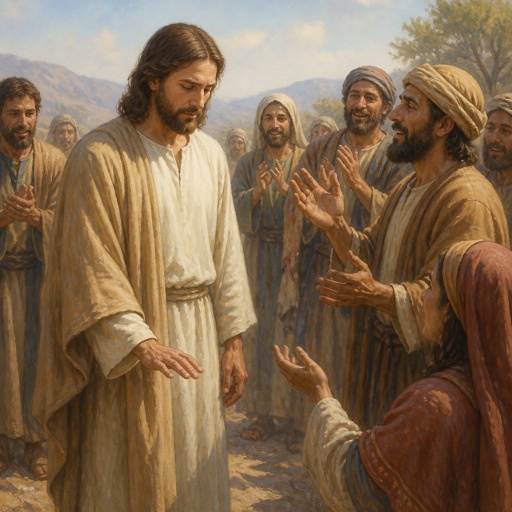
"I receive not honour from men." - John 5:41

1 Chronicles 9:41 - "And the sons of Micah were, Pithon, and Melech, and Tahrea, and Ahaz."

John 6:41 - "The Jews then murmured at him, because he said, I am the bread which came down from heaven."

John 19:41 - "Now in the place where he was crucified there was a garden; and in the garden a new sepulchre, wherein was never man yet laid."

"And many resorted unto him, and said, John did no miracle: but all things that John spake of this man were true." - John 10:41

Job 41:9 - "Behold, the hope of him is in vain: shall not one be cast down even at the sight of him?"
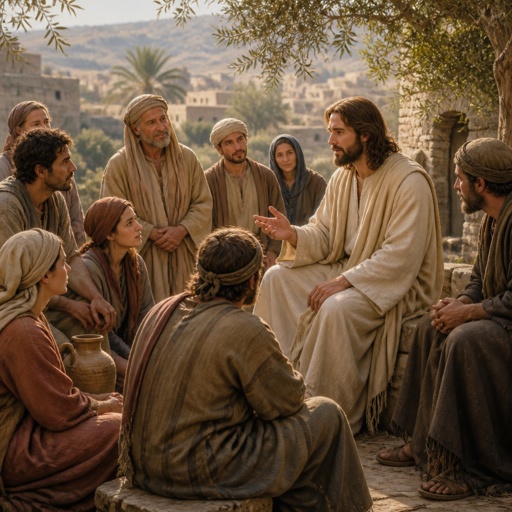
"And many more believed because of his own word;" - John 4:41

John 8:41 - "Ye do the deeds of your father. Then said they to him, We be not born of fornication; we have one Father, even God."

Judges 9:41 - "And Abimelech dwelt at Arumah: and Zebul thrust out Gaal and his brethren, that they should not dwell in Shechem."

Genesis 41:9 - "¶ Then spake the chief butler unto Pharaoh, saying, I do remember my faults this day:"

"And when the ten heard it, they began to be much displeased with James and John." - Mark 10:41

John 1:41 - "He first findeth his own brother Simon, and saith unto him, We have found the Messias, which is, being interpreted, the Christ."
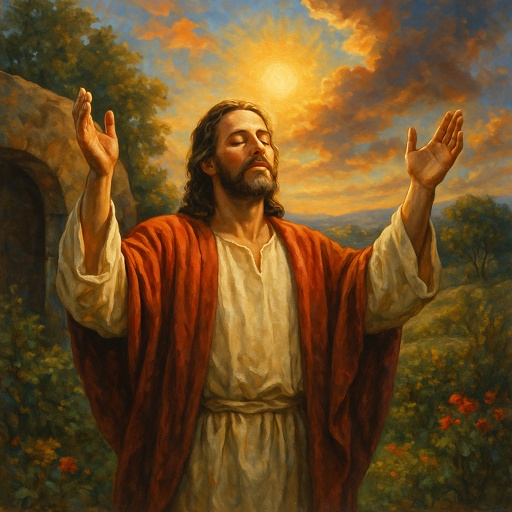
"Then they took away the stone from the place where the dead was laid. And Jesus lifted up his eyes, and said, Father, I thank thee that thou hast heard me." - John 11:41

john 21:9

Ezekiel 41:9 - "The thickness of the wall, which was for the side chamber without, was five cubits: and that which was left was the place of the side chambers that were within."

John 11:41 - "Then they took away the stone from the place where the dead was laid. And Jesus lifted up his eyes, and said, Father, I thank thee that thou hast heard me."
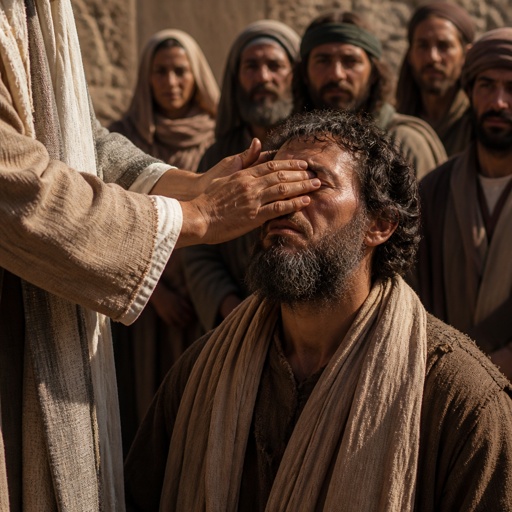
John 9:10

John 10:9

John 10:9

John 10:9
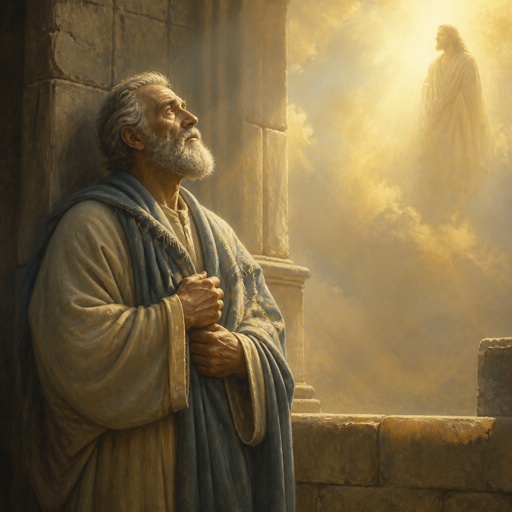
"These things said Esaias, when he saw his glory, and spake of him." - John 12:41