The Weight of Deliverance: Understanding Samson's Defiance
“Then three thousand men of Judah went to the top of the rock Etam, and said to Samson, Knowest thou not that the Philistines are rulers over us? what is this that thou hast done unto us? And he said unto them, As they did unto me, so have I done unto them.” — Judges 15:11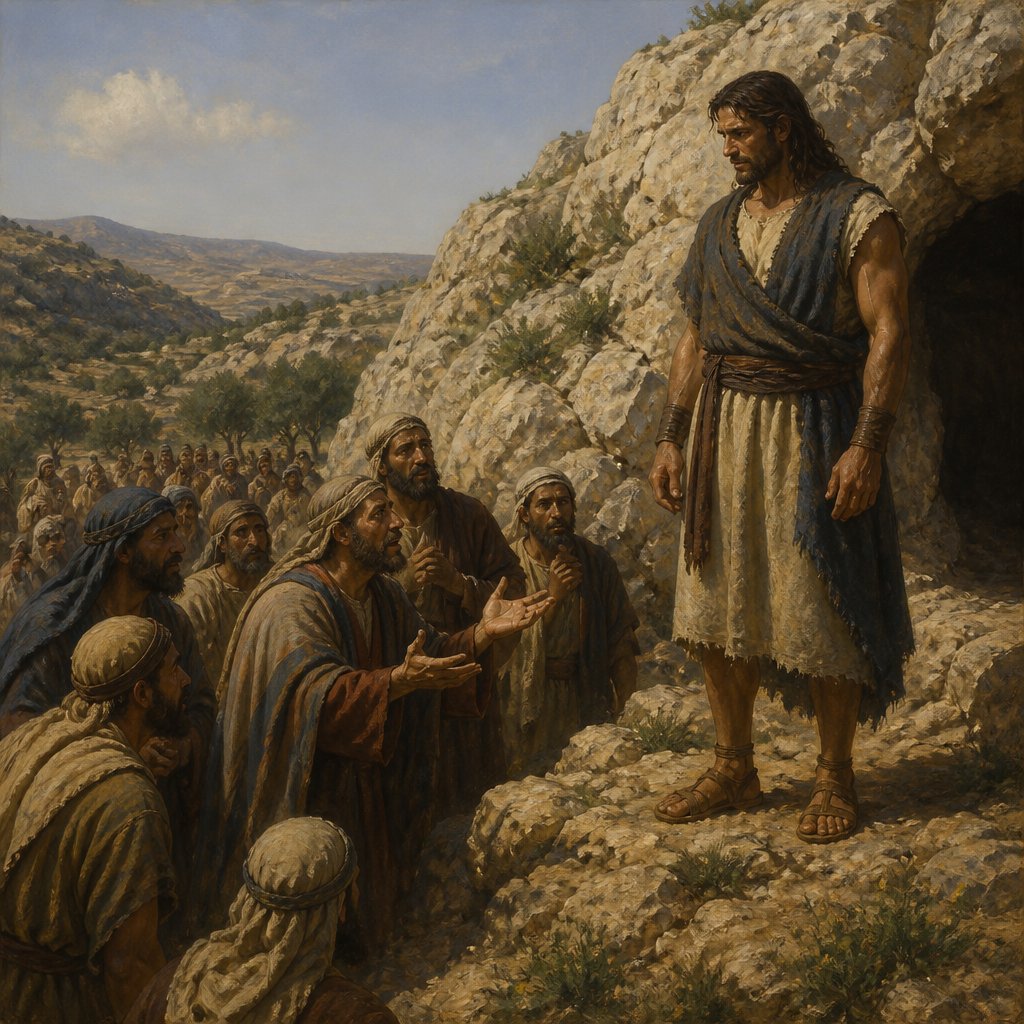
In the tumultuous cycle of Israel's history, the narrative of Samson stands out as a lesson in both strength and weakness. Judges 15:11 offers a pivotal moment, not just in Samson's life, but in the collective narrative of the Israelites under Philistine oppression. The verse reads: "Then three thousand men of Judah went to the top of the rock Etam, and said to Samson, Knowest thou not that the Philistines are rulers over us? what is this that thou hast done unto us? And he said unto them, As they did unto me, so have I done unto them." (Judges 15:11, KJV)
To fully grasp the significance of this text, we need to understand the context in which it occurs. Samson, called by God from birth, was endowed with extraordinary strength to begin the deliverance of Israel from the Philistines, who had dominated them for years. However, his life is marked not only by divine empowerment but also by personal failures and compromises—particularly with regard to his relationships and his disregard for the very Israelite people he was called to save.
When the men of Judah confront Samson, they do so from a place of fear and subjugation. They come to him, a man of physical might, but also a figure of moral ambiguity, questioning his actions that have jeopardized their fragile security under Philistine rule. Their statement, "Knowest thou not that the Philistines are rulers over us?" reflects their acceptance of oppression, a resignation that highlights a deeper concern about the consequences of rebellion. They are more concerned about maintaining peace with their oppressors than standing in solidarity with the call to liberation.
What’s striking here is the rhetorical question posed by the men of Judah. They represent a people who, having lived under oppression for so long, have become accustomed to their chains. They have lost sight of the promised deliverance and are disheartened by the turbulence that accompanies the divine intervention represented by Samson. The reality is that they would rather live under the authority of their oppressors than engage in the dangerous and arduous path toward freedom.
In response, Samson declares, "As they did unto me, so have I done unto them." His words echo a principle of divine justice—each action has a reaction, and he has acted in kind to the injustices he faced. But what might initially seem like a justification of his actions reveals a deeper conflict; Samson's own sense of calling was shrouded in personal vendettas rather than a pure pursuit of freedom for his people.
This interaction between Samson and the men of Judah invites us to examine our own lives and the ways we respond to oppression, both within ourselves and in our communities. Are we passive like the men of Judah, comfortable with injustice as long as our immediate safety is assured? Or do we possess the courage to stand up against what is wrong, understanding that it may come with a price?
Additionally, this passage calls us to reflect on the nature of true strength and leadership. Samson's external strength was unparalleled, but his internal struggles rendered him vulnerable. True leadership does not merely seek to inspire fear of retaliation against oppression but compels others towards a righteous cause, compelling them to rise and resist evil together.
Through Samson’s story, we are reminded that God uses imperfect vessels to achieve His purposes, but He calls us to a higher standard of action—to contend for justice, to remind others of the better way, and to lead not just with might but with integrity and compassion. May we, like Samson, find our strength in standing for righteousness, and recognize that our deliverance ties us together as a community in faith, rather than dividing us into fearful individuals. Let this devotional question us about our response to oppression, both in our lives and in a world that often mirrors the injustices of ancient Israel.
In conclusion, the challenge lies in embodying the love and justice of God in an age where complacency often masquerades as peace. Let us be vigilant, compassionate, and courageous in our faith as we navigate the complexities of our world.
Get our apps


Artwork for Judges 15:11

Judges 15:11 - "Then three thousand men of Judah went to the top of the rock Etam, and said to Samson, Knowest thou not that the Philistines are rulers over us? what is this that thou hast done unto us? And he said unto them, As they did unto me, so have I done unto them."
"Then three thousand men of Judah went to the top of the rock Etam, and said to Samson, Knowest thou not that the Philistines are rulers over us? what is this that thou hast done unto us? And he said unto them, As they did unto me, so have I done unto them." - Judges 15:11

Judges 11:15 - "And said unto him, Thus saith Jephthah, Israel took not away the land of Moab, nor the land of the children of Ammon:"

Judges 15:15

Judges 9:8-15

John 1:1-5

John 1:1-5

John 8:15 - "Ye judge after the flesh; I judge no man."

Judges 15:20 - "And he judged Israel in the days of the Philistines twenty years."
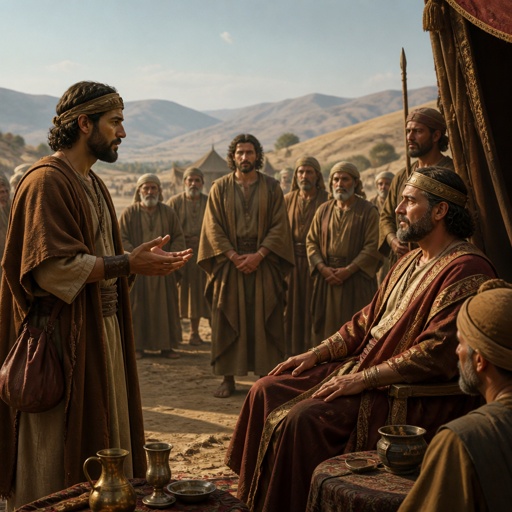
"And said unto him, Thus saith Jephthah, Israel took not away the land of Moab, nor the land of the children of Ammon:" - Judges 11:15

Judges 12:11 - "¶ And after him Elon, a Zebulonite, judged Israel; and he judged Israel ten years."

Judges 15:15 - "And he found a new jawbone of an ass, and put forth his hand, and took it, and slew a thousand men therewith."

1 Corinthians 11:31 - "For if we would judge ourselves, we should not be judged."

Job 31:11 - "For this is an heinous crime; yea, it is an iniquity to be punished by the judges."

Judges 4:15 – "The Lord routed Sisera and all his chariots and army by the sword."

Judges 15:9 - "¶ Then the Philistines went up, and pitched in Judah, and spread themselves in Lehi."

Psalms 148:11 - "Kings of the earth, and all people; princes, and all judges of the earth:"

Judges 2:11 - "¶ And the children of Israel did evil in the sight of the LORD, and served Baalim:"

Judges 11:14 - "And Jephthah sent messengers again unto the king of the children of Ammon:"

Judges 3:11 - "And the land had rest forty years. And Othniel the son of Kenaz died."

Judges 14:11 - "And it came to pass, when they saw him, that they brought thirty companions to be with him."

Judges 21:15 - "And the people repented them for Benjamin, because that the LORD had made a breach in the tribes of Israel."

Judges 12:15 - "And Abdon the son of Hillel the Pirathonite died, and was buried in Pirathon in the land of Ephraim, in the mount of the Amalekites."

Judges 11:11 - "Then Jephthah went with the elders of Gilead, and the people made him head and captain over them: and Jephthah uttered all his words before the LORD in Mizpeh."

Judges 11:4 - "¶ And it came to pass in process of time, that the children of Ammon made war against Israel."

Judges 11:27 - "Wherefore I have not sinned against thee, but thou doest me wrong to war against me: the LORD the Judge be judge this day between the children of Israel and the children of Ammon."

"And he judged Israel in the days of the Philistines twenty years." - Judges 15:20

"Ye judge after the flesh; I judge no man." - John 8:15

1 Samuel 24:15 - "The LORD therefore be judge, and judge between me and thee, and see, and plead my cause, and deliver me out of thine hand."

Judges 17:11 - "And the Levite was content to dwell with the man; and the young man was unto him as one of his sons."