Conquering the Giants: Lessons from Judah’s Battle in Hebron
“And Judah went against the Canaanites that dwelt in Hebron: ( now the name of Hebron before was Kirjath-arba:) and they slew Sheshai, and Ahiman, and Talmai.” — Judges 1:10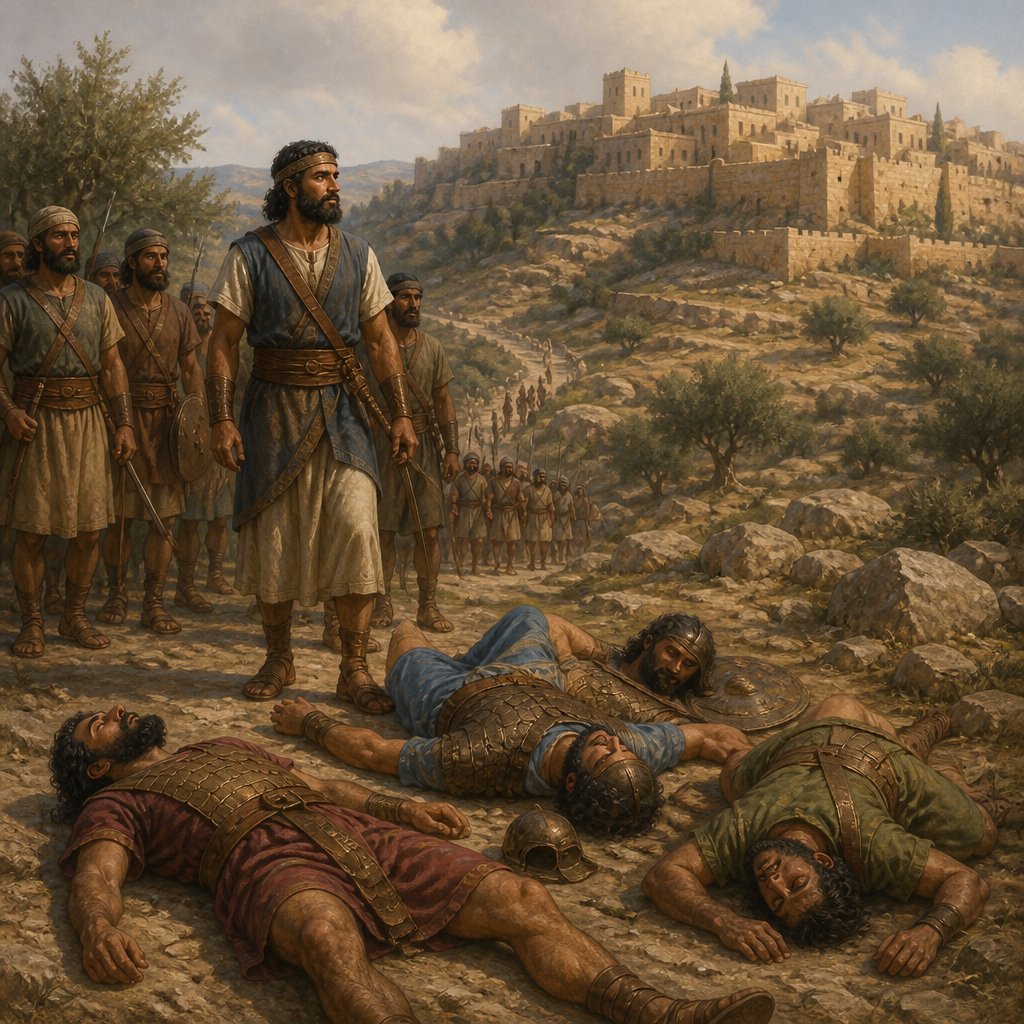
As we reflect on Judges 1:10, "And Judah went against the Canaanites that dwelt in Hebron: (now the name of Hebron before was Kirjath-arba:) and they slew Sheshai, and Ahiman, and Talmai," we find ourselves standing on the precipice of spiritual motivation and empowerment. This verse reveals not just a historical account but a profound truth about the nature of spiritual warfare that each believer faces in their daily walk with God.
In the broader context of the Book of Judges, Israel is at a crucial transition point. After years of wandering in the wilderness, they are stepping into the land God promised them. Yet, with this promise comes a formidable challenge: possessing the land requires courage, faith, and warfare. For the tribe of Judah, the challenge is particularly daunting as they confront the Canaanites—the giants of their day—actively occupying Hebron. This account serves as a reminder to us that stepping into God’s promises often involves facing our own ‘Canaanites,’ or the giants of personal struggles and societal challenges that seem insurmountable.
The mention of "Sheshai, Ahiman, and Talmai" emphasizes the overwhelming odds against Judah. These names represent not just formidable foes but strongholds of fear, intimidation, and despair. In the life of a believer, these could manifest as habits of sin, patterns of doubt, or external pressures that threaten to derail our faith. The names of these giants invite us to identify our own: What do we label as our obstacles? What prevents us from fully embracing God’s call and purpose for our lives?
Judah's readiness to engage in battle underlines the principle of divine assistance. We note that Judah does not go into battle solo; he seeks help from the Lord and moves according to divine strategy. In 2 Chronicles 20:15, God told his people, “The battle is not yours, but God’s.” Just as Judah engaged the Canaanites with expectation and reliance on God’s strength, we are called to face our giants with the assurance that God fights for us.
This confrontation in Hebron is significant because it illustrates a quintessential truth: true victory often comes at a cost. The act of slaying Sheshai, Ahiman, and Talmai was not merely a tactical victory; it was a declaration of faith demonstrating Judah's trust in God. Likewise, our victories in life may require us to confront unyielding challenges, battling through our fears and doubts, and occasionally facing dire consequences. However, the promise of God’s presence gives us the courage to fight and the confidence that we do not stand alone.
This passage also serves to remind us of what we are fighting for. In pursuing our God-given destinies, we must recognize that we are not only battling for ourselves but also for our families, communities, and future generations. Judah’s victory in Hebron paved the way for Israel’s inheritance of the Promised Land. Similarly, when we slay the giants in our lives—addiction, doubt, anger, bitterness—we pave the way for a more liberated and empowered future for ourselves and those around us.
Finally, this verse shifts our gaze from the giants to the God who empowers us. Judah’s battle in Hebron teaches us that no adversary is too mighty when we are anchored in faith. We overcome not by our might but through the divine help that comes from God alone (Zechariah 4:6). As we meditate on this story, let us ask ourselves: What giants am I facing today? How can I invoke God’s power to help me conquer my fears, doubts, and challenges? May we always remember that though we may face giants, we have the mightiest champion in our corner, equipped to win every battle.
In conclusion, let us march forth like Judah, armed with faith, ready to lay claim to the promises of God, and slay the giants that seek to hinder us. The journey of faith may be fraught with challenges, but with God’s guidance and strength, we can emerge victorious.
Get our apps


Artwork for Judges 1:10
Judges 1:10 - "And Judah went against the Canaanites that dwelt in Hebron: (now the name of Hebron before was Kirjath-arba:) and they slew Sheshai, and Ahiman, and Talmai."
"And Judah went against the Canaanites that dwelt in Hebron: (now the name of Hebron before was Kirjath-arba:) and they slew Sheshai, and Ahiman, and Talmai." - Judges 1:10

1 Corinthians 10:15 - "I speak as to wise men; judge ye what I say."

Judges 10:1 - "And after Abimelech there arose to defend Israel Tola the son of Puah, the son of Dodo, a man of Issachar; and he dwelt in Shamir in mount Ephraim."

1 Corinthians 10:29 - "Conscience, I say, not thine own, but of the other: for why is my liberty judged of another man's conscience?"

Judges 10:5 - "And Jair died, and was buried in Camon."

Judges 12:10 - "Then died Ibzan, and was buried at Beth-lehem."

1 Chronicles 17:10 - "And since the time that I commanded judges to be over my people Israel. Moreover I will subdue all thine enemies. Furthermore I tell thee that the LORD will build thee an house."

Judges 10:2 - "And he judged Israel twenty and three years, and died, and was buried in Shamir."

Judges 10:3 - "¶ And after him arose Jair, a Gileadite, and judged Israel twenty and two years."

2 Chronicles 1:10 - "Give me now wisdom and knowledge, that I may go out and come in before this people: for who can judge this thy people, that is so great?"

Judges 9:10 - "And the trees said to the fig tree, Come thou, and reign over us."

"And Jair died, and was buried in Camon." - Judges 10:5

Psalms 2:10 - "Be wise now therefore, O ye kings: be instructed, ye judges of the earth."

Judges 5:10 - "Speak, ye that ride on white asses, ye that sit in judgment, and walk by the way."
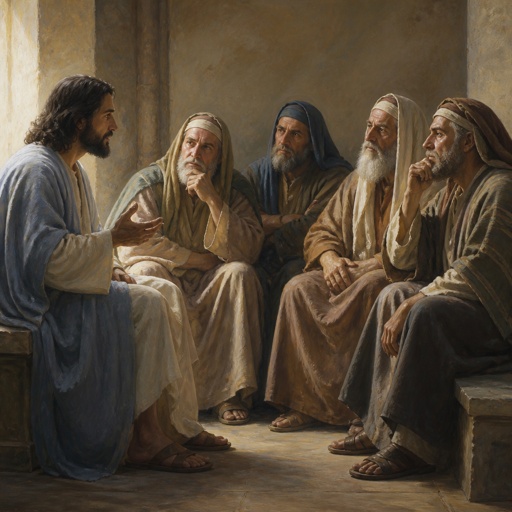
"I speak as to wise men; judge ye what I say." - 1 Corinthians 10:15

Judges 7:10 - "But if thou fear to go down, go thou with Phurah thy servant down to the host:"

Judges 10:10 - "¶ And the children of Israel cried unto the LORD, saying, We have sinned against thee, both because we have forsaken our God, and also served Baalim."

"Then died Ibzan, and was buried at Beth-lehem." - Judges 12:10

Matthew 7:1 - "Judge not, that ye be not judged."

Judges 10:7 - "And the anger of the LORD was hot against Israel, and he sold them into the hands of the Philistines, and into the hands of the children of Ammon."

Judges 10:13 - "Yet ye have forsaken me, and served other gods: wherefore I will deliver you no more."

Judges 4:4

Judges 2:31

Judges 3:31

Judges 10:16 - "And they put away the strange gods from among them, and served the LORD: and his soul was grieved for the misery of Israel."

Judges 10:17 - "Then the children of Ammon were gathered together, and encamped in Gilead. And the children of Israel assembled themselves together, and encamped in Mizpeh."

Matthew 7:1-2 - "Do not judge, or you too will be judged. For in the same way you judge others, you will be judged, and with the measure you use, it will be measured to you."

Judges 11:10 - "And the elders of Gilead said unto Jephthah, The LORD be witness between us, if we do not so according to thy words."

Judges 10:14 - "Go and cry unto the gods which ye have chosen; let them deliver you in the time of your tribulation."