Coexisting in Compromise: Lessons from Judges 1:29
“Neither did Ephraim drive out the Canaanites that dwelt in Gezer; but the Canaanites dwelt in Gezer among them.” — Judges 1:29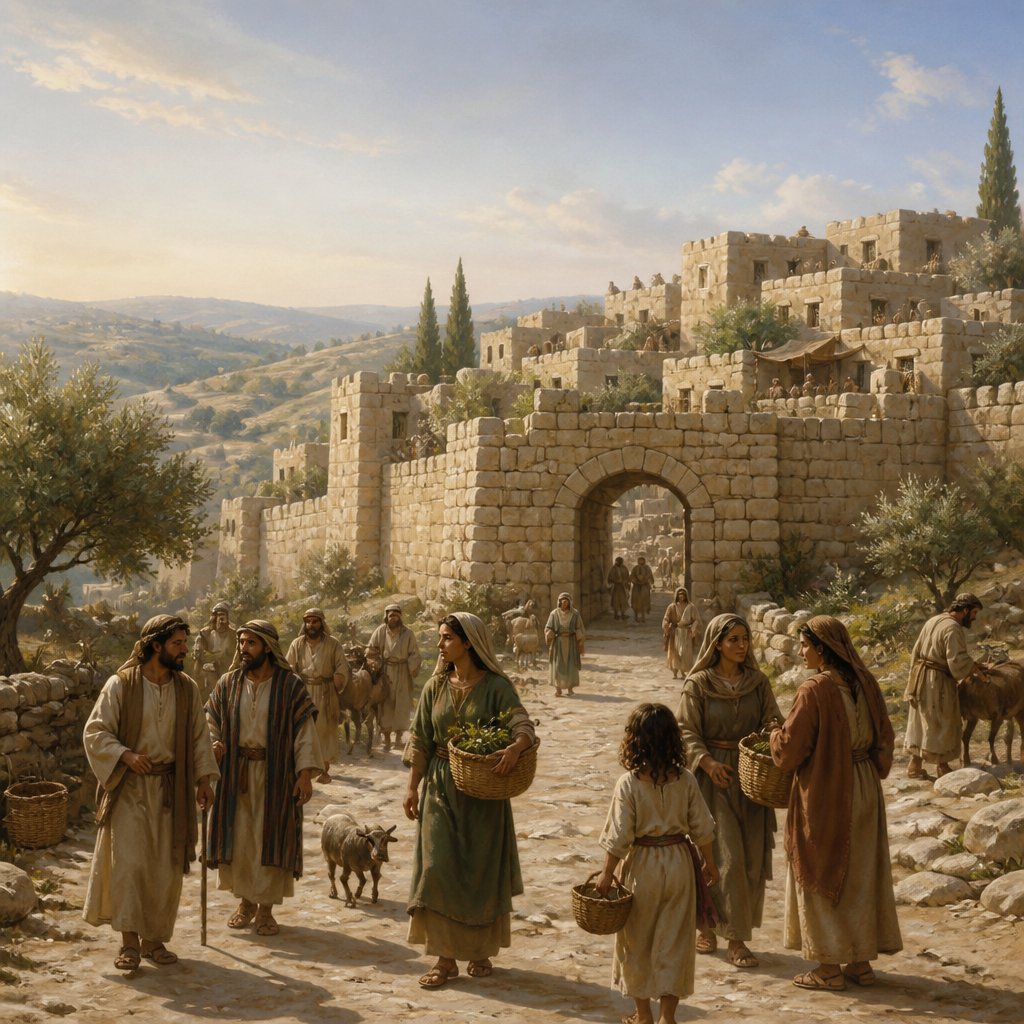
In the Book of Judges, we see a cycle that repeats itself throughout the history of Israel: a pattern of sin, servitude, supplication, and salvation. Judges 1:29 reflects a critical moment that defines the fortunes of the tribes of Israel after they had entered the Promised Land. The verse states, "Neither did Ephraim drive out the Canaanites that dwelt in Gezer; but the Canaanites dwelt in Gezer among them."
At first glance, this may seem like a simple historical account, but it serves as a poignant reminder of the dangers of spiritual complacency and the consequences of coexisting with sin. Ephraim, one of the leading tribes, failed to fulfill God’s command to drive out the enemy and instead allowed the Canaanites to remain among them. This decision, born from a spirit of compromise, carries significant implications for their identity and future.
**Understanding God's command**: When the Israelites entered Canaan, God commanded them to drive out the nations inhabiting the land because these nations represented not just geographical opposition, but spiritual and moral corruption. The Canaanites practiced idolatry and lived in blatant rebellion against God. Ephraim’s failure to drive out the Canaanites was not merely a failure of military might; it was a spiritual failing that demonstrated a lack of commitment to fully obeying God’s will. God had promised them the land and equipped them for victory, yet they chose the path of least resistance.
**Compromise and cohabitation**: The Canaanites living among the Ephraimites serve as a metaphor for the sins and distractions that we allow to cohabitate in our lives. Instead of confronting and eradicating these issues, we often choose to make peace with them. This can manifest as allowing sinful habits, negative influences, or unhealthy relationships to remain in our lives. We may justify these choices, believing we can manage the influence of these negative elements. However, like the Canaanites in Gezer, these influences can lead to a gradual erosion of our values and faith, ultimately causing compromise.
**Consequences of complacency**: The consequences of Ephraim's decision were significant. The Canaanites' presence would lead to future conflicts, temptations, and temptations toward idolatry that would repeatedly draw the Israelites away from their covenant with God. Their unwillingness to act decisively allowed the seeds of compromise to grow, leading to a cycle where the once-strong nation became weakened, spiritually and physically. It is a sobering reminder that failure to act on God's commands can lead us into a cycle of sin that we battle for generations.
**Reflecting on personal compromise**: As contemporary believers, we must examine our own lives in light of this scripture. What Canaanites are we allowing to dwell among us? Are we compromising our morals for convenience? Are we ignoring areas where God calls us to take action? The failure to drive out the presence of sin in our lives can lead us to face dire spiritual consequences. Instead, we should embrace the call to be distinct, to actively seek to remove influences that draw us away from God and hinder our walk of faith.
**A call to action**: The story of Ephraim is a call to acknowledge our areas of complacency and to turn to God for strength and guidance. We need to be as diligent as the Israelites were called to be in becoming instruments of His justice and holiness. Prayerfully seek God for the strength to confront the issues in our lives, the grace to recognize the importance of obedience, and the courage to fully trust in His plan.
Ephraim’s story reminds us that a life lived in the fullness of God’s calling requires decisive action. Let us not settle for coexistence with sin but strive for complete devotion to our Heavenly Father, who desires to walk with us in victory and fullness of life.
Get our apps


Artwork for Judges 1:29
Judges 1:29 - "¶ Neither did Ephraim drive out the Canaanites that dwelt in Gezer; but the Canaanites dwelt in Gezer among them."
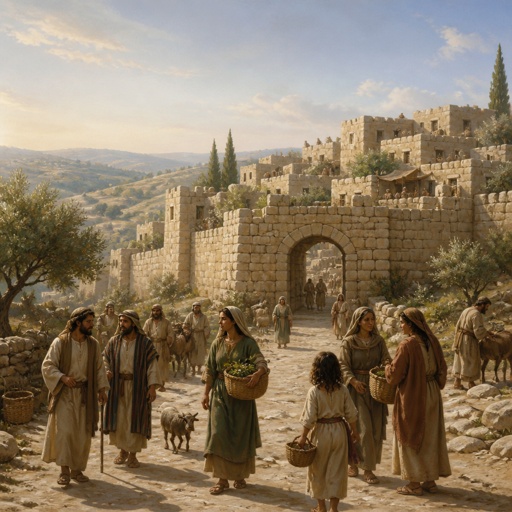
"¶ Neither did Ephraim drive out the Canaanites that dwelt in Gezer; but the Canaanites dwelt in Gezer among them." - Judges 1:29

1 Chronicles 26:29 - "¶ Of the Izharites, Chenaniah and his sons were for the outward business over Israel, for officers and judges."

1 Corinthians 14:29 - "Let the prophets speak two or three, and let the other judge."

1 Corinthians 10:29 - "Conscience, I say, not thine own, but of the other: for why is my liberty judged of another man's conscience?"

Judges 20:29 - "And Israel set liers in wait round about Gibeah."

Judges 8:29 - "And Jerubbaal the son of Joash went and dwelt in his own house."

"¶ Of the Izharites, Chenaniah and his sons were for the outward business over Israel, for officers and judges." - 1 Chronicles 26:29

Judges 5:29 - "Her wise ladies answered her, yea, she returned answer to herself,"

"Let the prophets speak two or three, and let the other judge." - 1 Corinthians 14:29

Gideon's ephod in Judges 8:29 and peoplw worshipping him

Judges 3:29 - "And they slew of Moab at that time about ten thousand men, all lusty, and all men of valour; and there escaped not a man."
"And Israel set liers in wait round about Gibeah." - Judges 20:29

Judges 18:29 - "And they called the name of the city Dan, after the name of Dan their father, who was born unto Israel: howbeit the name of the city was Laish at the first."

Judges 6:29 - "And they said one to another, Who hath done this thing? And when they enquired and asked, they said, Gideon the son of Joash hath done this thing."
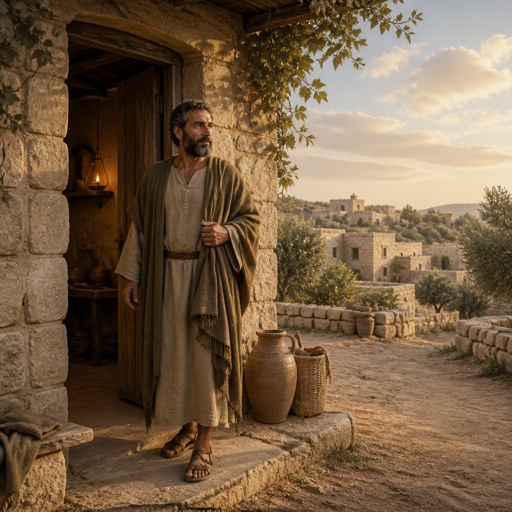
"And Jerubbaal the son of Joash went and dwelt in his own house." - Judges 8:29

Judges 9:29 - "And would to God this people were under my hand! then would I remove Abimelech. And he said to Abimelech, Increase thine army, and come out."
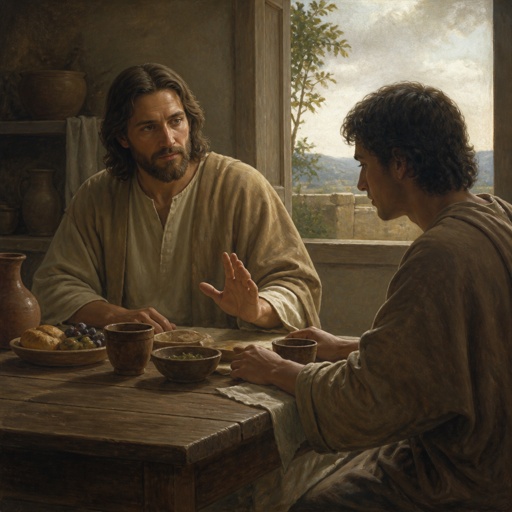
"Conscience, I say, not thine own, but of the other: for why is my liberty judged of another man's conscience?" - 1 Corinthians 10:29

Judges 16:29 - "And Samson took hold of the two middle pillars upon which the house stood, and on which it was borne up, of the one with his right hand, and of the other with his left."
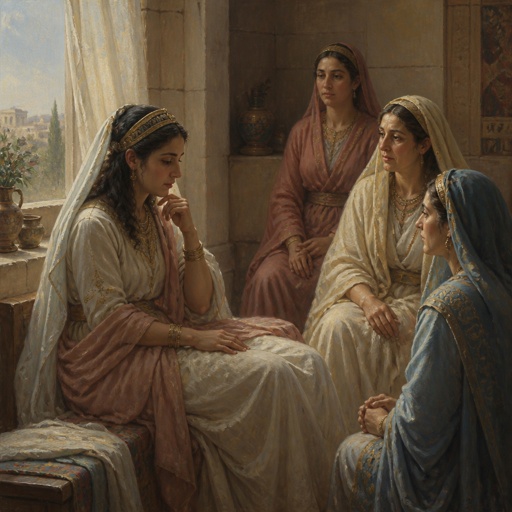
"Her wise ladies answered her, yea, she returned answer to herself," - Judges 5:29

Judges 11:29 - "¶ Then the Spirit of the LORD came upon Jephthah, and he passed over Gilead, and Manasseh, and passed over Mizpeh of Gilead, and from Mizpeh of Gilead he passed over unto the children of Ammon."

Matthew 7:1 - "Judge not, that ye be not judged."

Judges 4:4

Judges 2:31

Judges 3:31

Matthew 7:1-2 - "Do not judge, or you too will be judged. For in the same way you judge others, you will be judged, and with the measure you use, it will be measured to you."

luke 1:29

psalm 29

psalm 29

"Judge not, that ye be not judged." - Matthew 7:1