The Call to Drive Out the Inhabitants: A Lesson from Asher's Reluctance
“Neither did Asher drive out the inhabitants of Accho, nor the inhabitants of Zidon, nor of Ahlab, nor of Achzib, nor of Helbah, nor of Aphik, nor of Rehob:” — Judges 1:31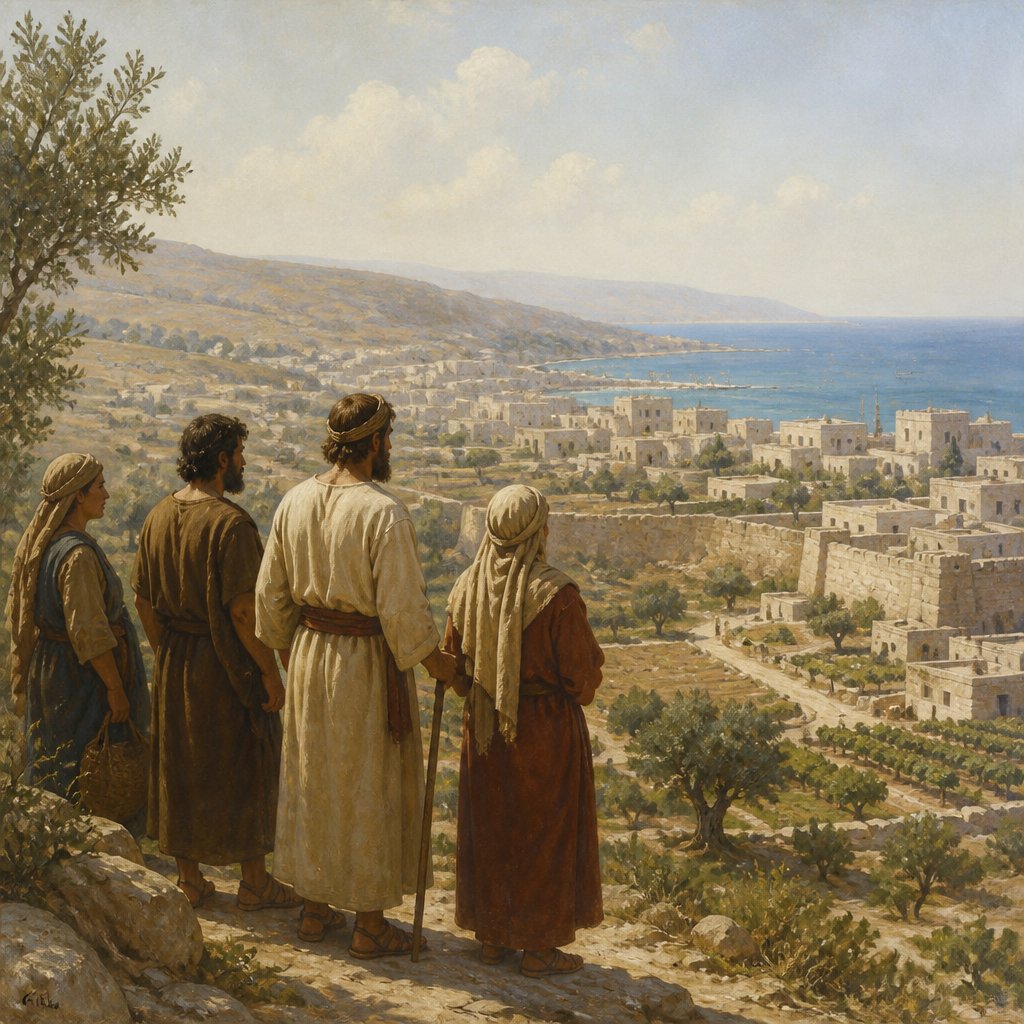
As we reflect upon Judges 1:31 – "Neither did Asher drive out the inhabitants of Accho, nor the inhabitants of Zidon, nor of Ahlab, nor of Achzib, nor of Helbah, nor of Aphik, nor of Rehob," we find ourselves examining not just the actions of the tribe of Asher, but the deeper implications of their choices and how they relate to our spiritual journeys.
The book of Judges is largely a narrative of struggle and triumph, a tale of Israel’s battles as they sought to claim the Promised Land. In this chapter, we see a pattern emerging: the tribes of Israel are called to conquer and drive out the inhabitants of the land. Each tribe was given their mission, a clear directive from God to cleanse the land from its wickedness. However, not all were faithful to this calling. Asher's failure to act embodies a larger spiritual truth—we are often presented with opportunities to rid ourselves of sin and negative influences, yet we hesitate.
Asher's geographical territory was significant; it was located along the coast of the Mediterranean, an area rife with commerce, culture, and the palpable allure of foreign practices. Rather than stepping into their God-given authority and conquering the land, Asher chose to coexist with the inhabitants. This decision is not just a historical note; it reverberates through time as a poignant metaphor for our own lives.
In our Christian walk, we are often confronted with the challenging task of confronting the 'inhabitants' of our hearts—those sinful habits, distractions, and fears that prevent us from fully committing to the faith and calling placed upon our lives. Like the Asherites, we may find ourselves reluctant to drive these things out. The allure of comfort, the fear of conflict, or the temptation to assimilate into an easier path can lead us to compromise our values and convictions.
This gradation of discomfort and compromise is what leads to spiritual stagnation. Not driving out the inhabitants represents a tolerance of evil that can ultimately cushion us in a state of complacency. In a time where moral standards can feel ambiguous and gray, it becomes essential to seek clarity through Scripture. We are called to be warriors for our faith, to cleanse our inner selves of anything that does not align with God's will. The inhabitants that Asher failed to drive out symbolize the spiritual battles we face. Each one represents a vice or sin that can entrap our hearts if left unchecked.
As we ponder why Asher did not drive out these inhabitants, we could conjecture a multitude of reasons: fear of retaliation, a preference for peace over conflict, or perhaps a desire for acceptance among the peoples of the land. In our lives, too, we may prioritize maintaining relationships or staying within our comfort zones rather than addressing the toxic influences around us. But let us draw strength from the Word. Paul writes in 2 Corinthians 10:4 that "the weapons of our warfare are not carnal, but mighty through God to the pulling down of strong holds;" suggesting that we are equipped with the tools we need to confront our challenges.
Let us take a moment of reflection to evaluate our personal territories. What are the inhabitants that we have yet to confront? Is it pride? Anger? Despondency? In a world that often pressures us toward conformity, it is crucial to remember that God has called us to purity and holiness. This requires action—active participation in our spiritual growth. Just as the tribes of Israel had to be brave and bold against formidable foes, we too must embrace courage to expel the presence of sin in our lives.
In conclusion, Judges 1:31 is more than a historical account; it serves as a stark reminder of the importance of diligence in our spiritual lives. Let us not follow in Asher’s footsteps of inaction, but rather engage in the divine battle for our hearts. May we achieve victory by relying on God’s strength, choosing to confront and drive out every aspect of our lives that does not reflect His glory. This is not merely a call to action but a promise of the abundant life that awaits us when we dare to step forward in faith.
Get our apps


Artwork for Judges 1:31

Judges 1:31 - "¶ Neither did Asher drive out the inhabitants of Accho, nor the inhabitants of Zidon, nor of Ahlab, nor of Achzib, nor of Helbah, nor of Aphik, nor of Rehob:"
"¶ Neither did Asher drive out the inhabitants of Accho, nor the inhabitants of Zidon, nor of Ahlab, nor of Achzib, nor of Helbah, nor of Aphik, nor of Rehob:" - Judges 1:31

Judges 2:31

Judges 3:31

1 Corinthians 11:31 - "For if we would judge ourselves, we should not be judged."

"For if we would judge ourselves, we should not be judged." - 1 Corinthians 11:31

Job 31:11 - "For this is an heinous crime; yea, it is an iniquity to be punished by the judges."

Deuteronomy 32:31 - "For their rock is not as our Rock, even our enemies themselves being judges."

Judges 8:31 - "And his concubine that was in Shechem, she also bare him a son, whose name he called Abimelech."

"For this is an heinous crime; yea, it is an iniquity to be punished by the judges." - Job 31:11

Judges 18:31 - "And they set them up Micah's graven image, which he made, all the time that the house of God was in Shiloh."

Proverbs 31:9 - "Open thy mouth, judge righteously, and plead the cause of the poor and needy."

Judges 3:31 - "¶ And after him was Shamgar the son of Anath, which slew of the Philistines six hundred men with an ox goad: and he also delivered Israel."

Job 31:28 - "This also were an iniquity to be punished by the judge: for I should have denied the God that is above."

Judges 9:31 - "And he sent messengers unto Abimelech privily, saying, Behold, Gaal the son of Ebed and his brethren be come to Shechem; and, behold, they fortify the city against thee."

"For their rock is not as our Rock, even our enemies themselves being judges." - Deuteronomy 32:31

Judges 16:31 - "Then his brethren and all the house of his father came down, and took him, and brought him up, and buried him between Zorah and Eshtaol in the buryingplace of Manoah his father. And he judged Israel twenty years."

Genesis 31:53 - "The God of Abraham, and the God of Nahor, the God of their father, judge betwixt us. And Jacob sware by the fear of his father Isaac."

Judges 11:31 - "Then it shall be, that whatsoever cometh forth of the doors of my house to meet me, when I return in peace from the children of Ammon, shall surely be the LORD'S, and I will offer it up for a burnt offering."

Judges 5:31 - "So let all thine enemies perish, O LORD: but let them that love him be as the sun when he goeth forth in his might. And the land had rest forty years."

Matthew 7:1 - "Judge not, that ye be not judged."

Luke 1:31

Judges 4:4
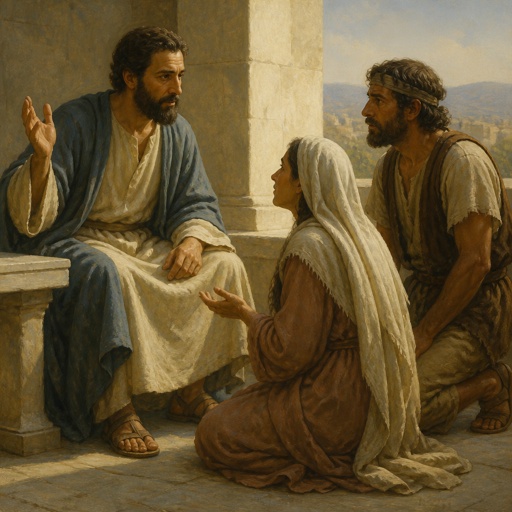
"Open thy mouth, judge righteously, and plead the cause of the poor and needy." - Proverbs 31:9

Matthew 7:1-2 - "Do not judge, or you too will be judged. For in the same way you judge others, you will be judged, and with the measure you use, it will be measured to you."
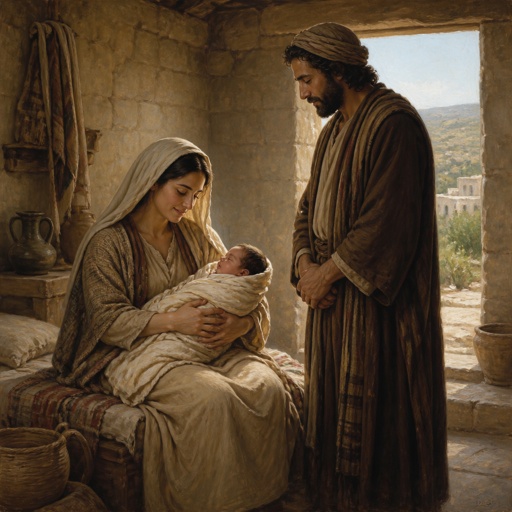
"And his concubine that was in Shechem, she also bare him a son, whose name he called Abimelech." - Judges 8:31

1 Chronicles 1:31 - "Jetur, Naphish, and Kedemah. These are the sons of Ishmael."

Matthew 21:31

Mateo 14:31

Exodus 26:31