United in Resolve: The Power of Collective Commitment
"And all the people arose as one man, saying, We will not any of us go to his tent, neither will we any of us turn into his house." - Judges 20:8
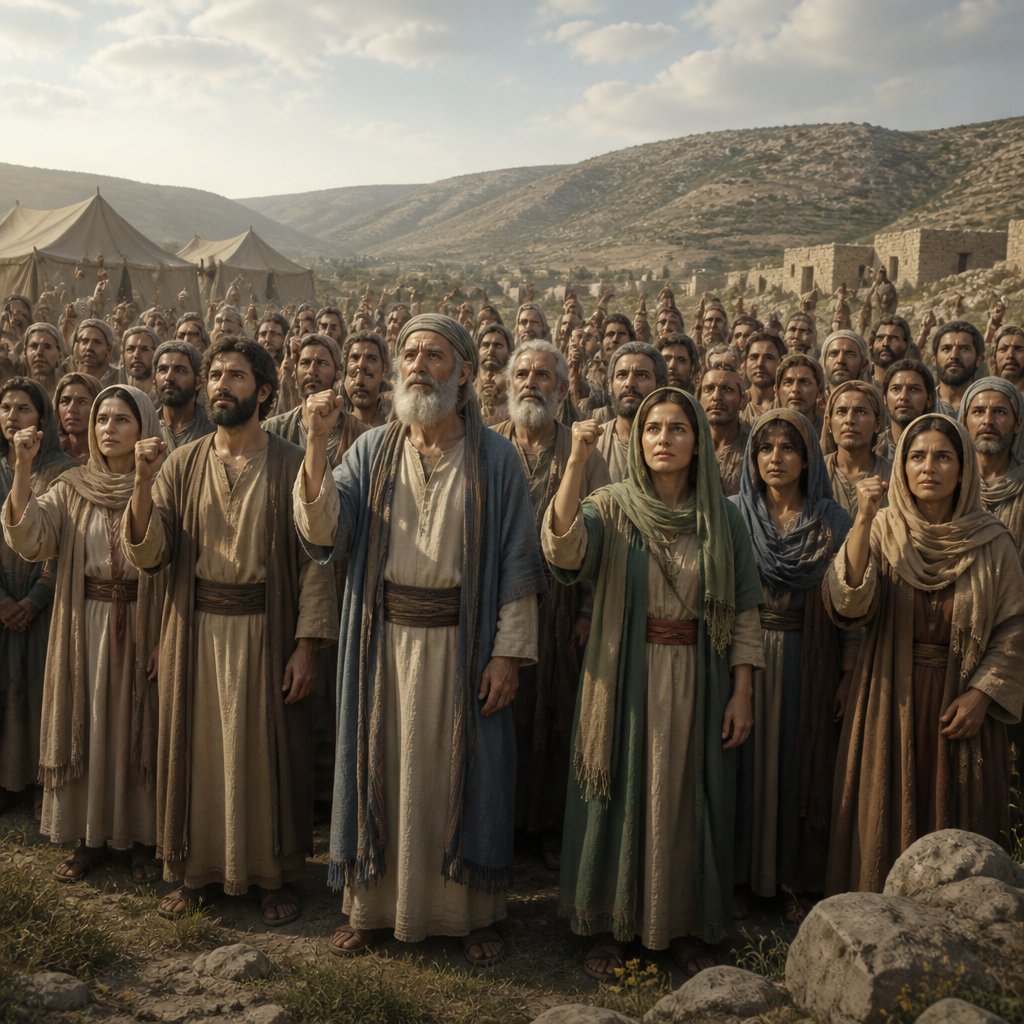
Judges 20:8 KJV states, "And all the people arose as one man, saying, We will not any of us go to his tent, neither will we any of us turn into his house." This verse emerges from a tumultuous period in Israel's history when unity and collective responsibility were paramount. It speaks powerfully about the importance and might that can be found in communal decision-making and the resolve of a people moved by righteousness.
To understand the significance of this verse, we must first look at its context. The nation of Israel was deeply troubled, grappling with the aftermath of a heinous crime in the city of Gibeah. The Levite’s concubine was brutally raped and murdered, sparking outrage. The response of the tribe of Benjamin to protect the perpetrators rather than bring them to justice threw the community into chaos. The Israelites were struck by the gravity of the situation; a collective pain and moral indignation surged among them, urging them not to remain passive.
When we consider the phrase "arose as one man," it symbolizes more than just physical action. It illustrates a profound spiritual and emotional awakening among the people. They transcended their individual identities, emerging united—sharing the same heart and purpose. Such unity is a rarity and a divine gift. In their combined resolve, they expressed a critical thing: that they would not return to their comforts or normalcy until justice was served. Their commitment was resolute: they would not allow individual comforts to distract them from their collective responsibility.
In our current society, this scripture serves as twofold instruction. Firstly, it calls into question our individualistic tendencies, which permeate modern culture. It prompts us to reflect on our choice to prioritize personal ease over the welfare and justice for others. Are we willing to rise as “one man” against social injustices, choose loyalty over complacency, and protect those who cannot defend themselves?
Secondly, it teaches the power of community. This gathering was not merely an assembly of individuals; it was a manifestation of the Body of Christ—a community bound by a moral imperative, a collective conscience. We often consider prayer in isolation, yet corporate prayer carries immense power. When we gather, whether in worship, in fellowship, or in pursuit of justice, our voices merge into a collective offering to God, amplifying our cries and deepening our impact.
Moreover, this passage illustrates that there are moments in life that demand our full attention and concerted action. When the community faces challenges, we must rise together. This principle is vital, especially within the Church. When one part of the body suffers, all suffer. Many are ensnared by the hardships surrounding them: poverty, discrimination, unfair treatment, and spiritual desolation. In response, believers are called to take action collectively, demanding justice and mercy with fervor, not just for themselves, but for those who cannot speak.
Finally, we must also reflect personally on our definition of "tents" and "houses." What comforts or distractions in our lives keep us from stepping into our collective role? Are there sinful habits, prejudices, or apathy that prevent us from fighting for justice? As we ponder this, let us strive to embody the Spirit of this passage—responding as one man, whether in acts of kindness to the needy, biblical discipleship within our communities, or speaking out against injustice.
In conclusion, Judges 20:8 is an enriching reminder of the power found in unity and action. Let us emulate the Israelites' courage—and refuse to retreat to our tents or homes, choosing instead to stand as one man for the causes of righteousness, justice, and love. May we carry this collective spirit into our communities and lives, ever mindful of God's call to unity and active faith.
Want to reflect more on Judges 20:8?
Continue your spiritual journey with Bible Chat — an AI-powered tool for exploring God's Word through conversation. Ask questions, discover connections, and deepen your understanding.
Get Our Apps


Judges 20:8 Artwork

Judges 20:8 - "¶ And all the people arose as one man, saying, We will not any of us go to his tent, neither will we any of us turn into his house."
"¶ And all the people arose as one man, saying, We will not any of us go to his tent, neither will we any of us turn into his house." - Judges 20:8

Judges 8:20 - "And he said unto Jether his firstborn, Up, and slay them. But the youth drew not his sword: for he feared, because he was yet a youth."

1 Samuel 8:20 - "That we also may be like all the nations; and that our king may judge us, and go out before us, and fight our battles."

Judges 15:20 - "And he judged Israel in the days of the Philistines twenty years."

Judges 20:29 - "And Israel set liers in wait round about Gibeah."

Judges 20:20 - "And the men of Israel went out to battle against Benjamin; and the men of Israel put themselves in array to fight against them at Gibeah."

Judges 9:8-15

Judges 20:19 - "And the children of Israel rose up in the morning, and encamped against Gibeah."

Judges 5:20 - "They fought from heaven; the stars in their courses fought against Sisera."

Judges 21:20 - "Therefore they commanded the children of Benjamin, saying, Go and lie in wait in the vineyards;"

John 8:15 - "Ye judge after the flesh; I judge no man."

Judges 12:8 - "¶ And after him Ibzan of Beth-lehem judged Israel."

Judges 20:27 - "And the children of Israel enquired of the LORD, (for the ark of the covenant of God was there in those days,"

Judges 20:44 - "And there fell of Benjamin eighteen thousand men; all these were men of valour."

Judges 20:24 - "And the children of Israel came near against the children of Benjamin the second day."

Judges 20:7 - "Behold, ye are all children of Israel; give here your advice and counsel."

Ezekiel 20:4 - "Wilt thou judge them, son of man, wilt thou judge them? cause them to know the abominations of their fathers:"

Judges 14:20 - "But Samson's wife was given to his companion, whom he had used as his friend."

Judges 1:20 - "And they gave Hebron unto Caleb, as Moses said: and he expelled thence the three sons of Anak."

"And he judged Israel in the days of the Philistines twenty years." - Judges 15:20

Judges 18:20 - "And the priest's heart was glad, and he took the ephod, and the teraphim, and the graven image, and went in the midst of the people."

Judges 20:9 - "But now this shall be the thing which we will do to Gibeah; we will go up by lot against it;"

Judges 20:11 - "So all the men of Israel were gathered against the city, knit together as one man."
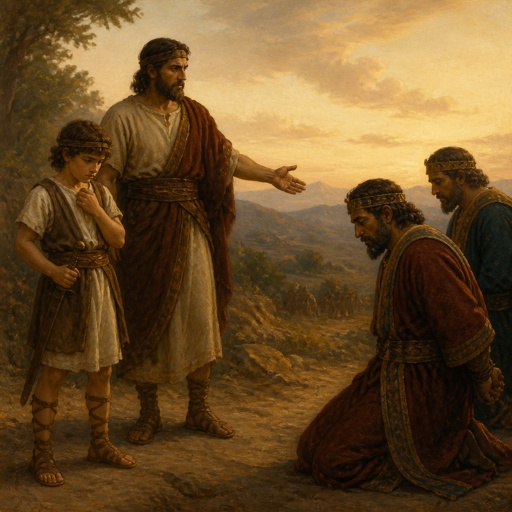
"And he said unto Jether his firstborn, Up, and slay them. But the youth drew not his sword: for he feared, because he was yet a youth." - Judges 8:20

Judges 8:17 - "And he beat down the tower of Penuel, and slew the men of the city."

Judges 8:29 - "And Jerubbaal the son of Joash went and dwelt in his own house."

Proverbs 8:16 - "By me princes rule, and nobles, even all the judges of the earth."

Judges 8:13 - "¶ And Gideon the son of Joash returned from battle before the sun was up,"

Judges 20:47 - "But six hundred men turned and fled to the wilderness unto the rock Rimmon, and abode in the rock Rimmon four months."