Grace in the Midst of Brokenness
“And it shall be, when their fathers or their brethren come unto us to complain, that we will say unto them, Be favourable unto them for our sakes: because we reserved not to each man his wife in the war: for ye did not give unto them at this time, that ye should be guilty.” — Judges 21:22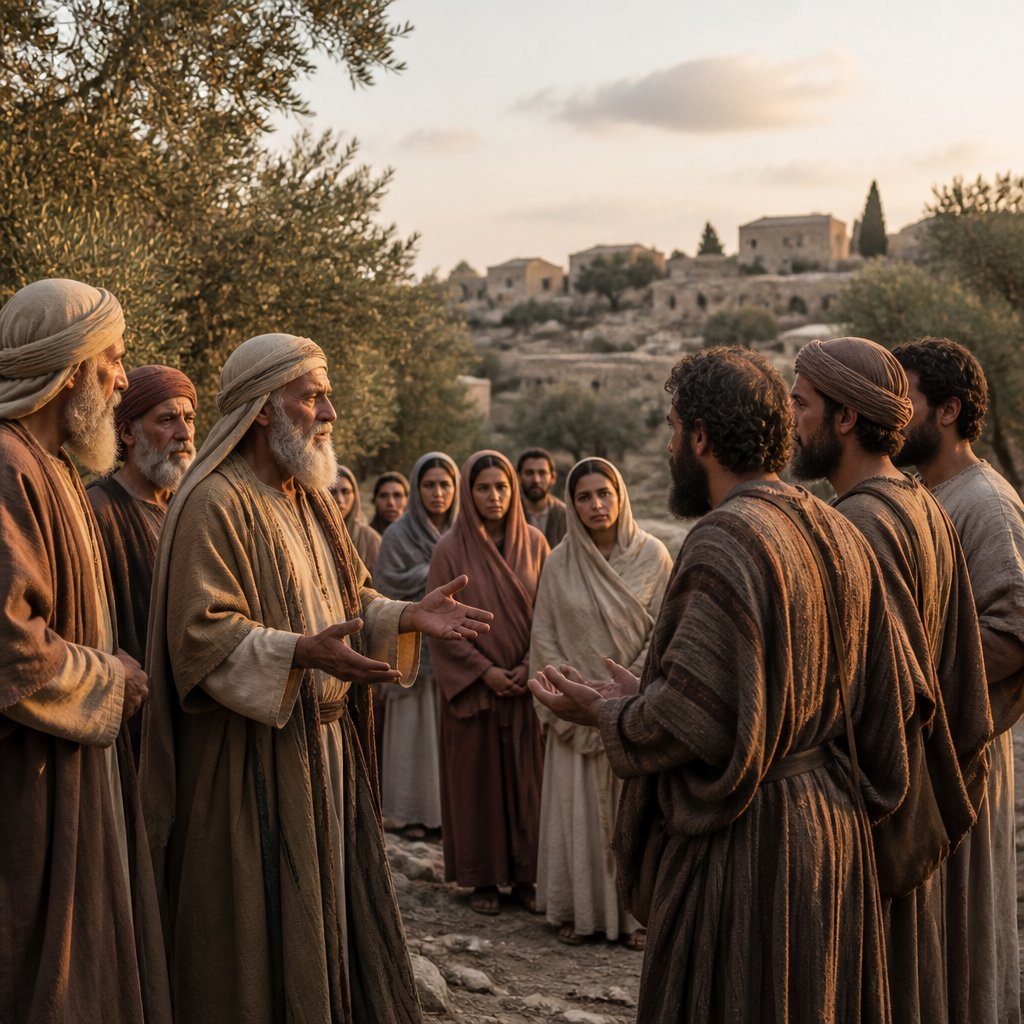
The verse from Judges 21:22 states, "And it shall be, when their fathers or their brethren come unto us to complain, that we will say unto them, Be favourable unto them for our sakes: because we reserved not to each man his wife in the war: for ye did not give unto them at this time, that ye should be guilty." At first glance, this verse may seem puzzling or even troubling. The backdrop is the tragic aftermath of a civil conflict in Israel where the Benjaminites were left with few women to marry after the war. To restore them, the Israelites concocted a plan that ultimately reveals themes of grace, mercy, and the flawed human condition.
To grasp the weight of this verse, we must examine its historical context. The nation of Israel was facing the consequences of their choices after the moral decay and infighting that led to civil war against the tribe of Benjamin. The consequences were severe: the covenant community was nearly torn apart. As the other tribes of Israel sought to rectify the situation, their solution was both ingenious and somewhat desperate. They recognized the emotional and social ramifications of their actions, intending to restore families without carrying the burden of guilt further.
This brings us to a central theme of grace. The Israelites endeavored to be favorable to the Benjaminites for their own sakes, acknowledging that they were complicit in the humanitarian crisis that ensued from their own decisions. In doing so, they recognized a shared responsibility for the people’s well-being, a reminder of our interconnectedness in this life. The way these tribes acted emphasizes the importance of grace, highlighting that we often exist in relation to others and that our responsibilities extend beyond our immediate circles.
In the New Testament, grace is thoroughly established through Christ’s redemptive work. While Judges presents a narrative of human error and moral ambiguity, it also points towards a deeper understanding of need: our need for grace, forgiveness, and restoration. The Israelites' plea to those who would complain reflects how, even in a broken world, mercy should abound rather than condemnation. Just as Christ teaches us to forgive others so our Heavenly Father may forgive us (Matthew 6:14-15), here, too, we see the Israelites searching for a way to rectify past indifference with kindness.
Within this narrative exists a notion that speaks to the heart of our human experience: often, we are the architects of circumstances that lead to pain or disappointment, not just for ourselves but for others. Yet, there exists a pathway toward reconciliation and healing—a poignant reminder to us all. The Israelites might bear guilt, but they sought solutions through compassion, attempting to grace each other’s brokenness through mutual assistance.
Reflecting upon this, we are called to examine our own lives. Who are the “Benjaminites” around us, the people left wounded by our past actions? Are we being favorable towards them, or are we, like the complaint-bearers, hesitant to get involved? This text invites us to extend grace where it may seem undeserved, creating space for healing and restoration. This exercise in grace can be a radical act in our otherwise self-centered world.
Moreover, this theme resonates profoundly with the Gospel’s call to love the marginalized, the undeserving, and even our enemies. It reminds us not to underestimate the power of our words and choices. Every decision we make can affect someone else profoundly, and every act of kindness may ripple into another heart.
As we meditate on Judges 21:22, let us ask God for the ability to be agents of grace, to extend mercy and favor to those around us. May we be ever mindful of others' pain and disregard our guilt in favor of collaboration in love. In doing so, we reflect the divine grace we received through Christ, turning a history of conflict into a legacy of healing. Amen.
Get our apps


Artwork for Judges 21:22
Judges 21:22 - "And it shall be, when their fathers or their brethren come unto us to complain, that we will say unto them, Be favourable unto them for our sakes: because we reserved not to each man his wife in the war: for ye did not give unto them at this time, that ye should be guilty."
"And it shall be, when their fathers or their brethren come unto us to complain, that we will say unto them, Be favourable unto them for our sakes: because we reserved not to each man his wife in the war: for ye did not give unto them at this time, that ye should be guilty." - Judges 21:22
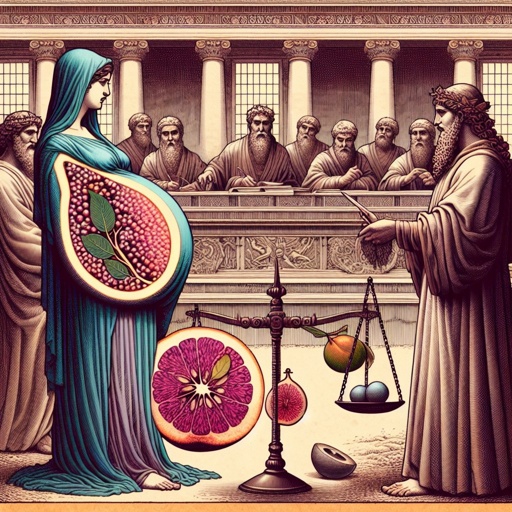
Exodus 21:22 - "¶ If men strive, and hurt a woman with child, so that her fruit depart from her, and yet no mischief follow: he shall be surely punished, according as the woman's husband will lay upon him; and he shall pay as the judges determine."

Job 21:22 - "Shall any teach God knowledge? seeing he judgeth those that are high."

Judges 9:22 - "¶ When Abimelech had reigned three years over Israel,"

Judges 5:22 - "Then were the horsehoofs broken by the means of the pransings, the pransings of their mighty ones."

Matthew 9:21-22

Judges 21:20 - "Therefore they commanded the children of Benjamin, saying, Go and lie in wait in the vineyards;"

Judges 21:9 - "For the people were numbered, and, behold, there were none of the inhabitants of Jabesh-gilead there."

Matthew 9:21-22

Matthew 9:21-22

Matthew 9:21-22

Matthew 9:21-22

Judges 1:22 - "¶ And the house of Joseph, they also went up against Beth-el: and the LORD was with them."

Judges 16:22 - "Howbeit the hair of his head began to grow again after he was shaven."

Judges 18:21 - "So they turned and departed, and put the little ones and the cattle and the carriage before them."

Judges 21:17 - "And they said, There must be an inheritance for them that be escaped of Benjamin, that a tribe be not destroyed out of Israel."

Judges 9:21 - "And Jotham ran away, and fled, and went to Beer, and dwelt there, for fear of Abimelech his brother."

Genesis 21:22

Genesis 22-21

Judges 21:15 - "And the people repented them for Benjamin, because that the LORD had made a breach in the tribes of Israel."

Judges 21:25 - "In those days there was no king in Israel: every man did that which was right in his own eyes."

Judges 21:21 - "And see, and, behold, if the daughters of Shiloh come out to dance in dances, then come ye out of the vineyards, and catch you every man his wife of the daughters of Shiloh, and go to the land of Benjamin."

2 Kings 23:22 - "Surely there was not holden such a passover from the days of the judges that judged Israel, nor in all the days of the kings of Israel, nor of the kings of Judah;"

Acts 1:21-22

Judges 21:4 - "And it came to pass on the morrow, that the people rose early, and built there an altar, and offered burnt offerings and peace offerings."

Judges 7:21 - "And they stood every man in his place round about the camp: and all the host ran, and cried, and fled."

Judges 13:21 - "But the angel of the LORD did no more appear to Manoah and to his wife. Then Manoah knew that he was an angel of the LORD."

Acts 1:21-22

Judges 13:22 - "And Manoah said unto his wife, We shall surely die, because we have seen God."