The Dangers of Forsaking Our First Love
"And they forsook the LORD God of their fathers, which brought them out of the land of Egypt, and followed other gods, of the gods of the people that were round about them, and bowed themselves unto them, and provoked the LORD to anger." - Judges 2:12
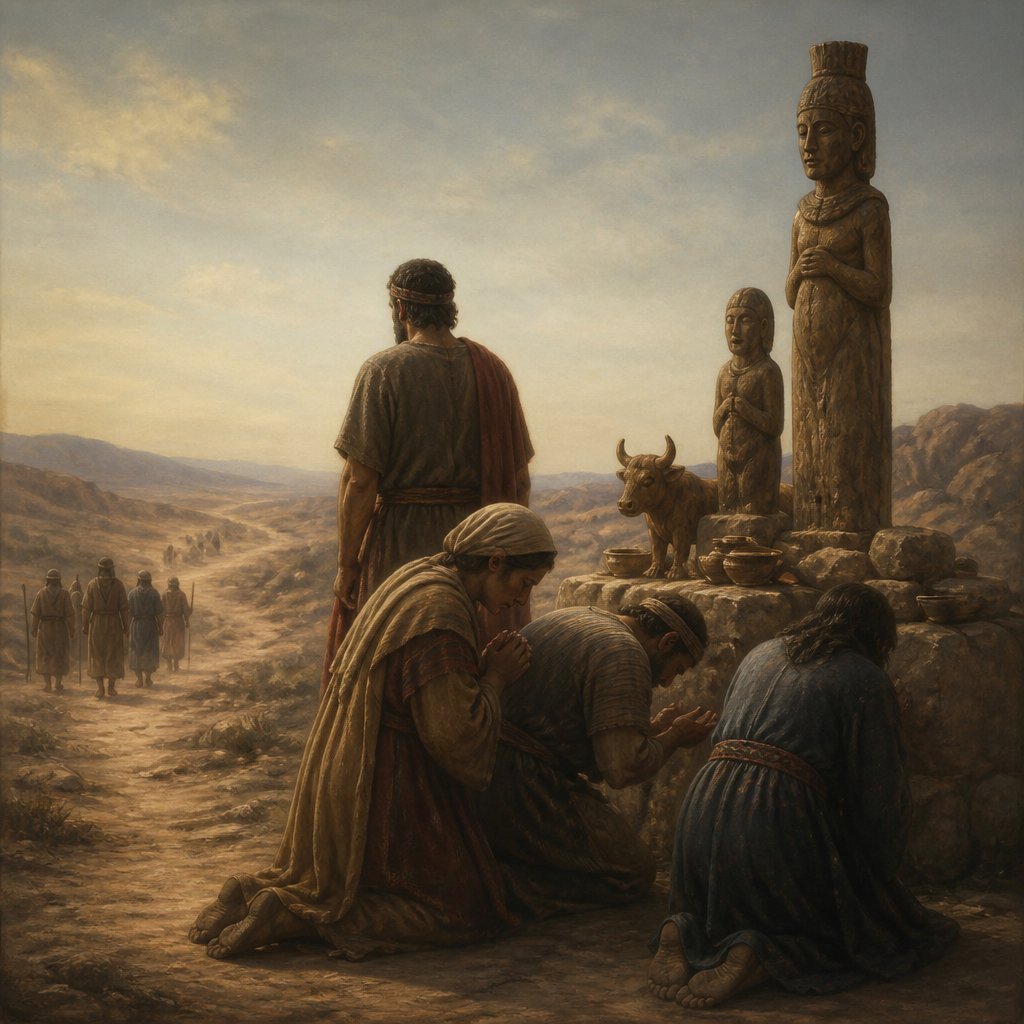
In Judges 2:12, we are confronted with a somber and poignant reminder of what it means to forsake the God who has been ever faithful to His people. The verse reads: "And they forsook the LORD God of their fathers, which brought them out of the land of Egypt, and followed other gods, of the gods of the people that were round about them, and bowed themselves unto them, and provoked the LORD to anger." This passage opens a window into the heart of Israel's chronic struggle: the perils of forgetting Yahweh in favor of foreign influences.
The historical context of Judges reveals a nation in turmoil after the death of Joshua, their leader who had guided them into the Promised Land. With the absence of strong leadership, the Israelites were left vulnerable, and that vulnerability manifested itself in a spiritual drift away from God. This call to remembrance serves as a profound lesson about the dangers of complacency in our faith.
First, let us consider what it means to "forsake" the Lord. The Israelites had experienced firsthand the miraculous deliverance from Egypt; they witnessed His mighty hand part the Red Sea and witnessed the sustaining manna in the wilderness. Yet, despite these powerful experiences of faith, they turned their backs on the very God who had delivered them. This abandonment showcases the potential for spiritual amnesia—a theme seen throughout scripture. How often do we too find ourselves turning away from God after experiencing His goodness?
Forsaking God often leads to worship, or bowing down to "other gods." In Israel's case, these were the deities of surrounding nations, but in our present-day context, they could manifest in the allure of materialism, secular values, or any number of idols that demand our attention and loyalty. The danger lies in the subtlety of these other gods; they often present themselves as more appealing alternatives to the demanding path of discipleship and obedience to God. We can easily find ourselves distracted by the comforts of modern life—careers, social media, or the pursuit of pleasure. Each of these can become a god that demands our time and affection, pulling our hearts away from the Lord.
Furthermore, the act of "bowing" to these gods is not merely a matter of physical posture but a definitive choice. It represents allegiance, loyalty, and love. When we prioritize these distractions over our relationship with God, we turn our hearts away from Him and ultimately provoke His anger. This is not a God quick to wrath but a loving Father who yearns for our faithfulness. The anger provoked is a reaction to His great love for us; it starkly illustrates the consequences of a broken relationship that He desires to restore.
In response to such sobering truths, the question arises: How can we ensure that we do not forsake our first love? First and foremost, it is imperative to maintain a vibrant, ongoing relationship with God. This involves regular prayer, immersing ourselves in Scripture, and seeking fellowship with other believers. Each of these practices keeps us grounded and reminds us of the God who saved us.
Additionally, we must remain vigilant against the cultural pressures that seek to undermine our faith. It requires a deliberate effort to identify and dismantle any idols that might have emerged in our hearts. We must ask ourselves: What captures our time, energy, and thoughts? What are the things that distract us from our devotion to God? Identifying these helps us address the root causes of our wandering hearts.
Lastly, we should approach God with a humble heart, asking for His forgiveness for any ways in which we may have followed other paths and seeking His strength to help us return to Him. He is always waiting with open arms to welcome us back into right fellowship.
As we reflect on Judges 2:12, let it serve as a clarion call to evaluate our devotion, reignite our passion for the Lord, and ensure we remain anchored in the truth of His faithfulness. May we, unlike the Israelites, be a generation that remembers, reveres, and rejoices in the God who brought us out of our own Egypts.
Want to reflect more on Judges 2:12?
Continue your spiritual journey with Bible Chat — an AI-powered tool for exploring God's Word through conversation. Ask questions, discover connections, and deepen your understanding.
Get Our Apps


Judges 2:12 Artwork

Judges 2:12 - "And they forsook the LORD God of their fathers, which brought them out of the land of Egypt, and followed other gods, of the gods of the people that were round about them, and bowed themselves unto them, and provoked the LORD to anger."
"And they forsook the LORD God of their fathers, which brought them out of the land of Egypt, and followed other gods, of the gods of the people that were round about them, and bowed themselves unto them, and provoked the LORD to anger." - Judges 2:12

James 2:12 - "So speak ye, and so do, as they that shall be judged by the law of liberty."

Judges 12:12 - "And Elon the Zebulonite died, and was buried in Aijalon in the country of Zebulun."
Judges 12:2 - "And Jephthah said unto them, I and my people were at great strife with the children of Ammon; and when I called you, ye delivered me not out of their hands."

Judges 12:11 - "¶ And after him Elon, a Zebulonite, judged Israel; and he judged Israel ten years."

Romans 2:12 - "For as many as have sinned without law shall also perish without law: and as many as have sinned in the law shall be judged by the law;"

Judges 12:8 - "¶ And after him Ibzan of Beth-lehem judged Israel."

Judges 12:10 - "Then died Ibzan, and was buried at Beth-lehem."

Judges 12:13 - "¶ And after him Abdon the son of Hillel, a Pirathonite, judged Israel."
"So speak ye, and so do, as they that shall be judged by the law of liberty." - James 2:12

"And Elon the Zebulonite died, and was buried in Aijalon in the country of Zebulun." - Judges 12:12

Job 12:17 - "He leadeth counsellors away spoiled, and maketh the judges fools."

Judges 12:7 - "And Jephthah judged Israel six years. Then died Jephthah the Gileadite, and was buried in one of the cities of Gilead."

Judges 4:12 - "And they shewed Sisera that Barak the son of Abinoam was gone up to mount Tabor."

Judges 9:12 - "Then said the trees unto the vine, Come thou, and reign over us."

Judges 17:12 - "And Micah consecrated the Levite; and the young man became his priest, and was in the house of Micah."

1 Corinthians 5:12 - "For what have I to do to judge them also that are without? do not ye judge them that are within?"

John 12:47 - "And if any man hear my words, and believe not, I judge him not: for I came not to judge the world, but to save the world."

Judges 2:16 - "¶ Nevertheless the LORD raised up judges, which delivered them out of the hand of those that spoiled them."

Judges 12:15 - "And Abdon the son of Hillel the Pirathonite died, and was buried in Pirathon in the land of Ephraim, in the mount of the Amalekites."

Judges 2:31

Judges 12:14 - "And he had forty sons and thirty nephews, that rode on threescore and ten ass colts: and he judged Israel eight years."

2 Chronicles 20:12 - "O our God, wilt thou not judge them? for we have no might against this great company that cometh against us; neither know we what to do: but our eyes are upon thee."

"¶ And after him Ibzan of Beth-lehem judged Israel." - Judges 12:8

"Then died Ibzan, and was buried at Beth-lehem." - Judges 12:10

"¶ And after him Elon, a Zebulonite, judged Israel; and he judged Israel ten years." - Judges 12:11

Matthew 7:1-2 - "Do not judge, or you too will be judged. For in the same way you judge others, you will be judged, and with the measure you use, it will be measured to you."

"¶ And after him Abdon the son of Hillel, a Pirathonite, judged Israel." - Judges 12:13

Judges 6:12 - "And the angel of the LORD appeared unto him, and said unto him, The LORD is with thee, thou mighty man of valour."