The Cry of Bochim: A Call to Authentic Sacrifice
“And they called the name of that place Bochim: and they sacrificed there unto the LORD.” — Judges 2:5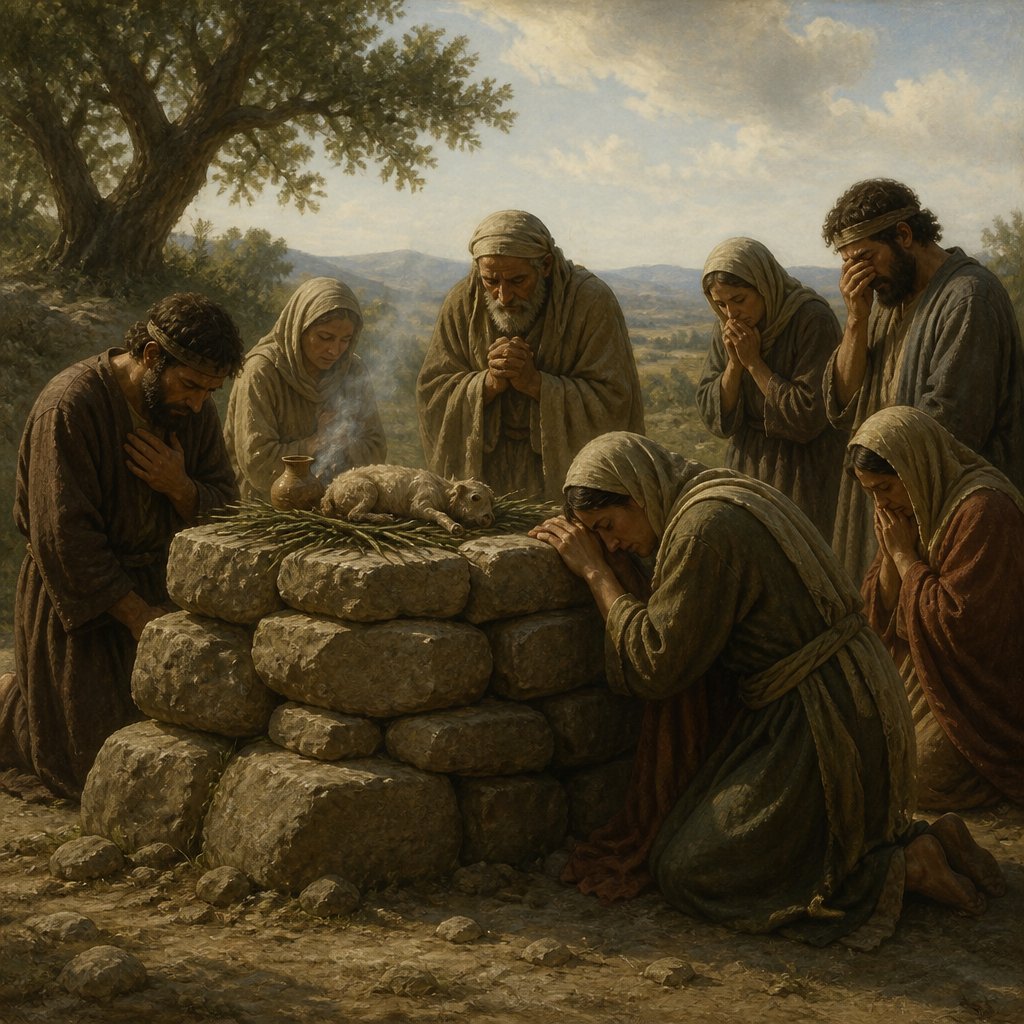
Judges 2:5 teaches us about a crucial moment in the Israelites’ journey—"And they called the name of that place Bochim: and they sacrificed there unto the LORD." This verse encapsulates a response, a recognition of sin, and a commitment to the Lord amidst their struggles. Bochim, or ‘the place of weeping,’ becomes a poignant reminder of the Israelites’ deep sorrow over their failure to adhere to God’s commandments. In a world increasingly distracted by its own desires and distractions, we can glean valuable lessons from the tears and commitments at Bochim.
As we explore this verse, we see the Israelites arriving at a critical juncture, where they confront their transgressions following the death of Joshua, their leader. With no one to guide them, the Israelites succumbed to the temptations surrounding them, losing sight of the covenant made with God. This moment of reflection and sorrow is not merely about regret; it is about acknowledgment and repentance. They recognized their failures and chose to express their grief through sacrifice—a powerful gesture of worship and commitment to the Lord.
In our own lives, it’s easy to become desensitized to our shortcomings when we are faced with the overwhelming tide of worldly enticements. We might find ourselves mirroring the Israelites' plight; we live in grace yet sometimes stray into sin, neglecting the sacred relationship we have with our Creator. Just as the Israelites wept at Bochim, we too need moments of reflection where we can confront our hearts.
The act of sacrifice mentioned in Judges 2:5 was significant. It was a physical and spiritual response to their wrongdoings. When we think of sacrifice today, it goes beyond literal offerings; it speaks to our heart posture—including our time, attention, and devotion to God. The sacrifices we make must reflect authenticity, originating from a place of sincerity and love, not obligation. Jesus has made the ultimate sacrifice for us, yet He desires our heartfelt offerings as an expression of our gratitude.
The indignation felt at Bochim reflects despair over the consequences of disobedience yet reveals a deeper layer of hope and restoration. When we bring our sorrow before the Lord and lay our burdens at His feet, He meets us in our brokenness. As we approach God in repentance, we find His grace abounds even more, enabling us to recalibrate our lives in alignment with His will. The tears at Bochim can serve as a catalyst for revival in our own faith journeys.
How often do we find ourselves at our own ‘Bochim’? A place where we realize our shortcomings and weep not only over our pain but also over our distance from God? This cry can lead us back to the altar where we surrender our will and desires, allowing God to transform our heart.
Moreover, Bochim is a call to communal repentance. The Israelites collectively acknowledged their failures and turned back to God. We live in a community of believers, and there is something incredibly powerful about praying and acknowledging our struggles together, offering our sacrifices as one body. When we unite in our worship and confession, we cultivate an environment of healing, grace, and restoration.
As we meditate on Judges 2:5, let us contemplate the significance of our sacrifices. Are we offering mere leftovers of our time and affections? Or are we seeking after God’s heart with all that we are? As we strive to draw closer to Him, may our offerings resonate from the depths of genuine love and longing. Like those at Bochim, may we sacrifice not out of obligation but out of passionate worship, recognizing His mercy and grace that beckon us to return to Him.
In closing, let us bridge the emotional resonance of Bochim with our daily lives. We have the opportunity to weep and sacrifice in places of worship, in solitude, or through service to others, radiating the love of Christ to the world. Let our tears and sacrifices be for His glory, leading not just to personal reconciliation, but to collective redemption.
Get our apps


Artwork for Judges 2:5

Judges 2:5 - "And they called the name of that place Bochim: and they sacrificed there unto the LORD."
"And they called the name of that place Bochim: and they sacrificed there unto the LORD." - Judges 2:5

Judges 5:2 - "Praise ye the LORD for the avenging of Israel, when the people willingly offered themselves."

2 Chronicles 19:5 - "¶ And he set judges in the land throughout all the fenced cities of Judah, city by city,"

Judges 5:7

2 Corinthians 5:14 - "For the love of Christ constraineth us; because we thus judge, that if one died for all, then were all dead:"
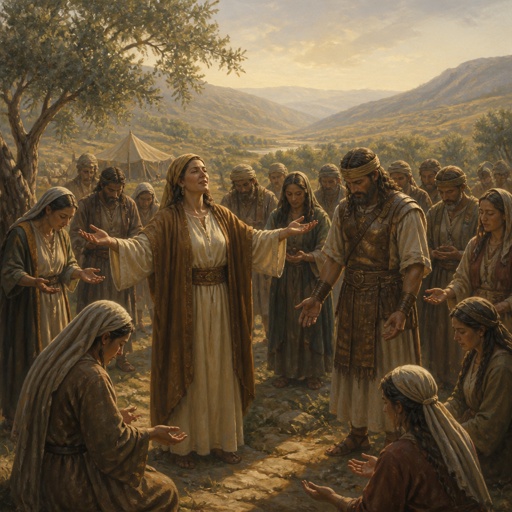
"Praise ye the LORD for the avenging of Israel, when the people willingly offered themselves." - Judges 5:2

Judges 10:5 - "And Jair died, and was buried in Camon."

Judges 5:5 - "The mountains melted from before the LORD, even that Sinai from before the LORD God of Israel."

"¶ And he set judges in the land throughout all the fenced cities of Judah, city by city," - 2 Chronicles 19:5

Judges 5:1 - "Then sang Deborah and Barak the son of Abinoam on that day, saying,"

2 Kings 15:5 - "¶ And the LORD smote the king, so that he was a leper unto the day of his death, and dwelt in a several house. And Jotham the king's son was over the house, judging the people of the land."

Judges 5:20 - "They fought from heaven; the stars in their courses fought against Sisera."

Judges 5:22 - "Then were the horsehoofs broken by the means of the pransings, the pransings of their mighty ones."

Judges 2:16 - "¶ Nevertheless the LORD raised up judges, which delivered them out of the hand of those that spoiled them."

"And Jair died, and was buried in Camon." - Judges 10:5

Judges 2:31

Judges 5:29 - "Her wise ladies answered her, yea, she returned answer to herself,"

Judges 5:10 - "Speak, ye that ride on white asses, ye that sit in judgment, and walk by the way."

Judges 1:5 - "And they found Adoni-bezek in Bezek: and they fought against him, and they slew the Canaanites and the Perizzites."

1 Corinthians 5:12 - "For what have I to do to judge them also that are without? do not ye judge them that are within?"

Judges 3:5 - "¶ And the children of Israel dwelt among the Canaanites, Hittites, and Amorites, and Perizzites, and Hivites, and Jebusites:"

Judges 5:18 - "Zebulun and Naphtali were a people that jeoparded their lives unto the death in the high places of the field."

Judges 5:19 - "The kings came and fought, then fought the kings of Canaan in Taanach by the waters of Megiddo; they took no gain of money."

Judges 5:8 - "They chose new gods; then was war in the gates: was there a shield or spear seen among forty thousand in Israel?"

Matthew 7:1-2 - "Do not judge, or you too will be judged. For in the same way you judge others, you will be judged, and with the measure you use, it will be measured to you."

Jeremiah 5:28 - "They are waxen fat, they shine: yea, they overpass the deeds of the wicked: they judge not the cause, the cause of the fatherless, yet they prosper; and the right of the needy do they not judge."

Judges 5:7 - "The inhabitants of the villages ceased, they ceased in Israel, until that I Deborah arose, that I arose a mother in Israel."

Judges 5:9 - "My heart is toward the governors of Israel, that offered themselves willingly among the people. Bless ye the LORD."

Judges 5:6 - "In the days of Shamgar the son of Anath, in the days of Jael, the highways were unoccupied, and the travellers walked through byways."