From Despair to Deliverance: The Power of Crying Out to God
“And Israel was greatly impoverished because of the Midianites; and the children of Israel cried unto the LORD.” — Judges 6:6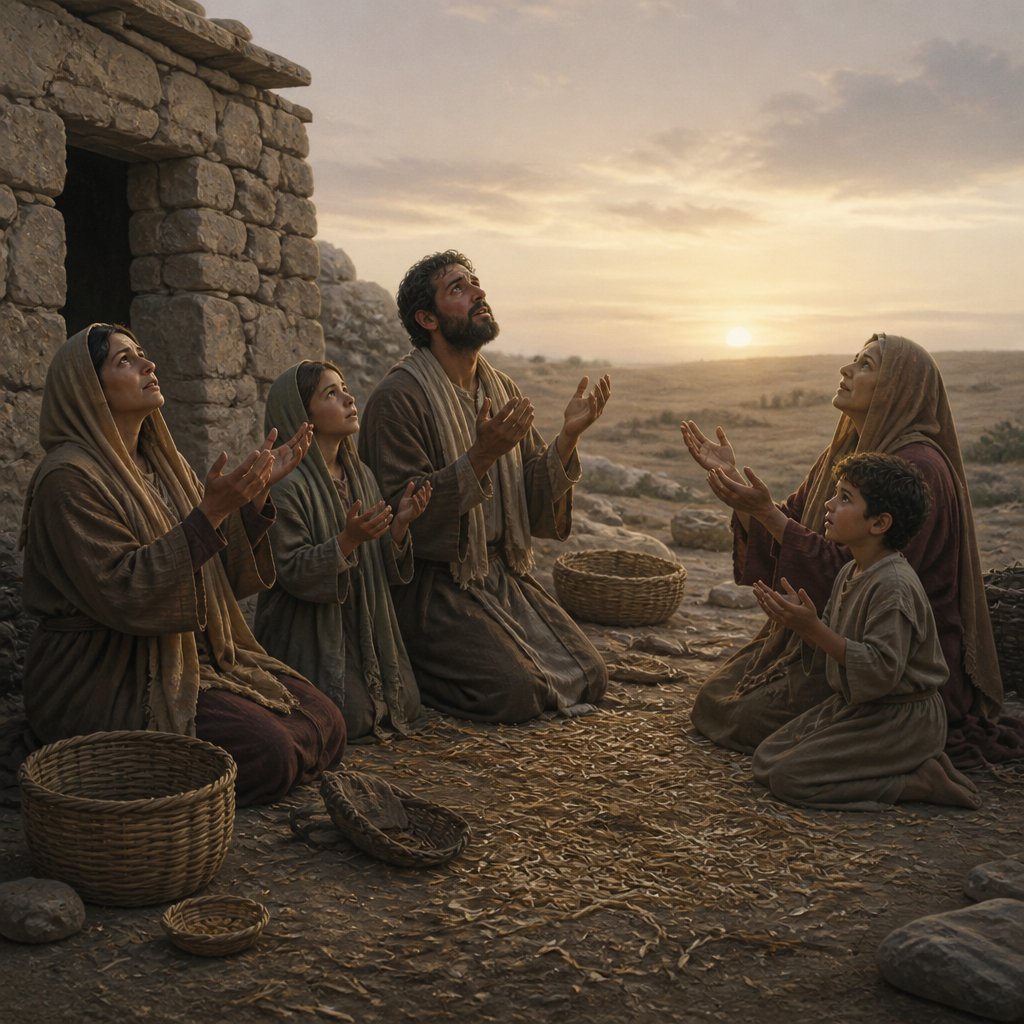
The book of Judges is a vivid testament to the cyclical nature of sin, suffering, and salvation. In Judges 6:6, we read, "And Israel was greatly impoverished because of the Midianites; and the children of Israel cried unto the LORD." This verse encapsulates a moment of desperation for the people of Israel, and it invites us to explore the depth and implications of their plight and their cry.
To understand the weight of Israel's situation, we must consider the historical context surrounding this verse. After setting aside their covenant with God and turning to idolatry, Israel found themselves under the oppression of the Midianites. For seven long years, the Midianites invaded their lands, destroyed their crops, and left them impoverished. The Israelites had strayed from the blessings of God, and as a consequence, they faced severe hardship. Their livelihood, their sustenance, and their safety were all stripped away. The Midianites not only took away their material wealth but also instilled a spirit of fear and hopelessness among the Israelites.
It is in this profound state of destitution that the children of Israel finally cried out to the LORD. This cry was not merely a plea for help; it was a revelation of their despair and recognition of their need for divine intervention. Their call to God reflects a universal truth: often, we only realize how far we have strayed when we hit rock bottom.
Their cry signifies a pivotal moment—a turning point. It demonstrates how God, in His infinite patience and mercy, listens to His people, even when they have turned away from Him. The act of crying out implies an acknowledgment that they could do nothing within their own strength. They were utterly powerless against the onslaught of the Midianites, as they had become impoverished both physically and spiritually. In their cry, there is a sense of repentance, a longing for restoration, and a return to the One who had once delivered them.
We can draw parallels to our own lives today. Many people experience seasons of abundance that can drift into periods of barrenness. Sometimes we find ourselves living in a spiritual desert due to the sins that entangle us. Just like the Israelites, we may feel impoverished by the constant struggles in life, whether they be emotional, spiritual, or financial.
The beautiful truth in Judges 6:6 is that when the Israelites cried out to the LORD, it marked the beginning of their deliverance. God responds to their cry with grace, sending them Gideon, a deliverer who would lead them to victory over the Midianite oppressors. This showcases God's character; He is not only aware of our struggles but is also ready and willing to intervene when we turn back to Him with sincerity.
The act of crying out to God is a fundamental aspect of our relationship with Him. It reflects trust and reliance on His power to transform our circumstances. In moments of desperation, when our poverty—whether spiritual, emotional, or physical—overwhelms us, we can confidently reach out to the Lord, knowing that He hears us. The Psalms are filled with cries for help, reminding us that God is close to the brokenhearted and saves those who are crushed in spirit (Psalm 34:18).
In response to Judges 6:6, let us reflect on what it means to cry out to God in our own struggles. Are we willing to admit our need for Him? Are we ready to surrender our self-sufficiency and lay our burdens before Him? Just as the Israelites found the strength to cry out, we too can find hope in our cries. May our desperation lead us not into despair but into the arms of our Savior, who promises to meet us in our need and turn our mourning into joy.
As we contemplate this verse, let us hold onto the assurance that though we may find ourselves impoverished and oppressed, when we cry out to the LORD, we invoke the power of His deliverance, restoration, and unparalleled grace. Amen.
Get our apps


Artwork for Judges 6:6

Judges 6:6 - "And Israel was greatly impoverished because of the Midianites; and the children of Israel cried unto the LORD."
"And Israel was greatly impoverished because of the Midianites; and the children of Israel cried unto the LORD." - Judges 6:6

Judges 3:6 - "And they took their daughters to be their wives, and gave their daughters to their sons, and served their gods."

Judges 6:36-40 – Gideon’s fleece test for dew.

Judges 6:7 - "¶ And it came to pass, when the children of Israel cried unto the LORD because of the Midianites,"

Psalms 141:6 - "When their judges are overthrown in stony places, they shall hear my words; for they are sweet."

Luke 6:37 - "Judge not, and ye shall not be judged: condemn not, and ye shall not be condemned: forgive, and ye shall be forgiven:"

1 Corinthians 6:2 - "Do ye not know that the saints shall judge the world? and if the world shall be judged by you, are ye unworthy to judge the smallest matters?"

Judges 6:23 - "And the LORD said unto him, Peace be unto thee; fear not: thou shalt not die."

Judges 6:40 - "And God did so that night: for it was dry upon the fleece only, and there was dew on all the ground."

Judges 11:6 - "And they said unto Jephthah, Come, and be our captain, that we may fight with the children of Ammon."

Judges 17:6 - "In those days there was no king in Israel, but every man did that which was right in his own eyes."

Judges 6:34 - "But the Spirit of the LORD came upon Gideon, and he blew a trumpet; and Abiezer was gathered after him."

2 Chronicles 19:6 - "And said to the judges, Take heed what ye do: for ye judge not for man, but for the LORD, who is with you in the judgment."

Judges 6:24 - "Then Gideon built an altar there unto the LORD, and called it Jehovah-shalom: unto this day it is yet in Ophrah of the Abiezrites."

Judges 18:6 - "And the priest said unto them, Go in peace: before the LORD is your way wherein ye go."

Judges 5:6 - "In the days of Shamgar the son of Anath, in the days of Jael, the highways were unoccupied, and the travellers walked through byways."

Judges 6:36 - "¶ And Gideon said unto God, If thou wilt save Israel by mine hand, as thou hast said,"

Romans 3:6 - "God forbid: for then how shall God judge the world?"

Luke 18:6 - "And the Lord said, Hear what the unjust judge saith."

Judges 6:16 - "And the LORD said unto him, Surely I will be with thee, and thou shalt smite the Midianites as one man."

Judges 6:1 - "And the children of Israel did evil in the sight of the LORD: and the LORD delivered them into the hand of Midian seven years."

Judges 6:33 - "¶ Then all the Midianites and the Amalekites and the children of the east were gathered together, and went over, and pitched in the valley of Jezreel."

Judges 6:12 - "And the angel of the LORD appeared unto him, and said unto him, The LORD is with thee, thou mighty man of valour."

Judges 21:6 - "And the children of Israel repented them for Benjamin their brother, and said, There is one tribe cut off from Israel this day."
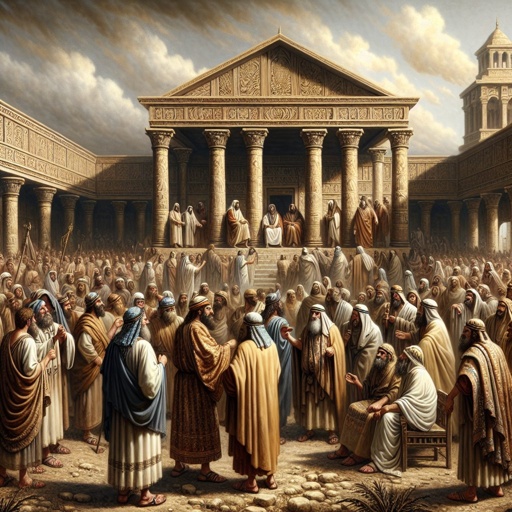
Judges 9:6 - "And all the men of Shechem gathered together, and all the house of Millo, and went, and made Abimelech king, by the plain of the pillar that was in Shechem."

Judges 6:5 - "For they came up with their cattle and their tents, and they came as grasshoppers for multitude; for both they and their camels were without number: and they entered into the land to destroy it."

Psalms 50:6 - "And the heavens shall declare his righteousness: for God is judge himself. Selah."

Judges 6:3 - "And so it was, when Israel had sown, that the Midianites came up, and the Amalekites, and the children of the east, even they came up against them;"

Judges 2:6 - "¶ And when Joshua had let the people go, the children of Israel went every man unto his inheritance to possess the land."