The Silent Suffering: Finding Hope in Lamentations 5:20
“Wherefore dost thou forget us for ever, and forsake us so long time?” — Lamentations 5:20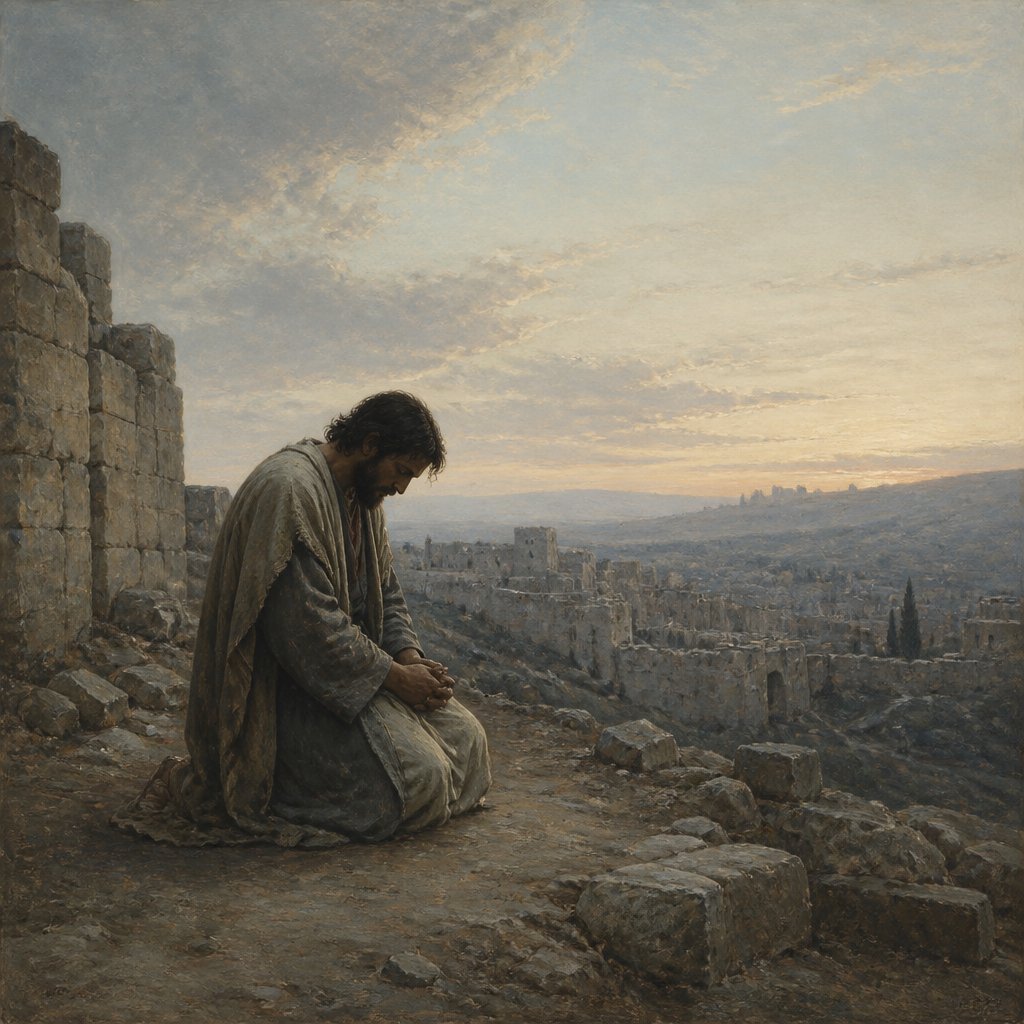
In the heart of the book of Lamentations, we encounter a raw expression of grief and despair. The author, traditionally believed to be the prophet Jeremiah, speaks from the depths of anguish following the destruction of Jerusalem. Lamentations 5:20 poignantly articulates this suffering: "Wherefore dost thou forget us for ever, and forsake us so long time?" At first glance, this verse may resonate with us in our moments of pain, as it echoes the longings of a soul grappling with divine silence in the midst of trials.
The Israelites faced profound desolation—cities lay in ruins, their people were scattered, and the temple, a symbol of God's presence, had been destroyed. This period of suffering often leads one to question God's fidelity and presence. "Wherefore dost thou forget us for ever?" In essence, this is a prayer of lament, reflecting a heart that feels abandoned. It reflects two fundamental human experiences: the feeling of being forgotten and the fear that God may not return to our lives when we need Him most.
To fully grasp the depth of this lament, we must understand the Old Testament context of God's covenant with Israel. They were His chosen people, endowed with special privileges and a unique relationship with the Almighty. Their identity was firmly rooted in God's promises. Yet, here we find a stark contradiction—the people are exiled, suffering, and seemingly forsaken. Is it not easy to believe that God has forgotten us when the realities of life weigh heavily upon our hearts?
This questioning of God’s presence is not only pertinent to ancient Israel; it resonates within the lives of many believers today. In the face of tragedy, loss, or long-standing struggles, it’s common to feel isolated in our pain, as if we are shouting into an empty void. God seems distant, and we wonder whether our cries reach His ears. The question posed in Lamentations 5:20 encapsulates that despair and perhaps, for many, unveils a turning point—the desire for answers in the silences of God.
But let us not overlook the profound lesson embedded within this lamentation. The act of crying out is a form of prayer. It acknowledges our pain and affirms our belief in God’s sovereignty enough to ask the hard questions. In effect, this verse connects to a larger narrative of faith—one that embraces doubt, uncertainty, and anguish, while still seeking a glimmer of hope. God’s faithfulness is not negated by our circumstances; rather, our circumstances often lead us to a deeper understanding of that faithfulness.
As we reflect upon our own lives, we may find ourselves in similar places of anguish. It is natural to wonder why God feels absent in our trials. However, we must remember that periods of suffering are not indicative of God’s abandonment; they often serve as invitations for deeper intimacy. James 1:2-4 encourages us saying, "My brethren, count it all joy when ye fall into divers temptations; Knowing this, that the trying of your faith worketh patience."
God invites us into a relationship that embraces not only joy but also lament. It is through grappling with our grief and searching for God amidst it that we grow in our faith. God does not promise a life devoid of pain; rather, He assures us that through it, He walks alongside us. The promise of His presence is a constant thread throughout the scriptures, even if our circumstances obscure that truth.
As we conclude this reflection on Lamentations 5:20, let’s choose to express our lament with honesty. And while we ache for answers, let us also cultivate an awareness of God’s unwavering love, for even when He seems silent, He remains sovereign. Ultimately, through our cries and heartaches, may we find that God has not forgotten us—that indeed, He is working out His good purpose even in our most desperate times. The lament serves as a guide, directing us towards the hope that lies in unyielding faith amidst adversity.
Get our apps


Artwork for Lamentations 5:20

Lamentations 5:20 - "Wherefore dost thou forget us for ever, and forsake us so long time?"
"Wherefore dost thou forget us for ever, and forsake us so long time?" - Lamentations 5:20

Lamentations 5:5 - "Our necks are under persecution: we labour, and have no rest."

Lamentations 3:20 - "My soul hath them still in remembrance, and is humbled in me."

Lamentations 5:11 - "They ravished the women in Zion, and the maids in the cities of Judah."

Lamentations 5:3 - "We are orphans and fatherless, our mothers are as widows."

Lamentations 5:2 - "Our inheritance is turned to strangers, our houses to aliens."

Lamentations 5:17 - "For this our heart is faint; for these things our eyes are dim."

Lamentations 5:7 - "Our fathers have sinned, and are not; and we have borne their iniquities."

Lamentations 5:15 - "The joy of our heart is ceased; our dance is turned into mourning."

Lamentations 5:18 - "Because of the mountain of Zion, which is desolate, the foxes walk upon it."

Lamentations 5:6 - "We have given the hand to the Egyptians, and to the Assyrians, to be satisfied with bread."

Lamentations 5:10 - "Our skin was black like an oven because of the terrible famine."

Lamentations 5:13 - "They took the young men to grind, and the children fell under the wood."

Lamentations 5:12 - "Princes are hanged up by their hand: the faces of elders were not honoured."

Lamentations 3:5 - "He hath builded against me, and compassed me with gall and travail."

Lamentations 5:14 - "The elders have ceased from the gate, the young men from their musick."

Lamentations 5:9 - "We gat our bread with the peril of our lives because of the sword of the wilderness."

Lamentations 5:19 – "You, Lord, reign forever; your throne endures from generation to generation."

Lamentations 5:19 - "Thou, O LORD, remainest for ever; thy throne from generation to generation."
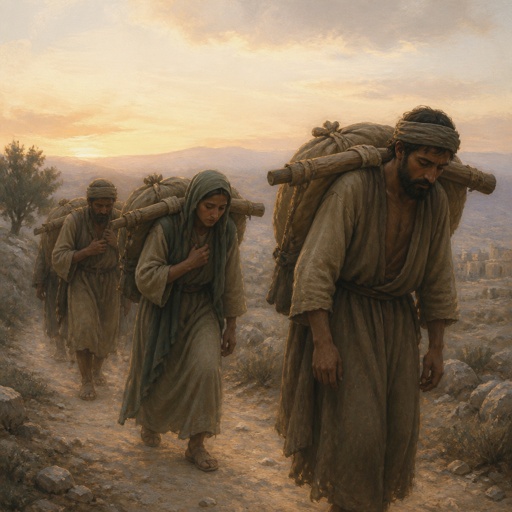
"Our necks are under persecution: we labour, and have no rest." - Lamentations 5:5

Lamentations 5:8 - "Servants have ruled over us: there is none that doth deliver us out of their hand."

Lamentations 5:1 - "Remember, O LORD, what is come upon us: consider, and behold our reproach."

Lamentations 5:22 - "But thou hast utterly rejected us; thou art very wroth against us."

Lamentations 4:5 - "They that did feed delicately are desolate in the streets: they that were brought up in scarlet embrace dunghills."

Lamentations 5:4 - "We have drunken our water for money; our wood is sold unto us."

Lamentations 5:16 - "The crown is fallen from our head: woe unto us, that we have sinned!"
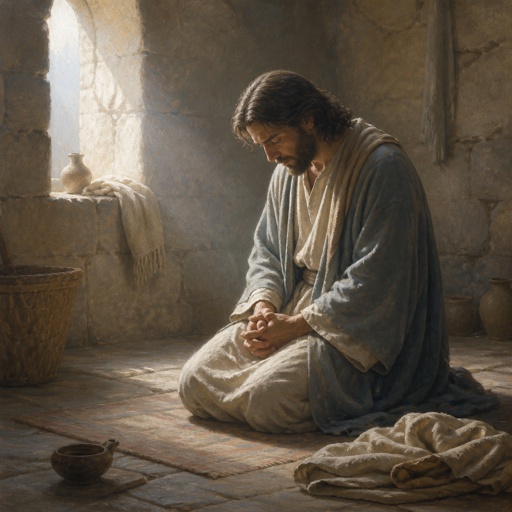
"My soul hath them still in remembrance, and is humbled in me." - Lamentations 3:20

Lamentations 4:20 - "The breath of our nostrils, the anointed of the LORD, was taken in their pits, of whom we said, Under his shadow we shall live among the heathen."
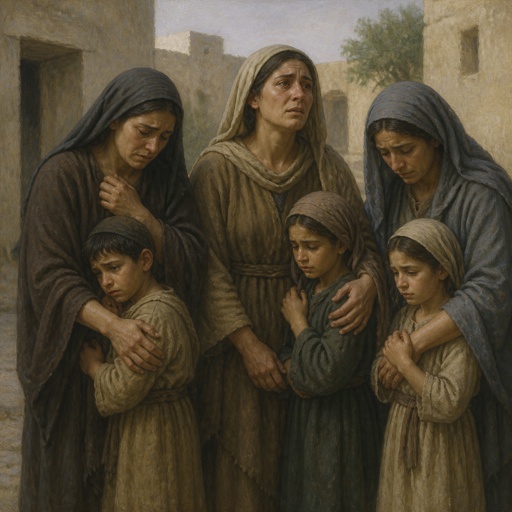
"We are orphans and fatherless, our mothers are as widows." - Lamentations 5:3