The Sacrifice of Acceptance: Understanding Our Offerings to God
"Speak unto the children of Israel, and say unto them, If any man of you bring an offering unto the Lord, ye shall bring your offering of the cattle, even of the herd, and of the flock. If his offering be a burnt sacrifice of the herd, let him offer a male without blemish: he shall offer it of his own voluntary will at the door of the tabernacle of the congregation before the Lord. And he shall put his hand upon the head of the burnt offering; and it shall be accepted for him to make atonement for him." - Leviticus 1:2-4
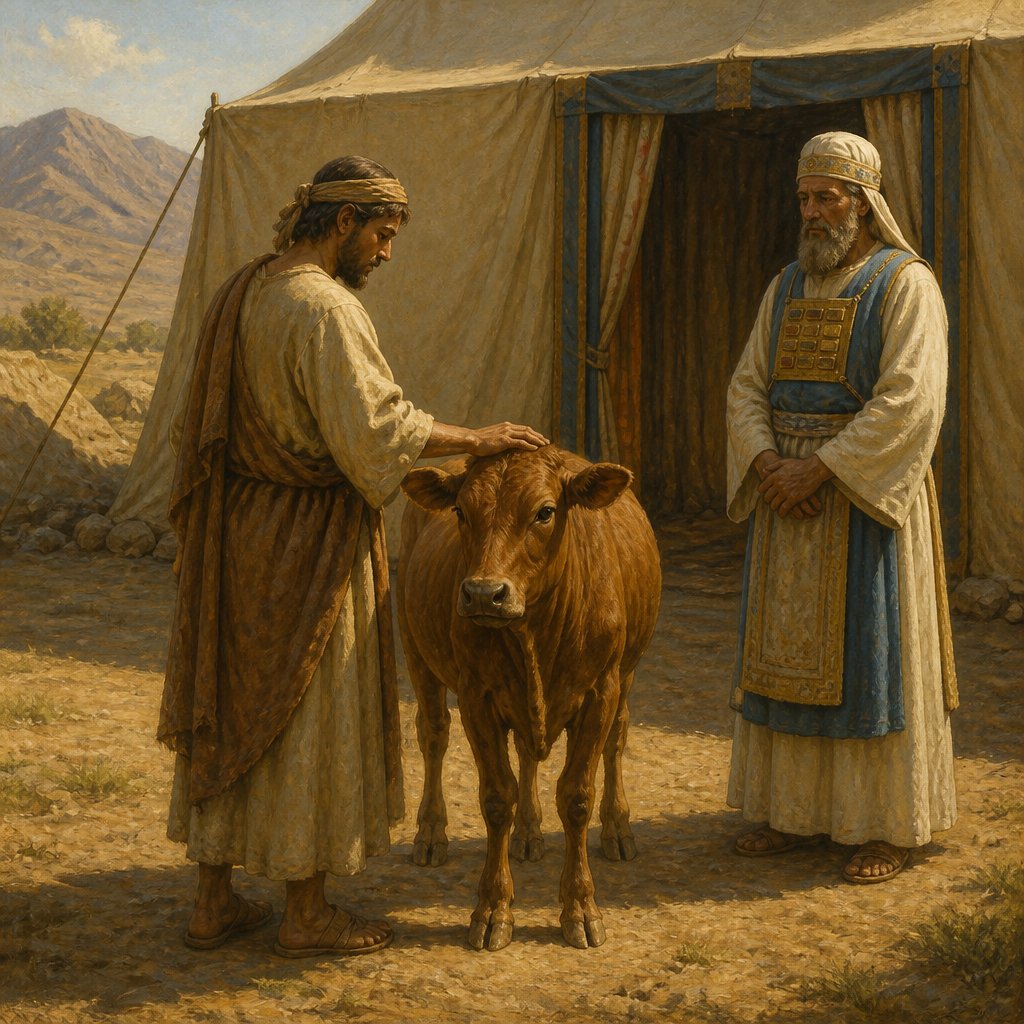
In Leviticus 1:2-4, we read the foundational instructions for the offerings that the Israelites were to bring before the Lord. The scripture states:
"Speak unto the children of Israel, and say unto them, If any man of you bring an offering unto the Lord, ye shall bring your offering of the cattle, even of the herd, and of the flock. If his offering be a burnt sacrifice of the herd, let him offer a male without blemish: he shall offer it of his own voluntary will at the door of the tabernacle of the congregation before the Lord. And he shall put his hand upon the head of the burnt offering; and it shall be accepted for him to make atonement for him." (KJV)
This passage unveils a rich tapestry of spiritual truth layered within the laws given to Israel. First, we must unpack the act of bringing an offering itself. When God instructed, "If any man of you bring an offering to the Lord," it opened a door for personal engagement with God. The act of offering was not merely a ritualistic obligation but an opportunity for connection, surrender, and relationship with the Holy One. Today, as modern believers, we learn that our offerings—whether they be of time, talent, or treasure—are calls to intimacy with the Almighty.
The Lord specifies that offerings should come from the herds and flocks and that they must be of a particular quality: "a male without blemish." This requirement speaks volumes about God's desire for our best. Our offerings should not be careless or out of mere duty; they must be our best expressions of love and commitment to Him. The male without blemish serves as a prefiguration of Christ, who was the perfect Lamb, without sin or defect. In the New Covenant, God still desires our sacrifices to be genuine, pure, and reflective of our heartfelt devotion.
Notably, the phrase "of his own voluntary will" emphasizes that offerings should stem from a willing heart, a willing spirit. God cares little for obligatory acts devoid of sincerity. What He seeks is a heart aligned with His purposes—a deep willingness to express love through our actions. In 2 Corinthians 9:7, we are reminded, "God loveth a cheerful giver." Our gifts, therefore, are acts of worship that must spring from our genuine love for God.
When the offerer places his hand on the head of the burnt offering, it symbolizes a profound act of identification and transfer. The individual identifies with the sacrifice, admitting his own sinfulness and the need for atonement. This gesture was the ancient form of expressing one’s faith that the offering would be accepted by Yahweh. For us, this represents the beautiful reality of being able to identify with Christ, who took upon Himself our sins and made complete atonement at the cross. The Old Testament practice translates into a New Testament truth: through faith in Jesus, we have complete access to God, and our own lives become living sacrifices (Romans 12:1).
As we reflect on these verses, it is important to consider: what offerings do we bring before God? Are we bringing our best? Are we bringing our offerings with joy, stemming from our own voluntary will? Are we recognizing Christ's ultimate sacrifice in our lives?
In conclusion, we are invited to approach God with our offerings—our time, our talents, our financial resources, and our very lives—with thoughtfulness and love. Our offerings should be unblemished, symbolizing our best efforts of devotion. Today, may we re-examine how we present our lives to the Lord, ensuring that we do so willingly and cheerfully, allowing the Holy Spirit to guide our sacrifices so they may be accepted as an atonement, not merely for our own sake but as an expression of gratitude and worship to the one who gave it all.
Want to reflect more on Leviticus 1:2-4?
Continue your spiritual journey with Bible Chat — an AI-powered tool for exploring God's Word through conversation. Ask questions, discover connections, and deepen your understanding.
Get Our Apps


Leviticus 1:2-4 Artwork
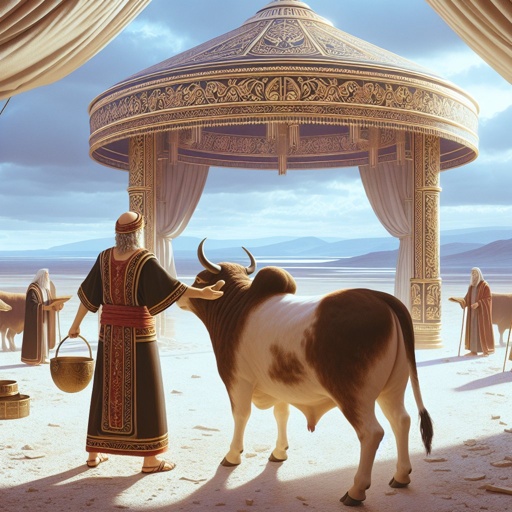
Leviticus 1:2-4 - "Speak to the Israelites and say to them: ‘When anyone among you brings an offering to the Lord, bring as your offering an animal from either the herd or the flock. If the offering is a burnt offering from the herd, you are to offer a male without defect. You must present it at the entrance to the tent of meeting so that it will be acceptable to the Lord. Lay your hand on the head of the burnt offering, and it will be accepted on your behalf to make atonement for you."
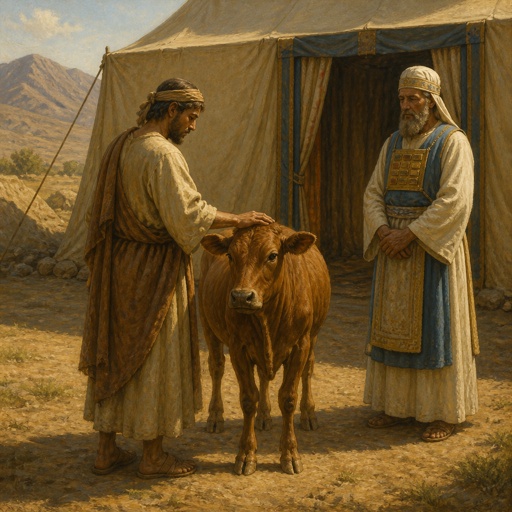
"Speak to the Israelites and say to them: ‘When anyone among you brings an offering to the Lord, bring as your offering an animal from either the herd or the flock. If the offering is a burnt offering from the herd, you are to offer a male without defect. You must present it at the entrance to the tent of meeting so that it will be acceptable to the Lord. Lay your hand on the head of the burnt offering, and it will be accepted on your behalf to make atonement for you." - Leviticus 1:2-4

James 1:2-4

James 1: 2-4

Joel 1:2-4, 13-20

Leviticus 4:1 - "And the LORD spake unto Moses, saying,"

2 Samuel 1:2-4 David is shocked the man is scared image in color

2 Samuel 1:2-4 David is shocked the man is scared image in color
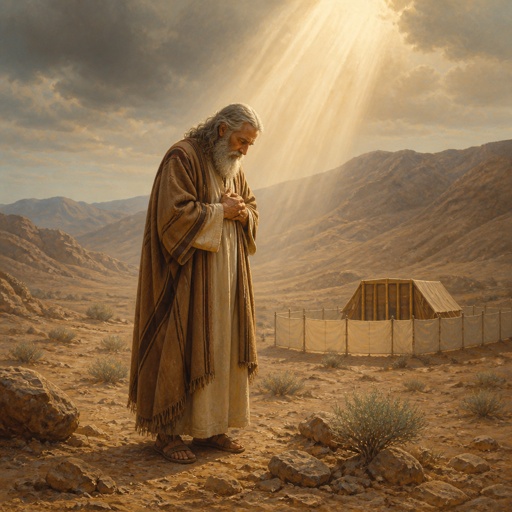
"And the LORD spake unto Moses, saying," - Leviticus 4:1

Leviticus 1:2 - "Speak unto the children of Israel, and say unto them, If any man of you bring an offering unto the LORD, ye shall bring your offering of the cattle, even of the herd, and of the flock."

Leviticus 1:4 - "And he shall put his hand upon the head of the burnt offering; and it shall be accepted for him to make atonement for him."

Leviticus 2:4 - "¶ And if thou bring an oblation of a meat offering baken in the oven, it shall be unleavened cakes of fine flour mingled with oil, or unleavened wafers anointed with oil."

2 Samuel 1:2-4 David is shocked the man is scared image in color less details

James 2:2-4
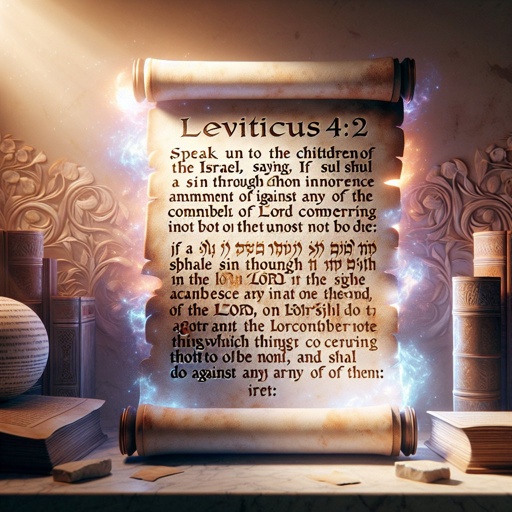
Leviticus 4:2 - "Speak unto the children of Israel, saying, If a soul shall sin through ignorance against any of the commandments of the LORD concerning things which ought not to be done, and shall do against any of them:"

Romans 2:4

Leviticus 26: 4-6

1 Corinthians 4:1-2
Leviticus 26: 4-6

Leviticus 26: 4-6

Mark 2:4

2 Chronicles 4:22

2 Corinthians 4:18

Ephesians 4:1-2

Ephesians 4:1-2

Ephesians 4:1-2

Ephesians 4:1-2

2 Timothy 4 7

Ephesians 4:1-2

Ephesians 4:1-2