Strange Fire: A Call to True Worship
“And Nadab and Abihu, the sons of Aaron, took either of them his censer, and put fire therein, and put incense thereon, and offered strange fire before the LORD, which he commanded them not.” — Leviticus 10:1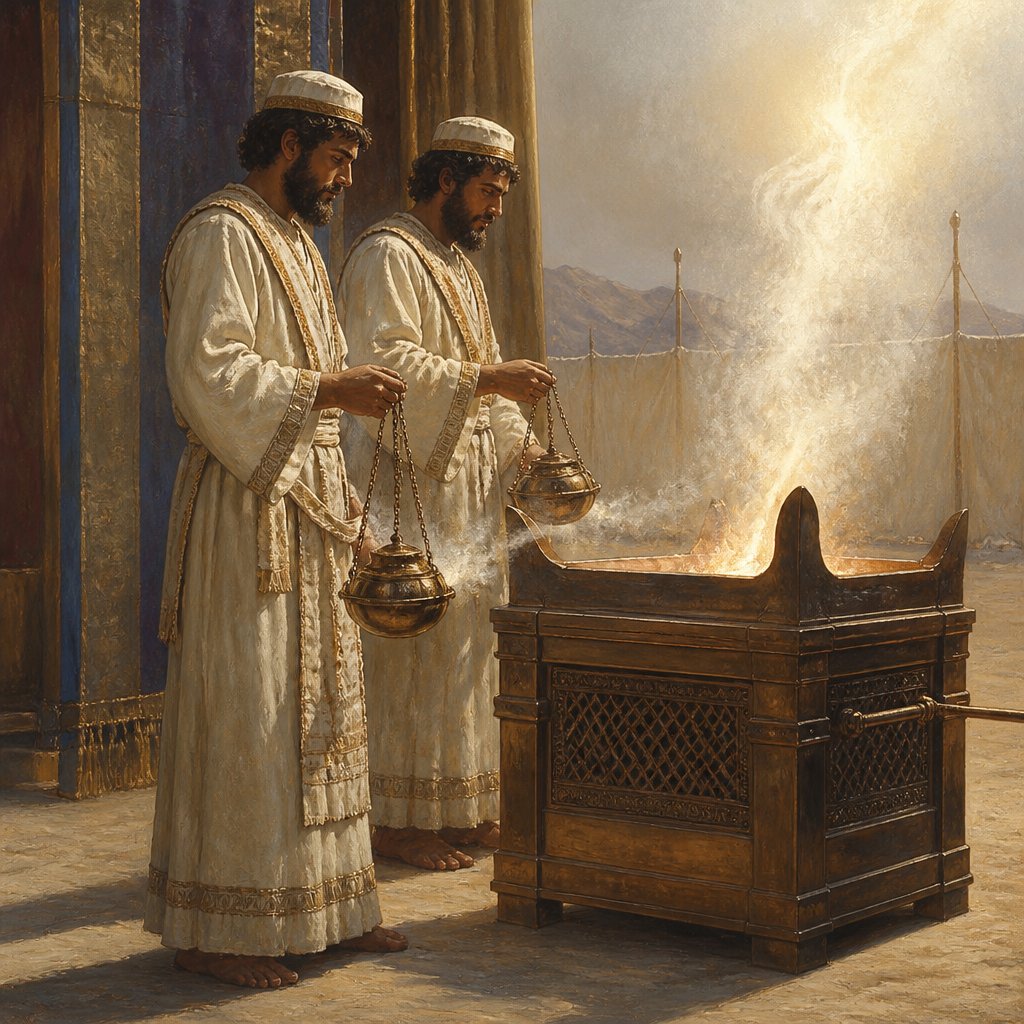
The narrative of Nadab and Abihu, as found in Leviticus 10:1, offers a profound insight into the nature of worship and the seriousness with which God regards the protocols surrounding His holiness: "And Nadab and Abihu, the sons of Aaron, took either of them his censer, and put fire therein, and put incense thereon, and offered strange fire before the LORD, which he commanded them not." This incident is not merely a historical account but serves as a timeless warning about the essence of worship and our relationship with God.
To fully understand the significance of this verse, we must acknowledge the context in which Nadab and Abihu operated. They were the sons of Aaron, the high priest, entrusted with the sacred duties of worshiping the Lord and leading the Israelites in their ritual acts. They had been witnesses to the profound glory of God during the consecration of the priesthood and had participated in the previous offerings. There was no higher calling than what they were given, yet their actions demonstrate a grave misunderstanding about the nature of worship.
The term "strange fire" refers to fire that was not commanded by God. The importance of this cannot be overstated; it highlights an essential truth that worship must be grounded in obedience to God’s directives. Offering strange fire signifies a departure from God’s instruction; it reveals an attitude of presumption and irreverence that often stems from familiarity. Nadab and Abihu perhaps believed they knew what God wanted better than He had communicated. In doing so, they neglected the fundamental principle of worship: it is not about what we think God wants but what He explicitly commands.
The fire that they offered was a self-styled worship rather than a response to divine expectation. How often do we fall into the same trap today? The world is replete with forms of worship that stray from God's commandments, cloaked in modern expressions and personal preferences. In our zeal, we may become careless or take for granted the holiness of God and the specific ways He desires to be worshiped.
Reflect on the implications of their actions. Nadab and Abihu treated the sacredness of their role lightly, and the result was swift judgment from God. "And there went out fire from the LORD, and devoured them, and they died before the LORD" (Leviticus 10:2). Their example serves as a stark reminder of God's overwhelming holiness. It prompts us to question, how do we approach God in worship? Do we weigh our actions against the weight of His holiness and sovereignty?
As we examine our own lives, we are called to cultivate a heart of reverence and obedience to God. True worship originates from a humble acknowledgment of who He is and an earnest desire to align our lives with His will. Jesus reiterated this importance when He spoke to the Samaritan woman, saying in John 4:24, "God is a Spirit: and they that worship him must worship him in spirit and in truth." Worship is not merely about our rituals but is deeply rooted in truth—the truth of God’s Word.
Moreover, we must also be vigilant of how we express our worship within the community of faith. Are our worship practices reflective of Scripture and aligned with God’s unchanging nature, or do they originate from popular culture, tradition, or personal preference? We can learn from the mistakes of Nadab and Abihu that our offerings—be they sacrifices of praise, service, or finances—must be well-pleasing to the Lord through obedience, rooted not in earthly standards but in heavenly mandates.
As you meditate on Leviticus 10:1, ask the Holy Spirit to reveal areas of your life where you might be tempted to offer strange fire to God—where you overlook His instruction and embrace your ways instead. Pray for the grace to approach God with reverence and awe, honoring His holiness in every aspect of your worship. May our offerings be true, pleasing to Him, and reflective of our genuine love and submission to His will.
Get our apps


Artwork for Leviticus 10:1

Leviticus 10:1 - "And Nadab and Abihu, the sons of Aaron, took either of them his censer, and put fire therein, and put incense thereon, and offered strange fire before the LORD, which he commanded them not."
"And Nadab and Abihu, the sons of Aaron, took either of them his censer, and put fire therein, and put incense thereon, and offered strange fire before the LORD, which he commanded them not." - Leviticus 10:1

Leviticus 1:10 - "¶ And if his offering be of the flocks, namely, of the sheep, or of the goats, for a burnt sacrifice; he shall bring it a male without blemish."

Leviticus 10:10 - "And that ye may put difference between holy and unholy, and between unclean and clean;"

leviticus 16:7-10

Leviticus 10:20 - "And when Moses heard that, he was content."
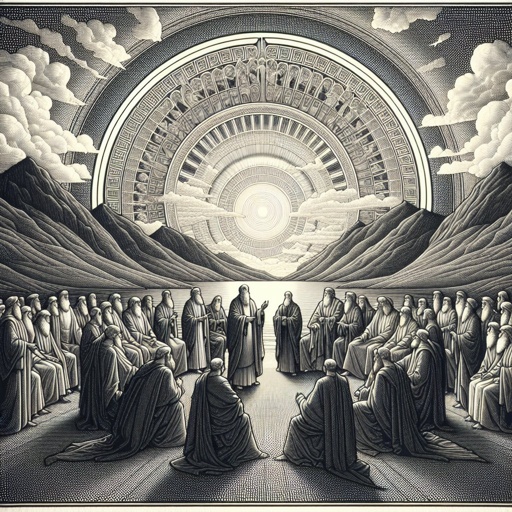
Leviticus 10:8 - "¶ And the LORD spake unto Aaron, saying,"

Leviticus 10:2 - "And there went out fire from the LORD, and devoured them, and they died before the LORD."

Leviticus 26:10 - "And ye shall eat old store, and bring forth the old because of the new."

Leviticus 8:10 - "And Moses took the anointing oil, and anointed the tabernacle and all that was therein, and sanctified them."

Leviticus 10:5 - "So they went near, and carried them in their coats out of the camp; as Moses had said."
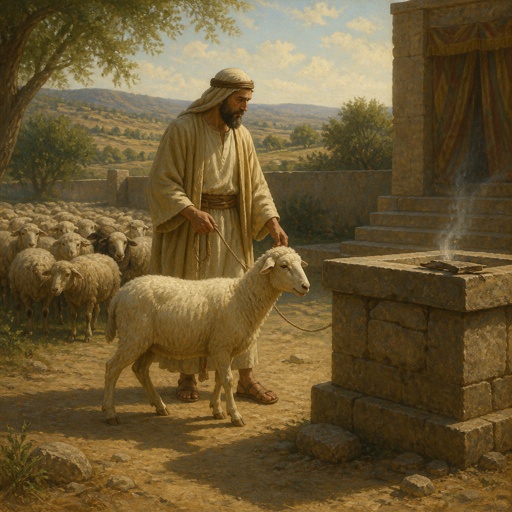
"¶ And if his offering be of the flocks, namely, of the sheep, or of the goats, for a burnt sacrifice; he shall bring it a male without blemish." - Leviticus 1:10
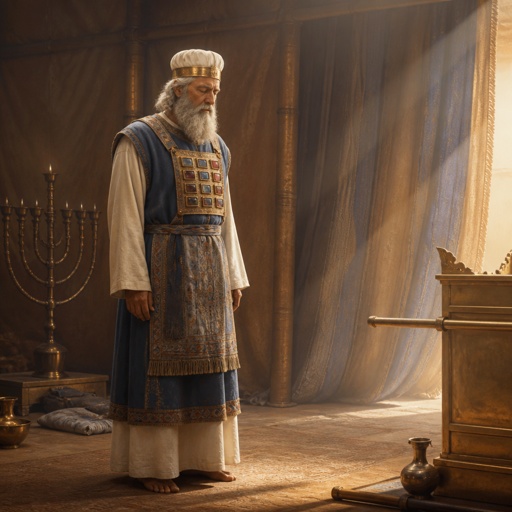
"¶ And the LORD spake unto Aaron, saying," - Leviticus 10:8
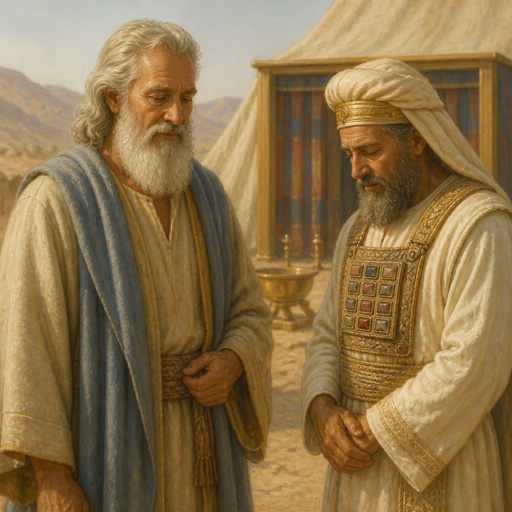
"And when Moses heard that, he was content." - Leviticus 10:20
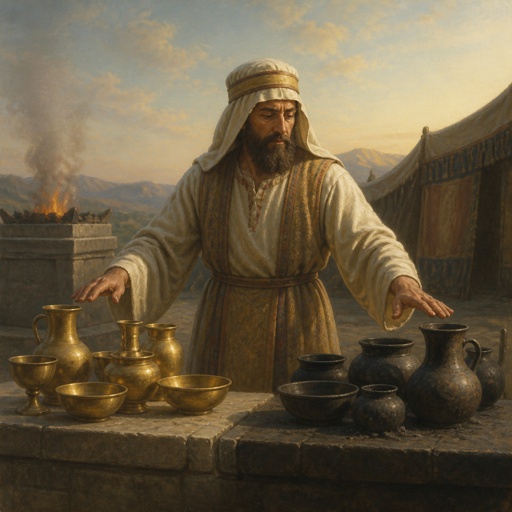
"And that ye may put difference between holy and unholy, and between unclean and clean;" - Leviticus 10:10

Leviticus 22:10 - "There shall no stranger eat of the holy thing: a sojourner of the priest, or an hired servant, shall not eat of the holy thing."

Leviticus 7:10 - "And every meat offering, mingled with oil, and dry, shall all the sons of Aaron have, one as much as another."

Leviticus 23:21

Leviticus 23:21

Leviticus 14:51

Leviticus 23:20

Leviticus 23:21

Leviticus 23:21

Leviticus 23:21

Leviticus 23:21

Leviticus 9:10 - "But the fat, and the kidneys, and the caul above the liver of the sin offering, he burnt upon the altar; as the LORD commanded Moses."

Leviticus 10:11 - "And that ye may teach the children of Israel all the statutes which the LORD hath spoken unto them by the hand of Moses."
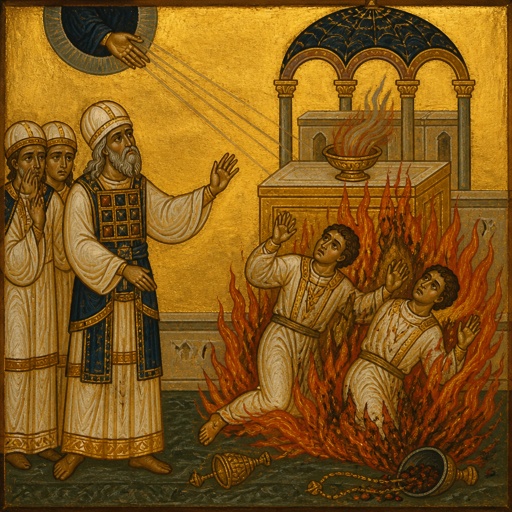
Leviticus 10 Aaron’s son burned alive for offering strange fire and incense.

Leviticus 3:10 - "And the two kidneys, and the fat that is upon them, which is by the flanks, and the caul above the liver, with the kidneys, it shall he take away."

Leviticus 10:18 - "Behold, the blood of it was not brought in within the holy place: ye should indeed have eaten it in the holy place, as I commanded."