The Sacred Meal: Understanding Our Divine Inheritance
“And ye shall eat it in the holy place, because it is thy due, and thy sons’ due, of the sacrifices of the LORD made by fire: for so I am commanded.” — Leviticus 10:13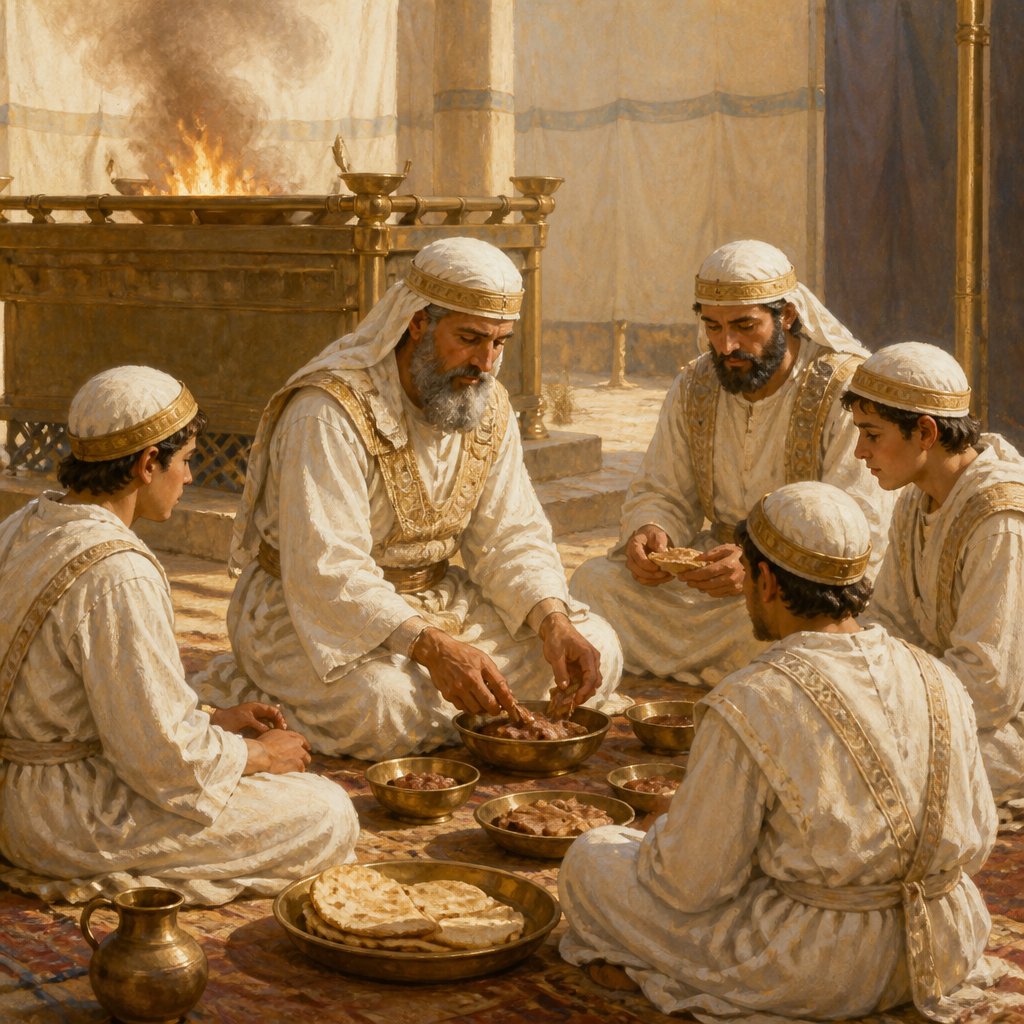
As we delve into Leviticus 10:13, where it states, "And ye shall eat it in the holy place, because it is thy due, and thy sons' due, of the sacrifices of the LORD made by fire: for so I am commanded," we are invited to ponder the rich implications of being invited to partake in a holy meal as part of God's covenant with His people. This verse, nestled within the broader context of priestly duties, emphasizes the significance of communion, inheritance, and obedience in our relationship with God.
The instruction here is clear: the priests are to partake of the offerings in the designated holy place. This requirement signifies the divine order concerning sacred meals, reflecting both reverence and the role of the priests as intermediaries between God and His people. In the ancient Israelite community, eating sacrificial offerings was far more than a mere act of consumption; it was an engagement in a sacred ritual that established their identity as God’s chosen people.
To fully appreciate this command, we should first understand what is meant by "it is thy due, and thy sons' due." In the culture of ancient Israel, such meals were not only privileges but also necessary for sustaining the priestly lineage. The food from sacrifices provided sustenance, enabling the priests and their families to maintain their roles in the worship of God. Here, we see the principle of inheritance at work; the blessings and responsibilities of serving in the temple were passed down, reinforcing the continuity of worship and devotion through generations.
The phrase "sacrifices of the LORD made by fire" invites us to reflect on the nature of sacrifice itself. Fire in this context symbolizes purification and the consuming presence of God. When offerings were burned, it represented the turning of something earthly into a divine transaction. The meal that followed was, therefore, not just about physical nourishment but also about spiritual communion. God commands His people to engage in this fellowship because it deepens their relationship with Him.
In the New Testament, this notion of a sacred meal takes on deeper significance with the institution of the Lord's Supper. In Luke 22:19-20, Jesus took bread and wine, saying, "This is my body which is given for you... This cup is the new testament in my blood"—a beautiful fulfillment of the covenant relationship established in the Old Testament. Here, we partake of a meal that signifies not only sustenance but also our shared inheritance in Christ. Just as the priests had a due in the Old Testament offerings, we are invited to partake in the spiritual blessings provided through Jesus’ sacrifice.
As we consider this verse, we find ourselves drawn into a deeper understanding of our spiritual inheritance. Are we aware of the due that God has provided for us? We are not left to fend for ourselves in our spiritual lives; instead, we have been granted access to God’s grace through Jesus. The offer of partaking in the body and blood of Christ is as profound as the Old Testament priests sharing in the sacred meals. In this, we see a continuous thread that weaves through the tapestry of scripture.
Furthermore, this verse calls us to reflect on the importance of consuming what God provides in the holy place. For us today, the holy place may be our personal time with God, our corporate worship, or moments of prayer and praise. Are we fully engaging with the spiritual sustenance He provides? From prayer and reading His word to participating in community with others, these are the sacred meals that nourish our souls and strengthen our faith.
Thus, Leviticus 10:13 serves as a reminder that obeying God’s commands positions us to receive His blessings. It is through obedience that we inherit the spiritual sustenance that God has ordained for us—the due that is rightfully ours as God’s children. Let us receive this inheritance with grateful hearts that recognize the depth of God’s provision and grace. May we feast in the holy places He has set before us and savor the richness of His presence.
Get our apps


Artwork for Leviticus 10:13

Leviticus 10:13 - "And ye shall eat it in the holy place, because it is thy due, and thy sons' due, of the sacrifices of the LORD made by fire: for so I am commanded."
"And ye shall eat it in the holy place, because it is thy due, and thy sons' due, of the sacrifices of the LORD made by fire: for so I am commanded." - Leviticus 10:13

Leviticus 13:10 - "And the priest shall see him: and, behold, if the rising be white in the skin, and it have turned the hair white, and there be quick raw flesh in the rising;"

Leviticus 10:10 - "And that ye may put difference between holy and unholy, and between unclean and clean;"

leviticus 16:7-10

Leviticus 24:13 - "And the LORD spake unto Moses, saying,"

Leviticus 21:13 - "And he shall take a wife in her virginity."

Leviticus 13:1 - "And the LORD spake unto Moses and Aaron, saying,"

Leviticus 10:20 - "And when Moses heard that, he was content."
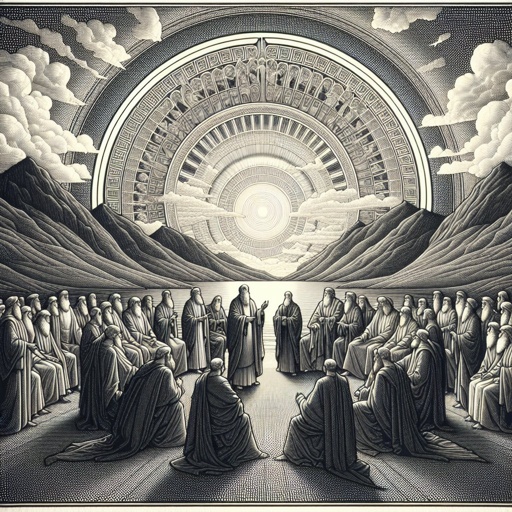
Leviticus 10:8 - "¶ And the LORD spake unto Aaron, saying,"
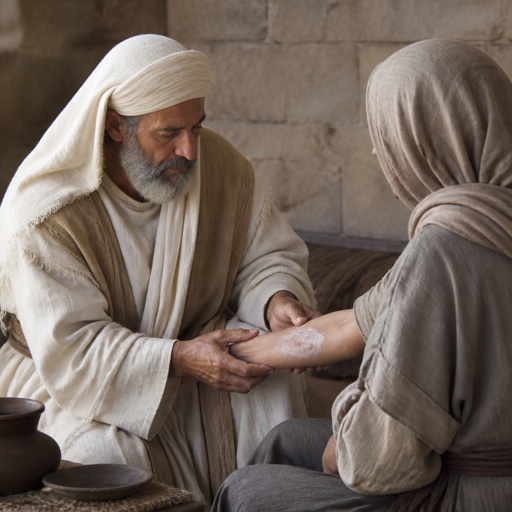
"And the priest shall see him: and, behold, if the rising be white in the skin, and it have turned the hair white, and there be quick raw flesh in the rising;" - Leviticus 13:10

Leviticus 13:35 - "But if the scall spread much in the skin after his cleansing;"

Leviticus 13:29 - "¶ If a man or woman have a plague upon the head or the beard;"

Leviticus 13:18 - "¶ The flesh also, in which, even in the skin thereof, was a boil, and is healed,"

Leviticus 13:14 - "But when raw flesh appeareth in him, he shall be unclean."

Leviticus 13:47 - "¶ The garment also that the plague of leprosy is in, whether it be a woollen garment, or a linen garment;"

Leviticus 13:9 - "¶ When the plague of leprosy is in a man, then he shall be brought unto the priest;"

Leviticus 13:22 - "And if it spread much abroad in the skin, then the priest shall pronounce him unclean: it is a plague."

Leviticus 25:13 - "In the year of this jubile ye shall return every man unto his possession."

Leviticus 6:13 - "The fire shall ever be burning upon the altar; it shall never go out."

Leviticus 13:19 - "And in the place of the boil there be a white rising, or a bright spot, white, and somewhat reddish, and it be shewed to the priest;"

Leviticus 10:2 - "And there went out fire from the LORD, and devoured them, and they died before the LORD."

Leviticus 13:48 - "Whether it be in the warp, or woof; of linen, or of woollen; whether in a skin, or in any thing made of skin;"

Leviticus 13:50 - "And the priest shall look upon the plague, and shut up it that hath the plague seven days:"

Leviticus 27:13 - "But if he will at all redeem it, then he shall add a fifth part thereof unto thy estimation."

Leviticus 13:38 - "¶ If a man also or a woman have in the skin of their flesh bright spots, even white bright spots;"

Leviticus 13:16 - "Or if the raw flesh turn again, and be changed unto white, he shall come unto the priest;"

Leviticus 26:10 - "And ye shall eat old store, and bring forth the old because of the new."

Leviticus 8:10 - "And Moses took the anointing oil, and anointed the tabernacle and all that was therein, and sanctified them."

Leviticus 13:13 - "Then the priest shall consider: and, behold, if the leprosy have covered all his flesh, he shall pronounce him clean that hath the plague: it is all turned white: he is clean."