The Leaping Lessons of Leapfrogs: Discovering Freedom in Divine Guidance
“Yet these may ye eat of every flying creeping thing that goeth upon all four, which have legs above their feet, to leap withal upon the earth;” — Leviticus 11:21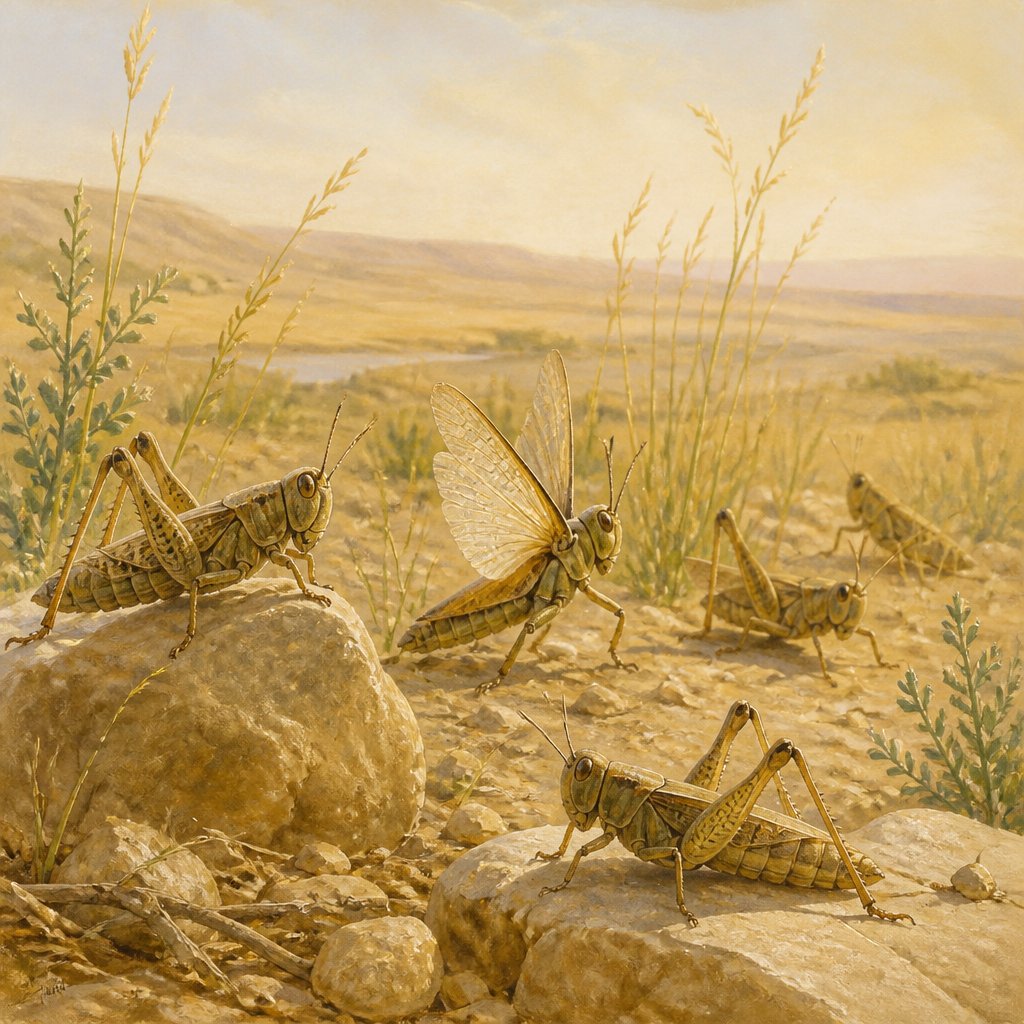
In Leviticus 11:21, we find a curious directive from God: "Yet these may ye eat of every flying creeping thing that goeth upon all four, which have legs above their feet, to leap withal upon the earth." At first glance, this verse seems like a mere dietary law from an ancient text, but upon deeper reflection, it unveils profound truths about the nature of freedom, obedience, and the goodness of God's provisions.
**Understanding the Context**
The book of Leviticus is often seen as dry and legalistic, filled with rules and regulations for the Israelites. However, these laws were not merely punitive restrictions; they were divinely inspired guidelines intended to lead God’s chosen people towards a lifestyle of holiness and health. As God meticulously details which creatures can and cannot be consumed, He is establishing a pattern of obedience and encouraging His people to rely on His wisdom in every aspect of life.
In the specific case of Leviticus 11:21, we learn that there are certain insects that are permissible to eat, specifically those that "goeth upon all four" but are unique in their ability to leap. This prompts a question: why would God choose leaping creatures as acceptable?
**The Significance of Leaping Creatures**
Leaping insects, such as locusts and grasshoppers, are not just an incidental detail. They symbolize agility, resilience, and the ability to overcome obstacles. In life, God often asks us to leap into the unknown, trusting that He will provide guidance and strength as we navigate through difficulties. The fact that these creatures move swiftly and are often found in places of growth and abundance indicates that God's blessings can sometimes come unexpectedly and require us to embrace both challenge and change.
Moreover, leaping is a sign of vitality and liveliness. It reflects God's intention for our lives to be active and involved in the world around us. He has called us to be more than passive recipients of His grace; He urges us to leap into action, spreading His love and good news to those we encounter on our journeys.
**Obedience that Leads to Freedom**
The dietary laws presented in Leviticus invite us to consider the relationship between obedience and freedom. While at first, the restrictions may appear to be burdensome, they serve a greater purpose: to cultivate a community set apart for God’s glory. Christ’s ultimate sacrifice reshaped our understanding of the law; we are no longer bound by ritualistic practices but called to live lives filled with His Spirit.
Paul, in his letter to the Corinthians, reminds us that our bodies are temples of the Holy Spirit. The decisions we make should reflect this truth and guide us in healthy living. The journey of faith parallels the journey of the Israelites through the wilderness—both are filled with challenges and opportunities to leap into God’s provision, grace, and will.
**A Call to Action**
As we reflect on Leviticus 11:21, let us not just see a food law but a call to action. What leaping opportunities has God placed in your life? Are there challenges that require you to trust in God's provision fully? Perhaps it's a new ministry calling, reconciling a broken relationship, or stepping out in faith to share your testimony.
In conclusion, the laws God set forth, including the one in Leviticus 11:21, remind us of His desire for our well-being and holiness. As we consider the leaping creatures allowed in our diet, let us embrace the spiritual lessons they offer. May we leap boldly into the abundant life that God has for us—a life marked by faith, obedience, and the grace that sustains us through every leap of faith.
Get our apps


Artwork for Leviticus 11:21

Leviticus 11:21 - "Yet these may ye eat of every flying creeping thing that goeth upon all four, which have legs above their feet, to leap withal upon the earth;"
"Yet these may ye eat of every flying creeping thing that goeth upon all four, which have legs above their feet, to leap withal upon the earth;" - Leviticus 11:21

Leviticus 21:11 - "Neither shall he go in to any dead body, nor defile himself for his father, or for his mother;"

Leviticus 23:21

Leviticus 23:21

Leviticus 23:21

Leviticus 23:21

Leviticus 23:21

Leviticus 23:21

Leviticus 21:19 - "Or a man that is brokenfooted, or brokenhanded,"
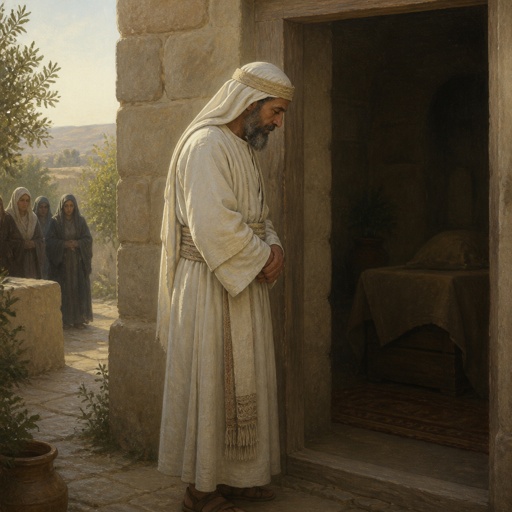
"Neither shall he go in to any dead body, nor defile himself for his father, or for his mother;" - Leviticus 21:11

Leviticus 11:22

Leviticus 21:16 - "¶ And the LORD spake unto Moses, saying,"

Leviticus 21:13 - "And he shall take a wife in her virginity."
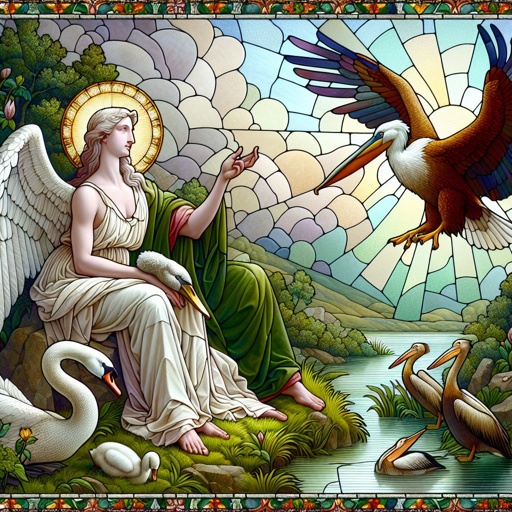
Leviticus 11:18 - "And the swan, and the pelican, and the gier eagle,"

"Or a man that is brokenfooted, or brokenhanded," - Leviticus 21:19

Leviticus 11:17 - "And the little owl, and the cormorant, and the great owl,"

Leviticus 11:14 - "And the vulture, and the kite after his kind;"

Leviticus 11:15 - "Every raven after his kind;"

Leviticus 11:30 - "And the ferret, and the chameleon, and the lizard, and the snail, and the mole."

Leviticus 21:22 - "He shall eat the bread of his God, both of the most holy, and of the holy."

Leviticus 21:24 - "And Moses told it unto Aaron, and to his sons, and unto all the children of Israel."

Habakkuk 2:1-3

Luke 2:1-20

Leviticus 11:19 - "And the stork, the heron after her kind, and the lapwing, and the bat."

Leviticus 9:21 - "And the breasts and the right shoulder Aaron waved for a wave offering before the LORD; as Moses commanded."

Leviticus 9:11 - "And the flesh and the hide he burnt with fire without the camp."

1 Timothy 2:1-7

Leviticus 21:4 - "But he shall not defile himself, being a chief man among his people, to profane himself."

Leviticus 21:20 - "Or crookbackt, or a dwarf, or that hath a blemish in his eye, or be scurvy, or scabbed, or hath his stones broken;"