Holiness in the Everyday: Lessons from Leviticus 11:25
“And whosoever beareth ought of the carcase of them shall wash his clothes, and be unclean until the even.” — Leviticus 11:25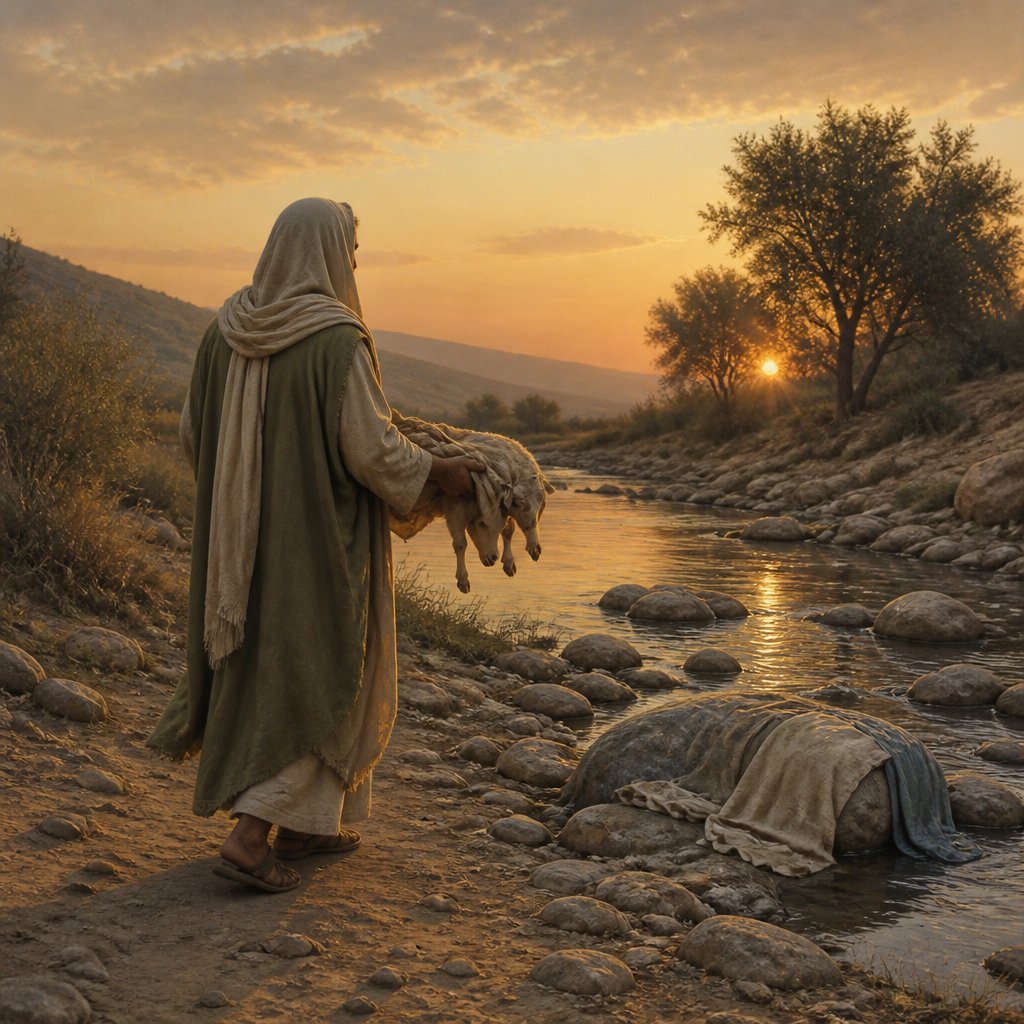
The book of Leviticus, often regarded as the heart of Hebrew law, is an intricate tapestry of rituals, purity laws, and guidelines for holy living. In Leviticus 11:25, we encounter a specific instruction: "And whosoever beareth ought of the carcase of them shall wash his clothes, and be unclean until the even." At first glance, this verse may appear merely as a relic from an ancient text, relevant mainly to the Levitical priesthood and dietary laws. However, upon deeper reflection, it can reveal profound insights into our present-day spiritual walk and the nature of sin and purity.
To understand the weight of this scripture, one must consider the context in which it was written. The Israelites were called to be a holy nation, set apart from the customs and practices of the surrounding peoples. The holiness of God demanded their adherence to specific laws—laws that governed not only their ceremonial practices but also daily living. The carcasses referred to in Leviticus 11 were sources of ritual uncleanness, making it imperative for anyone who came into contact with them to take proactive steps to regain their state of purity.
The mention of washing clothes symbolizes the action required to restore one’s purity before God. Clothes, as external indicators of one’s status and cleanliness, serve a spiritual metaphor in this passage. Just as one takes careful consideration in cleansing their garments, so too must we, as believers, be diligent about cleansing our hearts and minds from the decay of sin. The act of washing clothes implies that there is an effort required in our pursuit of holiness. Similarly, we are called to actively engage in the process of sanctification.
In a spiritual sense, the phrase "unclean until the even" speaks to a period of separation from the sacred. For the Israelites, the evening marked a transitional point—a time when they could once again partake in communal worship and daily life. This temporal state of being 'unclean' serves to remind us that sin, once acknowledged, requires time and repentance to restore us to fellowship with God. Just as no one would want to wander through their day living in a state of uncleanliness, we similarly should not allow sin to linger in our lives. When we recognize sin’s presence, we must address it with urgency through confession, repentance, and spiritual cleansing.
In this regard, we are blessed with the promise of Christ. Through His sacrifice, our sins are placed upon Him, and we are cleansed once and for all. As 1 John 1:9 (KJV) states, "If we confess our sins, he is faithful and just to forgive us our sins, and to cleanse us from all unrighteousness." However, while our position before God is secure through Christ, our daily walk still requires vigilance. Engaging daily in spiritual disciplines—prayer, reading Scripture, and community fellowship—facilitates the washing of our spiritual garments, helping us to maintain our set-apart status.
Moreover, the narrative of being unclean until evening serves as a reminder of grace and time. Just like the Israelites transitioned from a state of impurity back to communal life, we too are on a journey towards holiness that requires patience and perseverance. It is an ongoing process where we learn through trial and error, understanding that holiness is not attained in a day but developed over a lifetime of choices.
In conclusion, Leviticus 11:25 invites us to consider our everyday actions and attitudes towards sin and purity. It challenges us to live thoughtfully within our covenant relationship with God, emphasizing that our actions—what we bear, what we involve ourselves in—can impact our holiness. Let us wash our garments in the grace of God and be ever vigilant as we walk in a world that often seeks to draw us away from Him, remembering always that we are called to live lives that reflect His glory.
Get our apps


Artwork for Leviticus 11:25
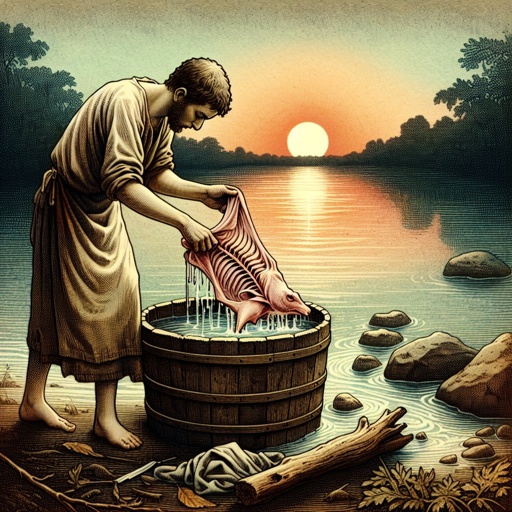
Leviticus 11:25 - "And whosoever beareth ought of the carcase of them shall wash his clothes, and be unclean until the even."
"And whosoever beareth ought of the carcase of them shall wash his clothes, and be unclean until the even." - Leviticus 11:25

Leviticus 25:11 - "A jubile shall that fiftieth year be unto you: ye shall not sow, neither reap that which groweth of itself in it, nor gather the grapes in it of thy vine undressed."

Leviticus 25:26 - "And if the man have none to redeem it, and himself be able to redeem it;"

Leviticus 25:34 - "But the field of the suburbs of their cities may not be sold; for it is their perpetual possession."

Leviticus 25:1 - "And the LORD spake unto Moses in mount Sinai, saying,"

Leviticus 16:25 - "And the fat of the sin offering shall he burn upon the altar."
Leviticus 11:22

Leviticus 25:24 - "And in all the land of your possession ye shall grant a redemption for the land."

Leviticus 25:13 - "In the year of this jubile ye shall return every man unto his possession."

Leviticus 25:23 - "¶ The land shall not be sold for ever: for the land is mine; for ye are strangers and sojourners with me."
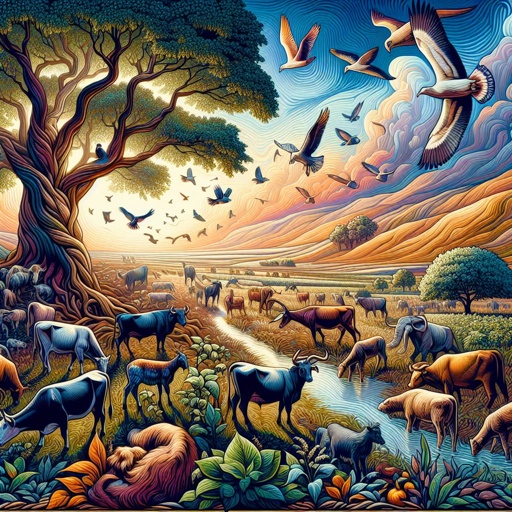
Leviticus 25:7 - "And for thy cattle, and for the beast that are in thy land, shall all the increase thereof be meat."
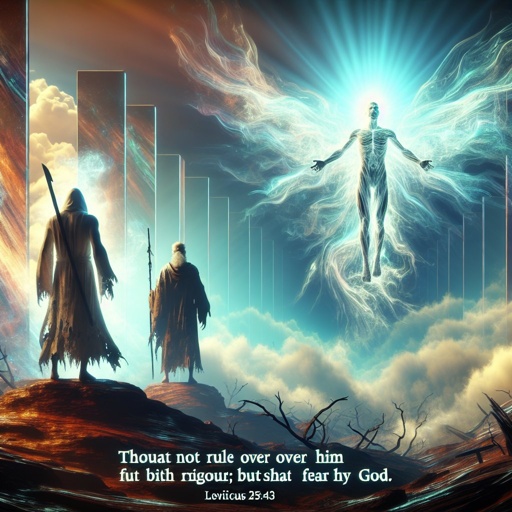
Leviticus 25:43 - "Thou shalt not rule over him with rigour; but shalt fear thy God."

Philippians 2:5-11
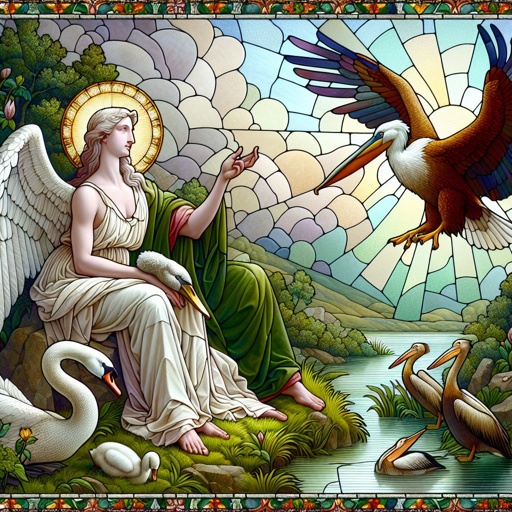
Leviticus 11:18 - "And the swan, and the pelican, and the gier eagle,"

Leviticus 25:32 - "Notwithstanding the cities of the Levites, and the houses of the cities of their possession, may the Levites redeem at any time."

Leviticus 27:25 - "And all thy estimations shall be according to the shekel of the sanctuary: twenty gerahs shall be the shekel."

Micah 5:2-5

Leviticus 25:25 - "¶ If thy brother be waxen poor, and hath sold away some of his possession, and if any of his kin come to redeem it, then shall he redeem that which his brother sold."

Leviticus 25:12 - "For it is the jubile; it shall be holy unto you: ye shall eat the increase thereof out of the field."

Leviticus 25:40 - "But as an hired servant, and as a sojourner, he shall be with thee, and shall serve thee unto the year of jubile:"

Cycle of sabbath rest year. Leviticus 25:1-7

Leviticus 11:17 - "And the little owl, and the cormorant, and the great owl,"

Leviticus 11:14 - "And the vulture, and the kite after his kind;"

Leviticus 11:15 - "Every raven after his kind;"

Leviticus 25:42 - "For they are my servants, which I brought forth out of the land of Egypt: they shall not be sold as bondmen."

Leviticus 11:30 - "And the ferret, and the chameleon, and the lizard, and the snail, and the mole."

Leviticus 25:48 - "After that he is sold he may be redeemed again; one of his brethren may redeem him:"
Genesis 25-11

Leviticus 25:36 - "Take thou no usury of him, or increase: but fear thy God; that thy brother may live with thee."