Purity in Every Vessel: A Call to Holiness
“Of all meat which may be eaten, that on which such water cometh shall be unclean: and all drink that may be drunk in every such vessel shall be unclean.” — Leviticus 11:34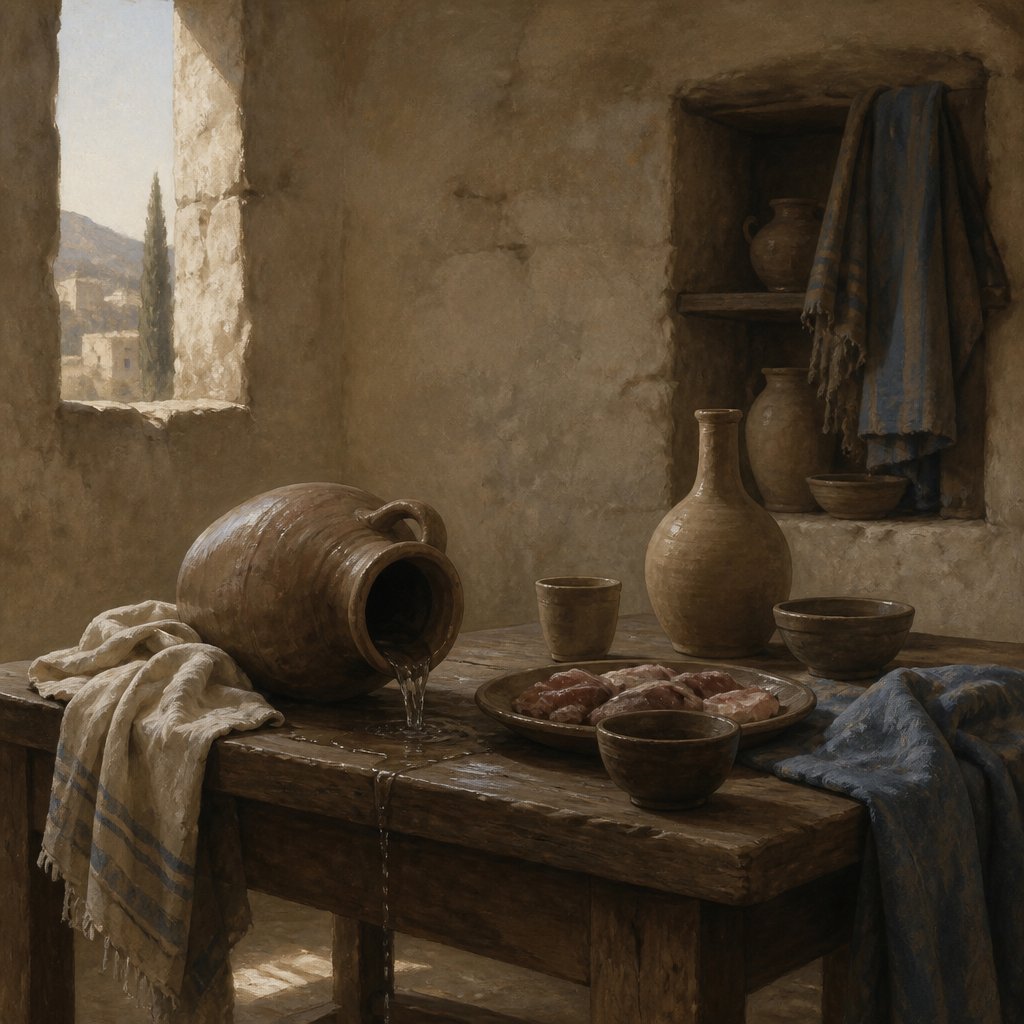
Leviticus 11:34 states, "Of all meat which may be eaten, that on which such water cometh shall be unclean: and all drink that may be drunk in every such vessel shall be unclean." At first glance, this verse concerning dietary laws and ceremonial cleanliness might seem distant and irrelevant to the contemporary believer. However, the underlying principles of purity and holiness resonate deeply with our spiritual lives today.
To fully understand this scripture, we must consider the context in which it was given. The book of Leviticus serves as a guide for the Israelites on how to live a life pleasing to God. It emphasizes the importance of holiness, distinguishing between what is clean and unclean. The dietary laws, while specific to the cultural and historical context of ancient Israel, carry profound implications about the nature of God and the relationship He desires with His people.
In this passage, the emphasis on the water that comes into contact with certain meats illustrates a broader spiritual truth: that which we allow into our lives affects our purity and holiness. Just as certain vessels could render food and drink unclean, so can the influences in our lives affect our spiritual wellbeing. The question we must ask ourselves is, "What types of things are we allowing into our lives, and how do they affect our relationship with God?"
In our modern context, we are bombarded with influences that can make us spiritually 'unclean.' These influences can take many forms: media consumption, social interactions, and even our thought patterns. The essence of this verse challenges us to be vigilant about our choices and the vessels through which we receive information and influences. As Paul reminds us in 1 Corinthians 15:33, "Be not deceived: evil communications corrupt good manners." This verse compels us to recognize that what we feed our minds and hearts shapes our walk with Christ and our ability to live out our faith.
Furthermore, the call to maintain purity extends beyond physical cleanliness and touches on the spiritual state of our hearts. As believers, we are called to be vessels of honor, sanctified and ready for every good work (2 Timothy 2:21). This means actively pursuing a lifestyle that upholds the values and teachings of Christ. It involves deliberate choices—guarding our thoughts, cultivating wholesome relationships, and engaging with uplifting content.
The cleanliness laws of Leviticus highlight a holy God who is perfect and desires His people to reflect Him. In the context of Christ’s sacrifice, we recognize that while no food or drink can make us spiritually 'clean' or 'unclean' in the same way, our relationship with God is still maintained through our pursuit of holiness and obedience. As Peter writes in 1 Peter 1:15-16, "But as he which hath called you is holy, so be ye holy in all manner of conversation; Because it is written, Be ye holy; for I am holy."
In light of this, each believer should ask themselves: "What vessels am I allowing to influence my spiritual state?" Are we consuming media that uplifts and inspires, or are we indulging in that which drags us down? Are our conversations and interactions reflective of Christ, or do they foster negativity and gossip?
Ultimately, Leviticus 11:34 invites us into a deeper understanding of what it means to live a life marked by purity. It encourages a constant evaluation of what we allow into our hearts and minds. By surrendering our vessels—our lives to God, we can ensure that we are not drawn into unclean practices but instead are equipped to glorify Him in all we do. May we choose to live as vessels of honor, remembering that we represent the holiness of Christ to a world in need.
Get our apps


Artwork for Leviticus 11:34

Leviticus 11:34 - "Of all meat which may be eaten, that on which such water cometh shall be unclean: and all drink that may be drunk in every such vessel shall be unclean."
"Of all meat which may be eaten, that on which such water cometh shall be unclean: and all drink that may be drunk in every such vessel shall be unclean." - Leviticus 11:34

Leviticus 25:34 - "But the field of the suburbs of their cities may not be sold; for it is their perpetual possession."

Leviticus 27:34 - "These are the commandments, which the LORD commanded Moses for the children of Israel in mount Sinai."

Leviticus 8:34 - "As he hath done this day, so the LORD hath commanded to do, to make an atonement for you."

Nehemiah 11:34 - "Hadid, Zeboim, Neballat,"
Leviticus 11:22
"But the field of the suburbs of their cities may not be sold; for it is their perpetual possession." - Leviticus 25:34

Leviticus 23:34 - "Speak unto the children of Israel, saying, The fifteenth day of this seventh month shall be the feast of tabernacles for seven days unto the LORD."
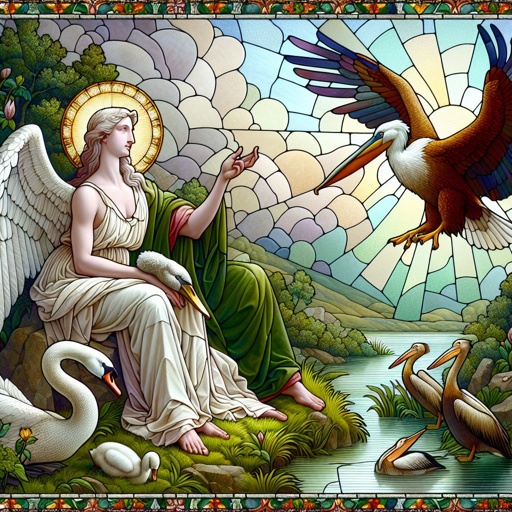
Leviticus 11:18 - "And the swan, and the pelican, and the gier eagle,"

Leviticus 14:34 - "When ye be come into the land of Canaan, which I give to you for a possession, and I put the plague of leprosy in a house of the land of your possession;"

Leviticus 16:34 - "And this shall be an everlasting statute unto you, to make an atonement for the children of Israel for all their sins once a year. And he did as the LORD commanded Moses."

"Hadid, Zeboim, Neballat," - Nehemiah 11:34

Leviticus 26:34 - "Then shall the land enjoy her sabbaths, as long as it lieth desolate, and ye be in your enemies' land; even then shall the land rest, and enjoy her sabbaths."

Leviticus 11:17 - "And the little owl, and the cormorant, and the great owl,"

Leviticus 11:14 - "And the vulture, and the kite after his kind;"
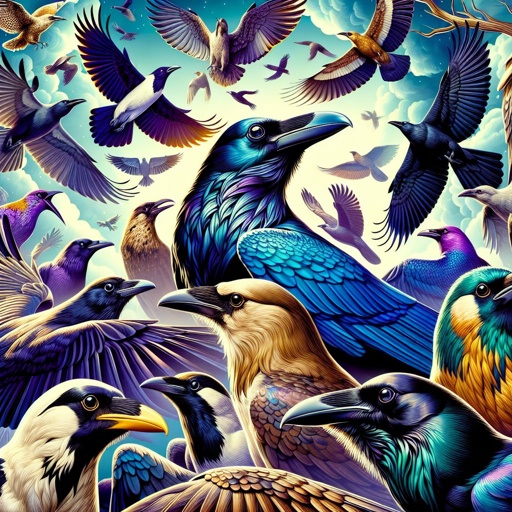
Leviticus 11:15 - "Every raven after his kind;"

1 Chronicles 11:34 - "The sons of Hashem the Gizonite, Jonathan the son of Shage the Hararite,"

Leviticus 11:30 - "And the ferret, and the chameleon, and the lizard, and the snail, and the mole."
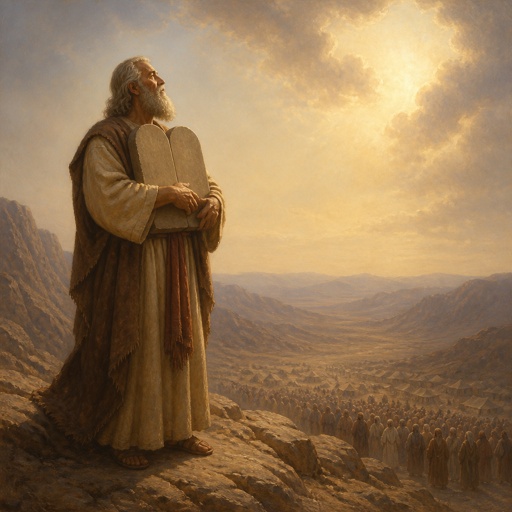
"These are the commandments, which the LORD commanded Moses for the children of Israel in mount Sinai." - Leviticus 27:34

Numbers 11:34 - "And he called the name of that place Kibroth-hattaavah: because there they buried the people that lusted."

Leviticus 11:19 - "And the stork, the heron after her kind, and the lapwing, and the bat."

Images that depicts the verse Matthew 27:11-34
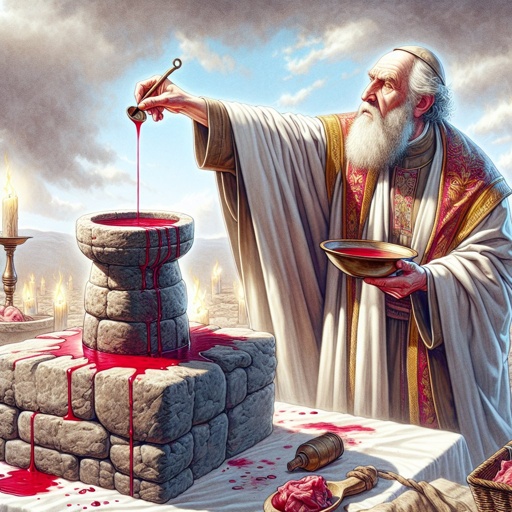
Leviticus 4:34 - "And the priest shall take of the blood of the sin offering with his finger, and put it upon the horns of the altar of burnt offering, and shall pour out all the blood thereof at the bottom of the altar:"

Romans 11:34 - "For who hath known the mind of the Lord? or who hath been his counsellor?"

Leviticus 9:11 - "And the flesh and the hide he burnt with fire without the camp."

Psalms 34:11 - "Come, ye children, hearken unto me: I will teach you the fear of the LORD."

Leviticus 11:1 - "And the LORD spake unto Moses and to Aaron, saying unto them,"

Leviticus 11:16 - "And the owl, and the night hawk, and the cuckow, and the hawk after his kind,"

John 11:34 - "And said, Where have ye laid him? They said unto him, Lord, come and see."