Purity in Presence: Lessons from Leviticus 11:39
“And if any beast, of which ye may eat, die; he that toucheth the carcase thereof shall be unclean until the even.” — Leviticus 11:39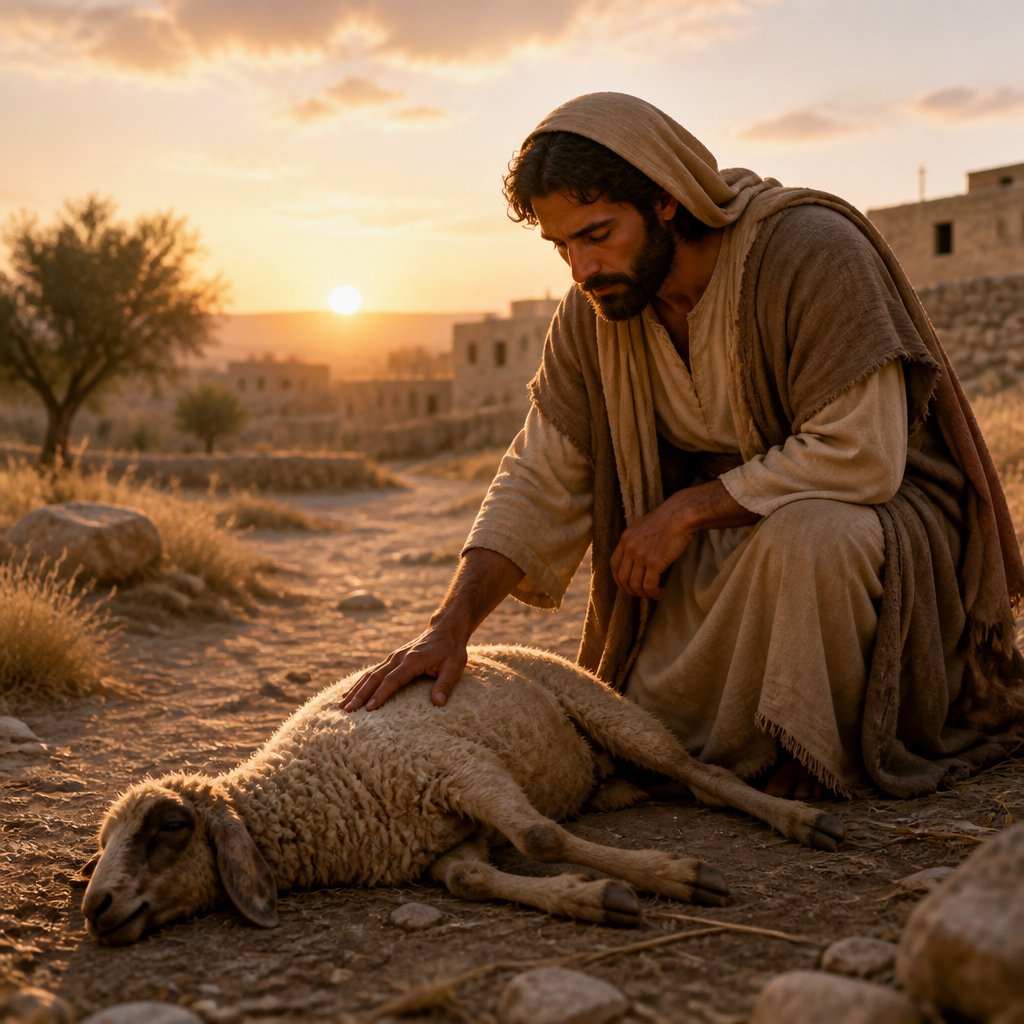
Leviticus 11:39 states, "And if any beast, of which ye may eat, die; he that toucheth the carcase thereof shall be unclean until the even.” At first glance, this verse seems to address dietary laws and physical cleanliness in the context of ancient Israel’s ceremonial practices. However, on deeper reflection, there is a transformative message about purity and the spiritual implications of our interactions with the world around us.
In the ancient Israelite culture, the laws concerning uncleanness were meticulous. They formed part of a broader system that governed Israel’s identity as the people of God. Clean and unclean were not mere physical states but were steeped in moral and spiritual significance. The Israelites were being taught that how they interacted with creation had direct implications for their relationship with the Creator. When an animal that was considered clean died, touching it rendered a person unclean until evening. This notion of purity and uncleanness prompts us to consider the importance of spiritual hygiene in our own lives today.
What does it mean to be unclean? It’s a state that requires attention, repentance, and restoration. In a spiritual context, uncleanness can represent anything that separates us from God. Sin, distractions, and even societal influences can lead us to a place of spiritual impurity. This verse, therefore, invites us to reflect on the significance of what we allow ourselves to touch and be involved with. Just as the Israelites needed to avoid contact with a dead body to maintain their ceremonial purity, we too need to be conscious of the influences that can harm our spiritual integrity.
The act of touching the carcass symbolizes the risks we take when we engage with things that can corrupt our hearts and minds. The dead animal signifies a loss—a life extinguished, a purpose forgotten. When we touch what is dead, we take on the risk of its decay; thus, we must be wary of the spiritual carcasses in our lives. These may be relationships that pull us away from our values, habits that lead us to darkness, or thoughts that dwell on negativity and despair. Jesus echoed similar sentiments when He taught about the heart being the source of our actions (Matthew 15:18-19), reminding us that it is crucial to monitor what we allow to affect our spiritual health.
Furthermore, the concept of being unclean until evening signifies a period of waiting, an invitation to reflection and restoration. It is a reminder that while we might become unclean, there is always an opportunity to cleanse ourselves spiritually. The evening signifies a return to wholeness and purity—a cycle of renewal that God extends to us. There’s a divine promise that we can return to a state of cleanliness, which points us toward repentance and God’s grace.
This leads us to consider how we can actively prevent ourselves from becoming unclean. Are there areas in our lives where we need to set boundaries? Are there relationships or habits that may not align with our faith? It’s crucial to identify these ‘carcasses’ in our lives and make intentional steps to navigate away from them. Just as the Israelites had to be cautious and deliberate about what they engaged with, we, too, must establish practices that maintain our spiritual health—prayer, reading scripture, and fellowship with other believers.
In a time when our world is rife with distractions, temptations, and ‘cultural carcasses’ that can corrupt our spirits, let us heed the wisdom found in these ancient laws. May we be vigilant in our pursuit of holiness, consciously choosing what we touch and engage with, so that our lives reflect the purity of our calling as sons and daughters of God. Remember, returning to purity requires humility and a heart open to the transforming power of grace. Let us embrace this journey, seeking to touch what brings life, rather than what brings death.
Get our apps


Artwork for Leviticus 11:39

Leviticus 11:39 - "And if any beast, of which ye may eat, die; he that toucheth the carcase thereof shall be unclean until the even."
"And if any beast, of which ye may eat, die; he that toucheth the carcase thereof shall be unclean until the even." - Leviticus 11:39

Ezekiel 39:11

Ezekiel 39:11

Leviticus 14:39 - "And the priest shall come again the seventh day, and shall look: and, behold, if the plague be spread in the walls of the house;"

Exodus 39:11 - "And the second row, an emerald, a sapphire, and a diamond."

Leviticus 25:39 - "¶ And if thy brother that dwelleth by thee be waxen poor, and be sold unto thee; thou shalt not compel him to serve as a bondservant:"

Leviticus 26:39 - "And they that are left of you shall pine away in their iniquity in your enemies' lands; and also in the iniquities of their fathers shall they pine away with them."
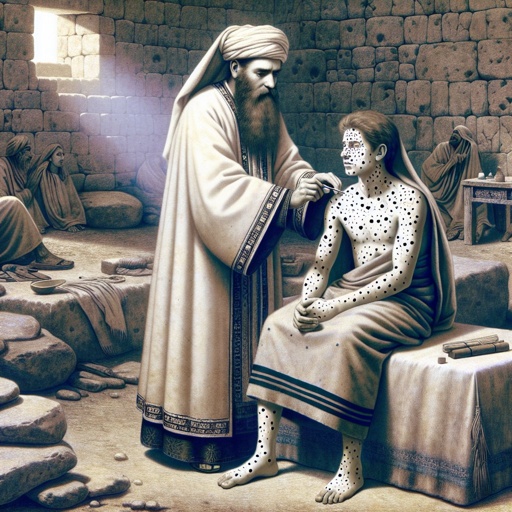
Leviticus 13:39 - "Then the priest shall look: and, behold, if the bright spots in the skin of their flesh be darkish white; it is a freckled spot that groweth in the skin; he is clean."

1 Kings 11:39 - "And I will for this afflict the seed of David, but not for ever."

1 Chronicles 11:39 - "Zelek the Ammonite, Naharai the Berothite, the armourbearer of Joab the son of Zeruiah,"

Hebrews 11:39 - "And these all, having obtained a good report through faith, received not the promise:"
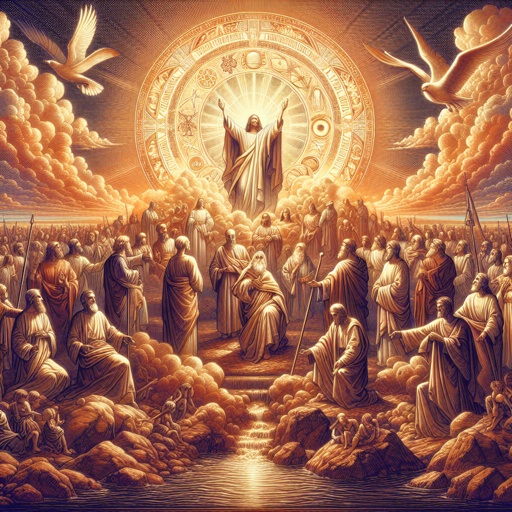
Leviticus 11:22

"And the second row, an emerald, a sapphire, and a diamond." - Exodus 39:11
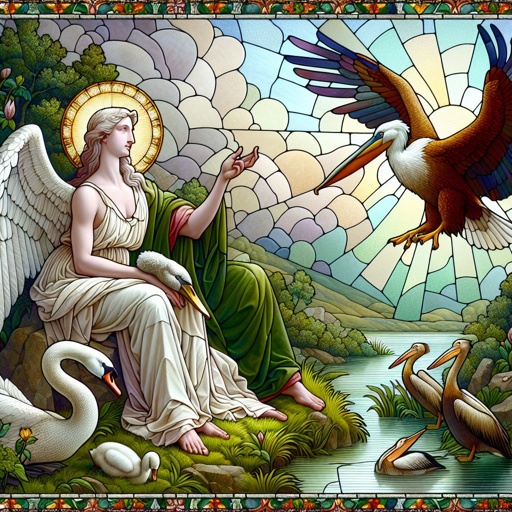
Leviticus 11:18 - "And the swan, and the pelican, and the gier eagle,"

Jeremiah 39:11 - "¶ Now Nebuchadrezzar king of Babylon gave charge concerning Jeremiah to Nebuzar-adan the captain of the guard, saying,"

Revelation 12:3-9

Leviticus 11:17 - "And the little owl, and the cormorant, and the great owl,"

Leviticus 11:14 - "And the vulture, and the kite after his kind;"

Leviticus 11:15 - "Every raven after his kind;"

Ezekiel 39:11 Valley of Hamongog east of the dead sea in Israel

Job 39:11 - "Wilt thou trust him, because his strength is great? or wilt thou leave thy labour to him?"

Genesis 39:11 - "And it came to pass about this time, that Joseph went into the house to do his business; and there was none of the men of the house there within."

"And I will for this afflict the seed of David, but not for ever." - 1 Kings 11:39

Leviticus 11:30 - "And the ferret, and the chameleon, and the lizard, and the snail, and the mole."
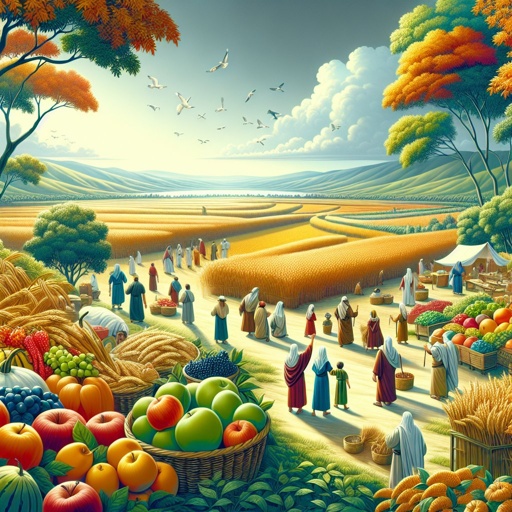
Leviticus 23:39 - "Also in the fifteenth day of the seventh month, when ye have gathered in the fruit of the land, ye shall keep a feast unto the LORD seven days: on the first day shall be a sabbath, and on the eighth day shall be a sabbath."

Leviticus 11:19 - "And the stork, the heron after her kind, and the lapwing, and the bat."

Leviticus 9:11 - "And the flesh and the hide he burnt with fire without the camp."
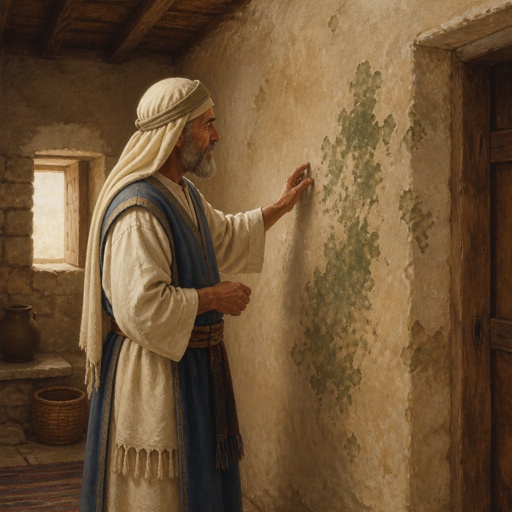
"And the priest shall come again the seventh day, and shall look: and, behold, if the plague be spread in the walls of the house;" - Leviticus 14:39

Leviticus 11:1 - "And the LORD spake unto Moses and to Aaron, saying unto them,"