The Hidden Depths of Our Hearts
"But if the priest look on it, and, behold, there be no white hair in the bright spot, and it be no lower than the other skin, but be somewhat dark; then the priest shall shut him up seven days:" - Leviticus 13:26
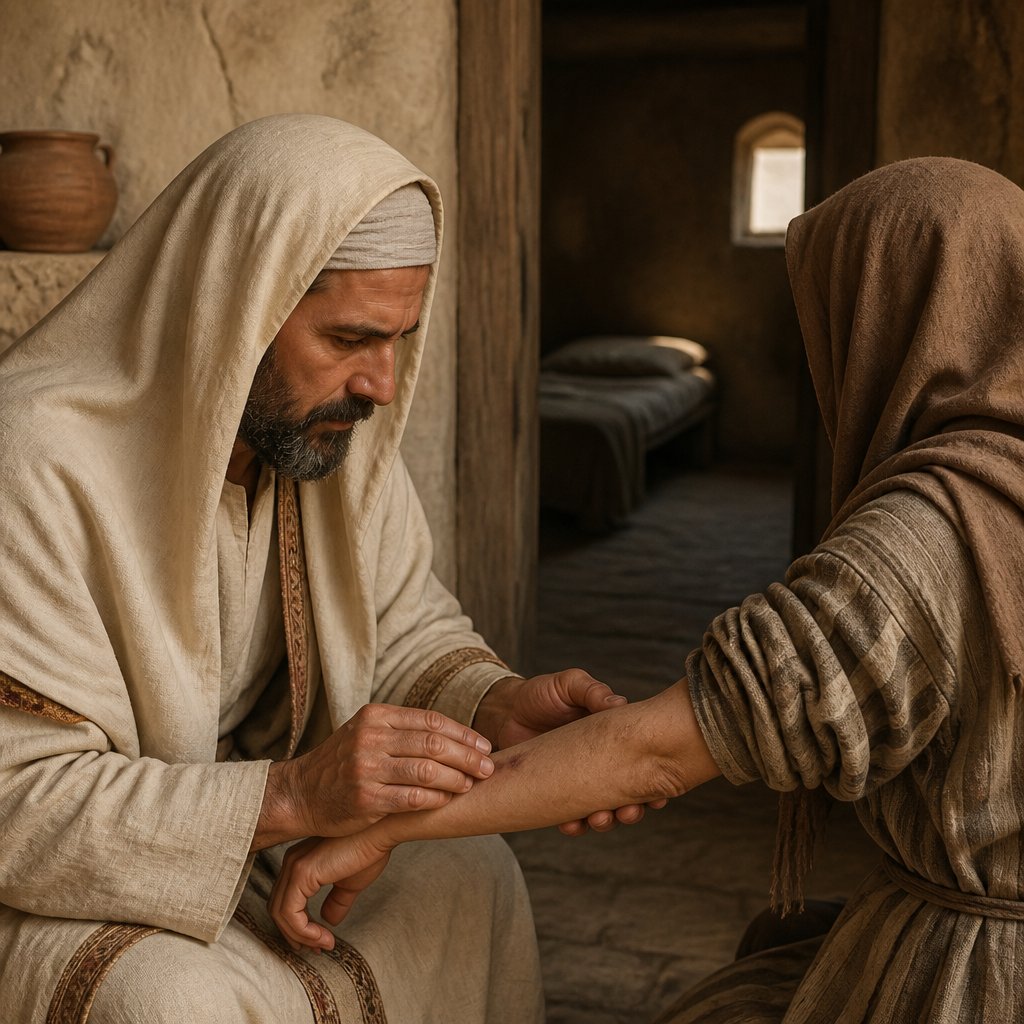
In Leviticus 13:26, the Lord gives a detailed instruction through Moses regarding leprosy and its diagnosis by the priests: "But if the priest look on it, and, behold, there be no white hair in the bright spot, and it be no lower than the other skin, but be somewhat dark; then the priest shall shut him up seven days.” At first glance, this prescription seems like a mere health advisory, a part of the ancient law that regulated physical ailments. However, within this verse lies a profound spiritual truth about the condition of our hearts and the scrutiny of our lives under God’s examining grace.
Leprosy in the biblical context symbolizes sin and spiritual disease. When the priest examines an individual, he embodies the role of a discerning shepherd, tasked with identifying that which is potentially harmful, not just physically but spiritually. The various attributes that the priest looks for—the absence of white hair, the elevation of the bright spot compared to the surrounding skin, and the darkness of the blemish—represent the condition of our hearts before God. It beckons us to reflect on the subtleties of sin that might be present in our lives.
The phrase "no white hair in the bright spot" sets the stage for a critical observation. White hair often indicates age, wisdom, and the results of a long journey. Spiritually, it could symbolize the presence of maturity or the manifest work of God in a person’s life. The absence of white hair in the bright spot suggests that there may be an issue that hasn't yet matured into an open sin but remains concealed, almost like those areas of our lives that we justify or ignore.
The instruction that the bright spot should be "no lower than the other skin" indicates the importance of elevation, suggesting spiritual growth. Areas in our lives that are not growing may point to stagnation. In our walk with Christ, we are continually called to rise above our past mistakes and sin patterns. This resonates deeply in our daily lives; are we merely existing in our faith, or are we actively pursuing a deeper relationship with the Lord? Do we allow minor flaws within us to stand out without seeking divine correction?
Next, let’s consider the "somewhat dark" description of the spot. Darkness in Scripture often represents sin, concealment, and separation from God’s light. Therefore, a dark spot may indicate an area where sin is still deceptively active, often hidden from plain sight. The priest determining the condition of this blemish serves as a reminder of the ultimate Judge—God Himself—who discerns the hidden sins of our hearts that we might ignore. How many parts of our lives have we allowed to remain in the shadow of darkness? Can we be honest with ourselves and God about these hidden areas?
The directive for the priest to "shut him up seven days" may seem harsh, yet it reflects God’s profound commitment to healing and restoration. In this seclusion, the individual is given an opportunity to examine his own heart. The number seven in biblical terms represents completeness or perfection. In the quietness away from the crowd, there is a chance for self-reflection, repentance, and ultimately grace. God’s desire is not punishment; rather, it’s an invitation to healing. This seven-day period can culminate in greater awareness of our spiritual health.
Therefore, as we meditate on Leviticus 13:26, let us allow it to penetrate deep into our souls. Are we experiencing areas of our lives that resemble that dark bright spot—perhaps financial worries, relationship trouble, or unconfessed sin? Just as the leper underwent scrutiny, we too should invite the Holy Spirit to examine our hearts. It is essential to remember that in the God-given time of introspection, we find a pathway not to condemnation, but rather to cleansing and restoration through the blood of Jesus Christ, who came to heal the sick and restore the sinner.
In conclusion, let this verse serve as a clarion call, beckoning us to take a closer look at our lives under God’s illuminating light. With honesty and vulnerability, let’s bring our dark spots to Him, trusting that He who began a good work in us will bring it to completion. May we emerge not merely cleansed but transformed.
Want to reflect more on Leviticus 13:26?
Continue your spiritual journey with Bible Chat — an AI-powered tool for exploring God's Word through conversation. Ask questions, discover connections, and deepen your understanding.
Get Our Apps


Leviticus 13:26 Artwork
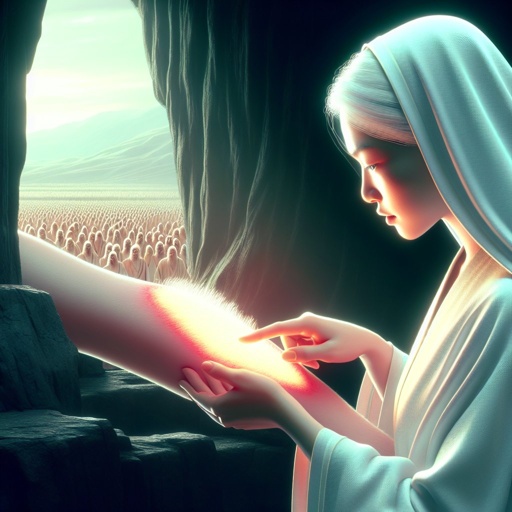
Leviticus 13:26 - "But if the priest look on it, and, behold, there be no white hair in the bright spot, and it be no lower than the other skin, but be somewhat dark; then the priest shall shut him up seven days:"
"But if the priest look on it, and, behold, there be no white hair in the bright spot, and it be no lower than the other skin, but be somewhat dark; then the priest shall shut him up seven days:" - Leviticus 13:26

Leviticus 26:13 - "I am the LORD your God, which brought you forth out of the land of Egypt, that ye should not be their bondmen; and I have broken the bands of your yoke, and made you go upright."

Leviticus 26: 4-6

Leviticus 26: 4-6
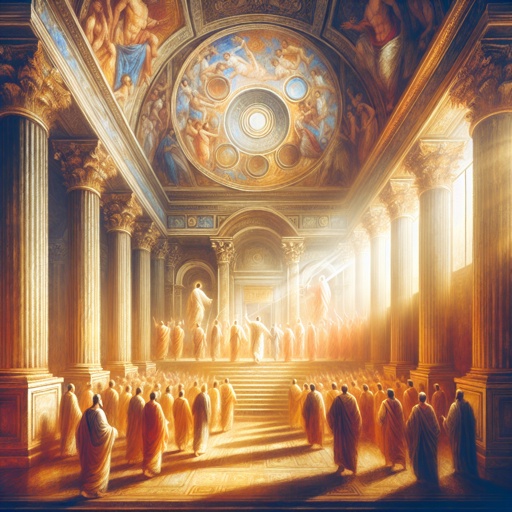
Leviticus 26: 4-6

Leviticus 23:26 - "¶ And the LORD spake unto Moses, saying,"

Leviticus 22:26 - "¶ And the LORD spake unto Moses, saying,"

Leviticus 26:14 - "¶ But if ye will not hearken unto me, and will not do all these commandments;"

Leviticus 25:26 - "And if the man have none to redeem it, and himself be able to redeem it;"

Leviticus 20:22-26 simple picture

Picture to summarize Leviticus 20:22-26

Leviticus 26:23 - "And if ye will not be reformed by me by these things, but will walk contrary unto me;"

Leviticus 26:3 - "¶ If ye walk in my statutes, and keep my commandments, and do them;"

Leviticus 14:26 - "And the priest shall pour of the oil into the palm of his own left hand:"

Leviticus 26:27 - "And if ye will not for all this hearken unto me, but walk contrary unto me;"

Leviticus 26:7 - "And ye shall chase your enemies, and they shall fall before you by the sword."

Leviticus 26:12 - "And I will walk among you, and will be your God, and ye shall be my people."

Leviticus 26:10 - "And ye shall eat old store, and bring forth the old because of the new."

Leviticus 26:2 - "¶ Ye shall keep my sabbaths, and reverence my sanctuary: I am the LORD."

Leviticus 26:11 - "And I will set my tabernacle among you: and my soul shall not abhor you."

Leviticus 26:32 - "And I will bring the land into desolation: and your enemies which dwell therein shall be astonished at it."

Leviticus 26:38 - "And ye shall perish among the heathen, and the land of your enemies shall eat you up."
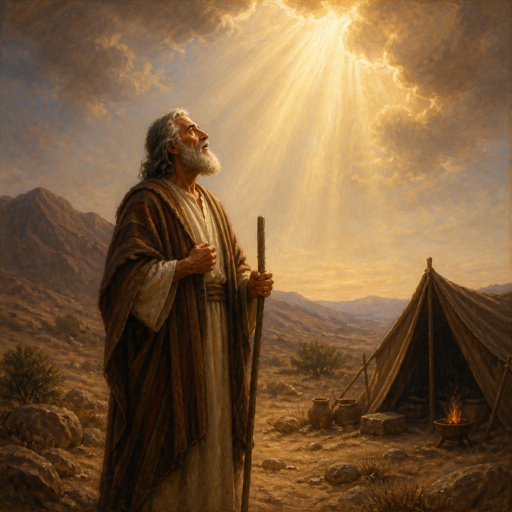
"¶ And the LORD spake unto Moses, saying," - Leviticus 23:26

Leviticus 24:13 - "And the LORD spake unto Moses, saying,"
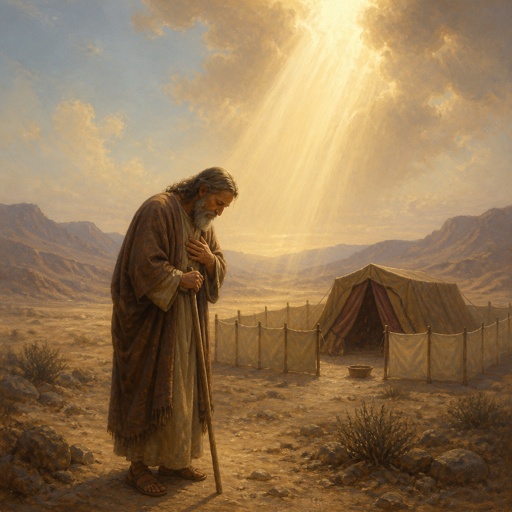
"¶ And the LORD spake unto Moses, saying," - Leviticus 22:26

Leviticus 7:26 - "Moreover ye shall eat no manner of blood, whether it be of fowl or of beast, in any of your dwellings."

Leviticus 6:26 - "The priest that offereth it for sin shall eat it: in the holy place shall it be eaten, in the court of the tabernacle of the congregation."

Leviticus 26:19 - "And I will break the pride of your power; and I will make your heaven as iron, and your earth as brass:"

Leviticus 21:13 - "And he shall take a wife in her virginity."