Understanding Spiritual Cleanliness: Insights from Leviticus 13:20
"And if, when the priest seeth it, behold, it be in sight lower than the skin, and the hair thereof be turned white; the priest shall pronounce him unclean: it is a plague of leprosy broken out of the boil." - Leviticus 13:20
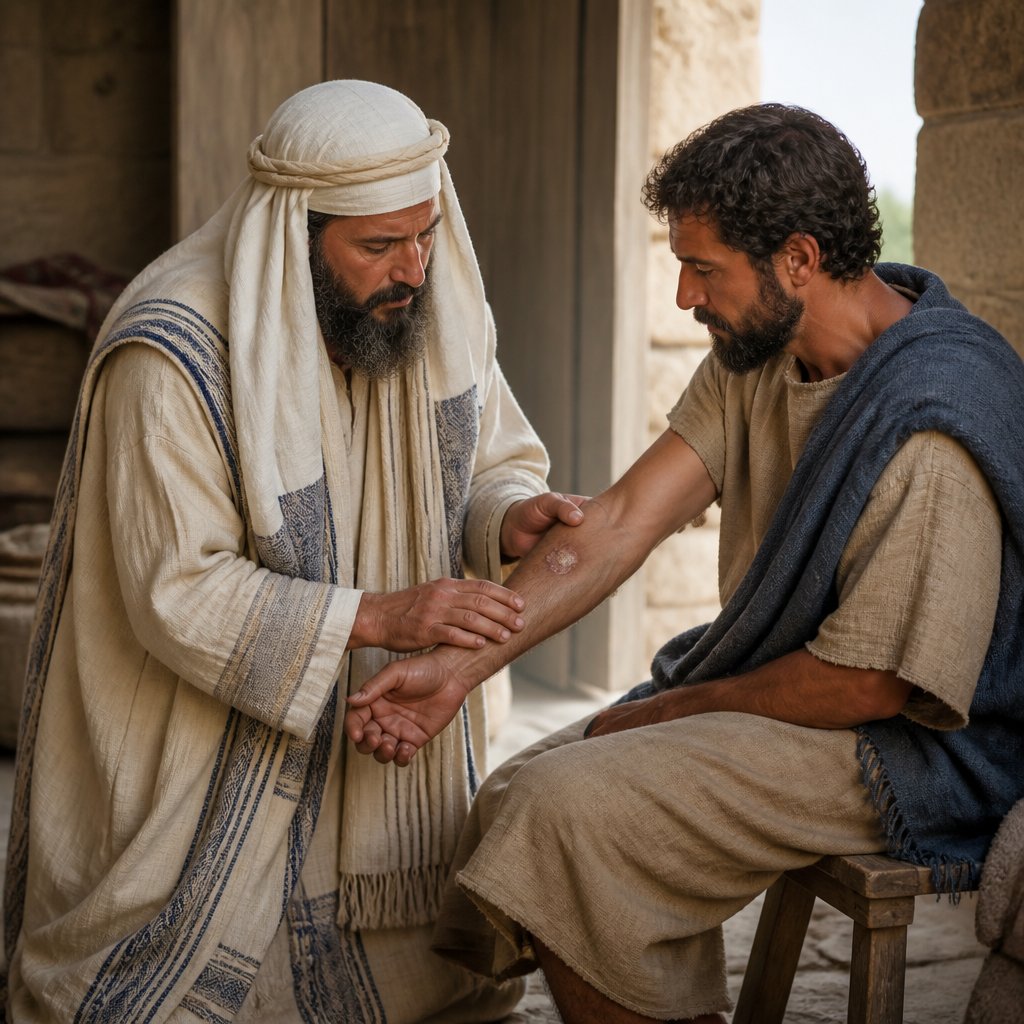
The book of Leviticus, nestled within the Torah, may often appear daunting or even remote to modern readers, yet it holds profound truths that remain relevant today. In Leviticus 13:20, we find a crucial instruction regarding the priest's role in identifying leprosy: "And if, when the priest seeth it, behold, it be in sight lower than the skin, and the hair thereof be turned white; the priest shall pronounce him unclean: it is a plague of leprosy broken out of the boil." This verse invites us to explore the themes of purity, community, and God’s intentions for His people.
Leprosy, in biblical times, was not merely a physical ailment but a sign of spiritual condition. The visible manifestation—rising up from the skin and changing color—served as an indicator of something deeper within a person. The process of diagnosing leprosy by a priest acted as a divine appointment, ensuring that those who were afflicted bore the weight of their condition visibly, just as one’s spiritual state is often reflected in the actions and attitudes of the heart.
When the priest declared someone unclean, it was not an arbitrary sentence but a necessary separation intended to protect the community and the individual. An unclean person was required to maintain distance, symbolizing the severity of sin’s consequence. This act of separation serves as a poignant reminder that unaddressed sin—whether manifesting in selfishness, pride, or other disobedience—can infect and contaminate the community, just like a physical plague.
What can we learn from this ancient practice? For one, it illustrates the importance of spiritual vigilance. Just as a priest was tasked with discerning unclean conditions, we too must be discerning in our spiritual lives. We should consistently evaluate the condition of our hearts, asking ourselves tough questions about our thoughts and behaviors. Is there something beneath the surface—a hidden sin or a destructive pattern—that needs addressing? God calls us to bring these things into the light, confessing them to Him, so we can experience true healing.
The symbolism of the hair turning white is particularly instructive. Hair often symbolizes wisdom, maturity, and a connection to our identity. In this context, white hair could indicate a loss of vitality and hope. It represents a state in which sin has taken root, diminishing the life and vibrancy of our being. However, there is hope! The process of coming to God, acknowledging our spiritual health, and seeking His restoration leads to the renewal of our hearts and minds.
Moreover, this passage emphasizes the community aspect of faith. The priest’s role signifies the importance of accountability within the body of believers. We are called to bear one another's burdens (Galatians 6:2) and to encourage one another in the journey of sanctification. Just as the priest examined that which was in plain sight but deeper than skin, we as a community must support one another in seeking Christ and being willing to discuss and pray through our challenges together.
In a larger context, this scripture points toward Christ, who is the ultimate healer. Where the Old Testament law rendered one unclean, Christ came to fulfill the law, offering grace and redemption. His work on the cross enables us to be cleansed and transformed, erasing the stigma of sin from our lives.
In closing, Leviticus 13:20 asks us to reflect on our spiritual states, our accountability to one another, and the grace we have through Jesus. Let us seek to understand what it means to be clean in heart and conduct, actively pursuing a life that reflects God’s holiness in the community around us. Let us not shy away from the process of discernment that God calls us into, knowing that through it, we find the path to true purity and communion with Him.
Want to reflect more on Leviticus 13:20?
Continue your spiritual journey with Bible Chat — an AI-powered tool for exploring God's Word through conversation. Ask questions, discover connections, and deepen your understanding.
Get Our Apps


Leviticus 13:20 Artwork
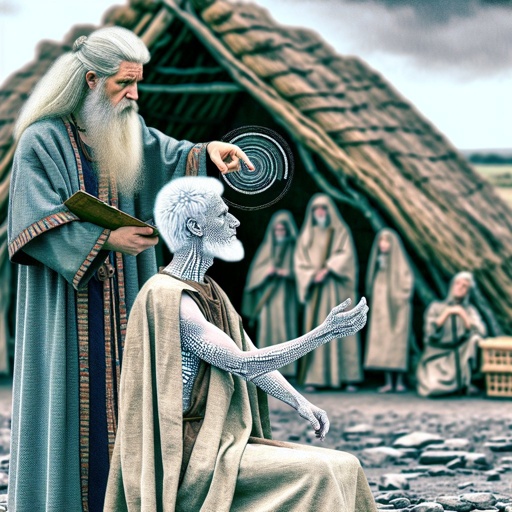
Leviticus 13:20 - "And if, when the priest seeth it, behold, it be in sight lower than the skin, and the hair thereof be turned white; the priest shall pronounce him unclean: it is a plague of leprosy broken out of the boil."
"And if, when the priest seeth it, behold, it be in sight lower than the skin, and the hair thereof be turned white; the priest shall pronounce him unclean: it is a plague of leprosy broken out of the boil." - Leviticus 13:20

Leviticus 20:13 - "If a man also lie with mankind, as he lieth with a woman, both of them have committed an abomination: they shall surely be put to death; their blood shall be upon them."

Leviticus 23:20

Leviticus 24:20-23

Leviticus 20:1 - "And the LORD spake unto Moses, saying,"

Leviticus 10:20 - "And when Moses heard that, he was content."

Leviticus 20:22-26 simple picture

Picture to summarize Leviticus 20:22-26

Leviticus 24:13 - "And the LORD spake unto Moses, saying,"

Leviticus 20:20 - "And if a man shall lie with his uncle's wife, he hath uncovered his uncle's nakedness: they shall bear their sin; they shall die childless."

Leviticus 21:13 - "And he shall take a wife in her virginity."

Leviticus 13:1 - "And the LORD spake unto Moses and Aaron, saying,"

Leviticus 9:20 - "And they put the fat upon the breasts, and he burnt the fat upon the altar:"

Leviticus 8:20 - "And he cut the ram into pieces; and Moses burnt the head, and the pieces, and the fat."

Leviticus 22:20 - "But whatsoever hath a blemish, that shall ye not offer: for it shall not be acceptable for you."

Leviticus 13:35 - "But if the scall spread much in the skin after his cleansing;"

Leviticus 13:29 - "¶ If a man or woman have a plague upon the head or the beard;"

Leviticus 20:7 - "¶ Sanctify yourselves therefore, and be ye holy: for I am the LORD your God."

Leviticus 13:18 - "¶ The flesh also, in which, even in the skin thereof, was a boil, and is healed,"

Luke 13:20-21

Luke 13:20-21

Luke 13:20-21

Luke 13:20-21
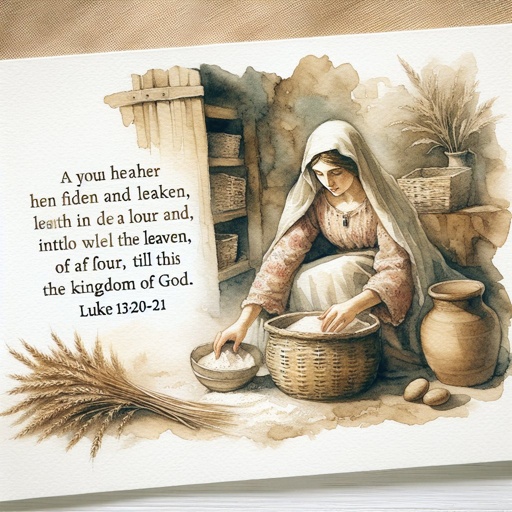
Luke 13:20-21

Leviticus 13:14 - "But when raw flesh appeareth in him, he shall be unclean."

Leviticus 18:20 - "Moreover thou shalt not lie carnally with thy neighbour's wife, to defile thyself with her."

Leviticus 11:20 - "All fowls that creep, going upon all four, shall be an abomination unto you."

Leviticus 21:20 - "Or crookbackt, or a dwarf, or that hath a blemish in his eye, or be scurvy, or scabbed, or hath his stones broken;"

"And the LORD spake unto Moses, saying," - Leviticus 20:1