Sacrifice and Holiness: A Deep Dive into Leviticus 14:13
“And he shall slay the lamb in the place where he shall kill the sin offering and the burnt offering, in the holy place: for as the sin offering is the priest’s, so is the trespass offering: it is most holy:” — Leviticus 14:13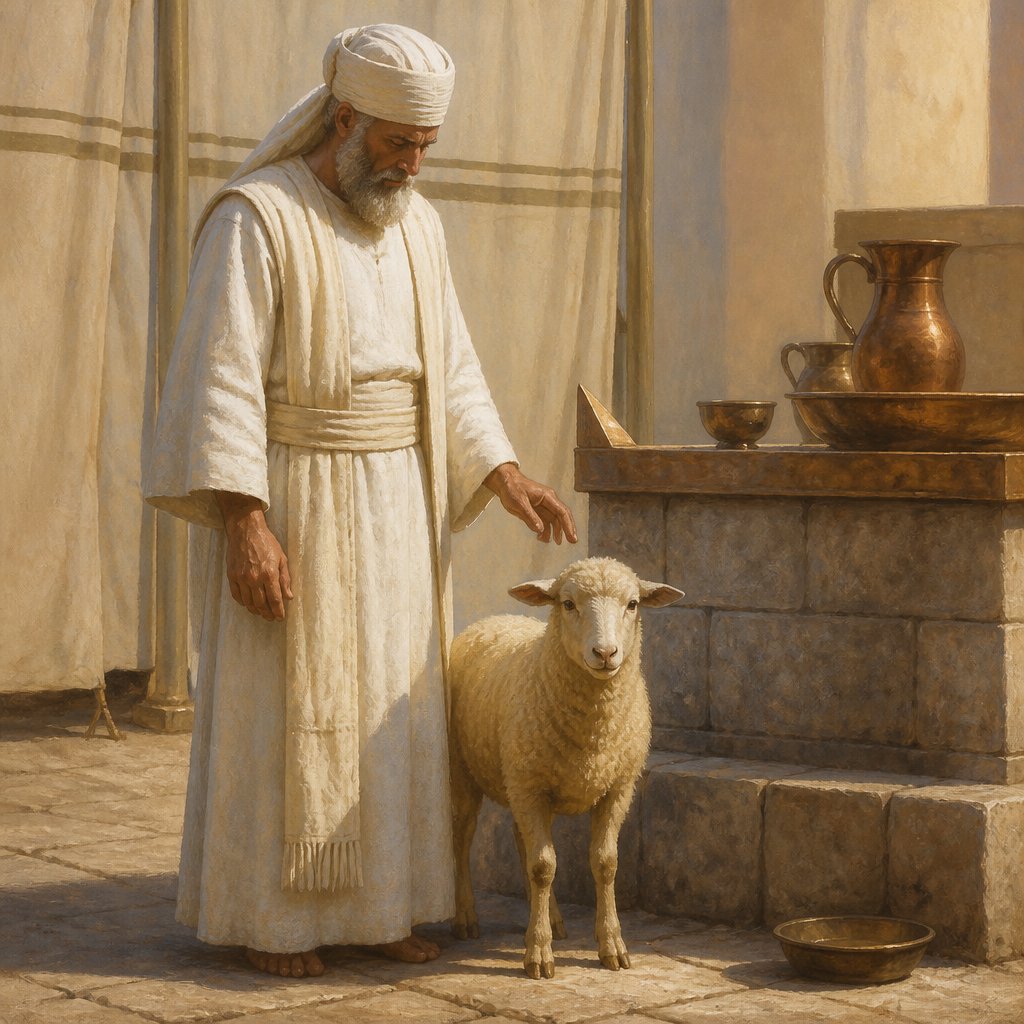
In the book of Leviticus, the Lord outlines the intricate details of sacrifices that were not just rituals but profound expressions of faith, obedience, and restoration. Today, we focus on Leviticus 14:13, which states: "And he shall slay the lamb in the place where he shall kill the sin offering and the burnt offering, in the holy place: for as the sin offering is the priest's, so is the trespass offering: it is most holy."
At first glance, this verse may appear to be an obscure command within an ancient law code, but upon closer inspection, it reveals vital truths about sin, sacrifice, and holiness that can profoundly impact our understanding of God’s nature and our relationship with Him.
### The Context of the Sacrifice
To understand the significance of this verse, we must first consider its context. Leviticus, often referred to as the guidebook for holiness, meticulously lays out the laws governing worship, purity, and sacrificial practices for the Israelites. It emphasizes that God is holy, and for His people to dwell in His presence, they must also embody holiness.
The lamb mentioned in this passage symbolizes innocence and purity—qualities that are essential in approaching a holy God. This offering represents the substitute that takes the place of the sinful individual, echoing the theme of atonement. The act of slaying the lamb in the same place as the sin offering provides a vivid picture of how serious sin is in the sight of God and the lengths to which He has gone to provide reconciliation.
### The Holy Place
The 'holy place' signifies the sanctuary, a sacred space where God’s presence dwells. The command to make the sacrifice here emphasizes the intimate relationship between the act of atonement and the holiness of God. It points to an essential truth: approaching God requires acknowledging His holiness and the reality of our unworthiness due to sin.
Esoteric as this might seem today, every believer can relate to this aspect of approaching God through their own understanding of sin and the need for redemption. The holy place was where forgiveness and restoration would commence through the act of sacrifice.
### The Holiness of Offerings
Leviticus 14:13 underscores that both the sin offering and the trespass offering carry immense weight; they are described as "most holy." In this, we recognize that there is no trivialization of sin in God's economy. Both sacrifices reveal deep-seated truths about accountability for our actions. Not only is God concerned with our adherence to His commands, but He is equally invested in the posture of our hearts when we come to Him.
The language of holiness here serves as a stark reminder. Each offering points toward an essential characteristic of God: His absolute purity. Likewise, it calls believers today to wholeness of spirit and truth in our relationship with Him, urging us to approach Him not only with the offerings of our lips but also the sacrifices of our everyday lives—our time, resources, and obedience.
### Foreshadowing Christ
As Christians, we find immense significance in this passage as it foreshadows the perfect sacrifice of Jesus Christ. He is the Lamb who was slain, fulfilling the ultimate purpose of these early offerings. When we reflect on Leviticus 14:13, we cannot ignore the reality that Christ became the sin offering for all of humanity, allowing us everlasting access to the holy place—God's presence. His sacrifice was not just for the cleansing of sin but an invitation into a restored relationship with God.
### Conclusion
In conclusion, Leviticus 14:13 serves as a poignant reminder of the seriousness of sin and the holy response that God desires from us. As we meditate on the sacrifices made for our sin, let us not take lightly the grace extended to us through Christ’s atonement. May we continually seek to live lives that reflect the holiness of God by approaching Him with reverence and humility, inviting His transformative power into our daily existence. Remember, just as the offerings were an essential part of worship in Israel, the sacrifice of praise and the commitment to holiness is still a call for us today.
Get our apps


Artwork for Leviticus 14:13

Leviticus 14:13 - "And he shall slay the lamb in the place where he shall kill the sin offering and the burnt offering, in the holy place: for as the sin offering is the priest's, so is the trespass offering: it is most holy:"
"And he shall slay the lamb in the place where he shall kill the sin offering and the burnt offering, in the holy place: for as the sin offering is the priest's, so is the trespass offering: it is most holy:" - Leviticus 14:13

Leviticus 13:14 - "But when raw flesh appeareth in him, he shall be unclean."

"But when raw flesh appeareth in him, he shall be unclean." - Leviticus 13:14

Leviticus 14:51

Leviticus 14:55 - "And for the leprosy of a garment, and of a house,"

Leviticus 14:56 - "And for a rising, and for a scab, and for a bright spot:"

Leviticus 14:1 - "And the LORD spake unto Moses, saying,"

Leviticus 11:14 - "And the vulture, and the kite after his kind;"

Leviticus 5:14 - "¶ And the LORD spake unto Moses, saying,"

Leviticus 24:13 - "And the LORD spake unto Moses, saying,"

Leviticus 14:54 - "This is the law for all manner of plague of leprosy, and scall,"

Leviticus 21:13 - "And he shall take a wife in her virginity."

Leviticus 13:1 - "And the LORD spake unto Moses and Aaron, saying,"

Leviticus 26:14 - "¶ But if ye will not hearken unto me, and will not do all these commandments;"

Leviticus 14:33 - "¶ And the LORD spake unto Moses and unto Aaron, saying,"

Leviticus 13:35 - "But if the scall spread much in the skin after his cleansing;"

Leviticus 14:57 - "To teach when it is unclean, and when it is clean: this is the law of leprosy."

"And for the leprosy of a garment, and of a house," - Leviticus 14:55

Leviticus 13:29 - "¶ If a man or woman have a plague upon the head or the beard;"

Leviticus 13:18 - "¶ The flesh also, in which, even in the skin thereof, was a boil, and is healed,"

Leviticus 14:26 - "And the priest shall pour of the oil into the palm of his own left hand:"

Leviticus 13:47 - "¶ The garment also that the plague of leprosy is in, whether it be a woollen garment, or a linen garment;"

Leviticus 14:30 - "And he shall offer the one of the turtledoves, or of the young pigeons, such as he can get;"

Leviticus 13:9 - "¶ When the plague of leprosy is in a man, then he shall be brought unto the priest;"

"And for a rising, and for a scab, and for a bright spot:" - Leviticus 14:56

1 Samuel 13:13-14

Leviticus 13:22 - "And if it spread much abroad in the skin, then the priest shall pronounce him unclean: it is a plague."

Leviticus 25:13 - "In the year of this jubile ye shall return every man unto his possession."

Leviticus 6:13 - "The fire shall ever be burning upon the altar; it shall never go out."