Cleansed and Restored: The Journey of the Leper
“This shall be the law of the leper in the day of his cleansing: He shall be brought unto the priest:” — Leviticus 14:2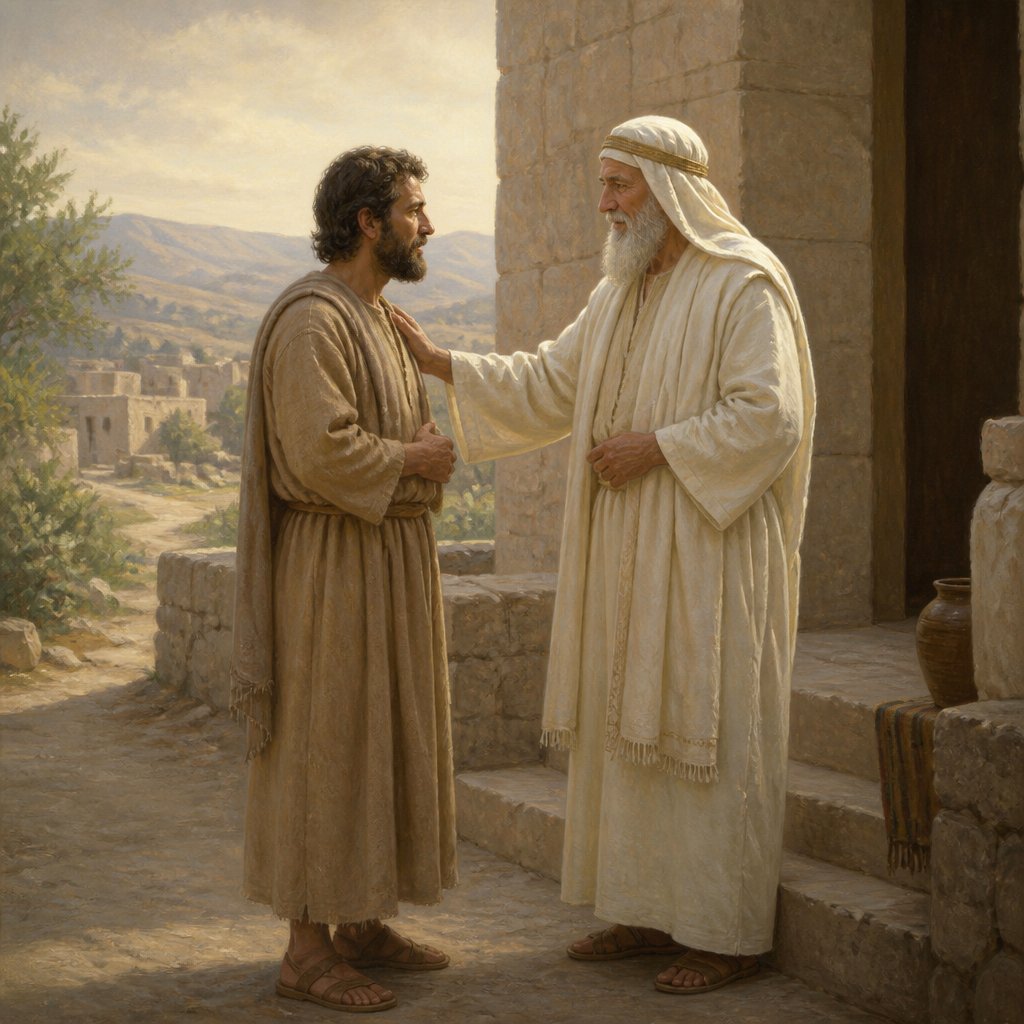
The book of Leviticus can often seem daunting, filled with laws and regulations that feel distant from our modern experiences. Yet, within these ancient statutes lies profound significance for our spiritual lives today. Leviticus 14:2 reads, "This shall be the law of the leper in the day of his cleansing: He shall be brought unto the priest." While this verse may appear straightforward, it opens a window into understanding God’s mercy, the necessity of community, and the journey towards healing and restoration.
Leprosy, in biblical times, was more than a physical ailment; it was synonymous with isolation and social exclusion. Those afflicted by it were marked not just by their illness but by the enormity of their separation from the community of faith, their families, and the worshipping congregation. The physical affliction came with an emotional burden that no one could truly understand but the afflicted themselves. In this state, the leper was viewed as unclean, deemed unworthy to partake in the communal life of Israel, which was centered around worship and sacrifice to God.
When a leper was pronounced clean, the process of cleansing was meticulous. The priest played a pivotal role as a mediator between God and the people. He was the one who proclaimed restoration—after careful inspection and following the prescribed rituals. This act of being "brought unto the priest" signifies more than a return to health; it symbolizes a re-entry into the fold of community, fellowship, and the presence of God. This highlights the nature of God’s desire for restoration and connection. Just as the leper had to present himself to the priest for acknowledgment of his healing, we too are called to bring ourselves before God for the restoration that only He can provide.
Consider the implications of being “brought unto the priest.” It illustrates our need for one another in the body of Christ. A leper could not declare himself clean; he needed the acknowledgment of another, just as we sometimes need the support and prayers of those around us. In times of struggle—be it spiritual, emotional, or physical—we must reach out. The community of believers is not just a support group but a vital part of our spiritual walk. James 5:16 reinforces this truth: “Confess your faults one to another, and pray for one another, that ye may be healed.” Such vulnerability creates pathways for healing and restoration.
Moreover, the priest in Leviticus serves as a foreshadowing of Christ, our High Priest, who advocates for us before the Father. Christ sees our brokenness, our sins, and our struggles. He invites us to come just as we are, recognizing that our healing—both physical and spiritual—is rooted in a relationship with Him. In Matthew 11:28, Jesus beckons, "Come unto Me, all ye that labour and are heavy laden, and I will give you rest.” The leper’s journey to the priest mirrors our needs to go to Jesus for healing and wholeness.
As we consider our own lives, we may find ourselves in a variety of similar positions of needing cleansing—perhaps from sin, disconnection, or burdens we carry. Bringing ourselves to God means acknowledging our need; this is the first step toward healing. Like the leper, we require an encounter with the divine, the kind that transforms our dirtiness into cleanliness, our abandonment into acceptance, and our despair into hope.
Let us not overlook the grandeur of this process. When the leper was brought to the priest and deemed clean, it was not solely a physical restoration—it was a profound moment of grace, signifying that the life of an outcast could be renewed. In Christ, the barriers that once kept us apart are removed; we are welcomed into communion, restored to our original state as beloved children of God. Let us embrace our role as both the leper needing healing and the priest offering grace. Ours is a faith that lives in the tension of need and abundance, of isolation and community, of sickness and healing.
In conclusion, Leviticus 14:2 is not merely a historical reference; it is a call to engage with our Savior, to seek fellowship in our brokenness, and to press into the healing He offers. May we continually seek to be both cleansed and restored—to the glory of God.
Get our apps


Artwork for Leviticus 14:2

Leviticus 14:2 - "This shall be the law of the leper in the day of his cleansing: He shall be brought unto the priest:"
"This shall be the law of the leper in the day of his cleansing: He shall be brought unto the priest:" - Leviticus 14:2

Leviticus 14:51

Leviticus 14:55 - "And for the leprosy of a garment, and of a house,"

Leviticus 14:56 - "And for a rising, and for a scab, and for a bright spot:"

Leviticus 14:1 - "And the LORD spake unto Moses, saying,"

Leviticus 11:14 - "And the vulture, and the kite after his kind;"

Leviticus 5:14 - "¶ And the LORD spake unto Moses, saying,"

Leviticus 2:14 - "And if thou offer a meat offering of thy firstfruits unto the LORD, thou shalt offer for the meat offering of thy firstfruits green ears of corn dried by the fire, even corn beaten out of full ears."

Leviticus 14:54 - "This is the law for all manner of plague of leprosy, and scall,"

Leviticus 26:14 - "¶ But if ye will not hearken unto me, and will not do all these commandments;"

Leviticus 14:33 - "¶ And the LORD spake unto Moses and unto Aaron, saying,"

Leviticus 14:57 - "To teach when it is unclean, and when it is clean: this is the law of leprosy."

"And for the leprosy of a garment, and of a house," - Leviticus 14:55

Leviticus 13:14 - "But when raw flesh appeareth in him, he shall be unclean."

Leviticus 14:26 - "And the priest shall pour of the oil into the palm of his own left hand:"

Leviticus 14:30 - "And he shall offer the one of the turtledoves, or of the young pigeons, such as he can get;"

"And for a rising, and for a scab, and for a bright spot:" - Leviticus 14:56

Leviticus 14:50 - "And he shall kill the one of the birds in an earthen vessel over running water:"

Leviticus 9:14 - "And he did wash the inwards and the legs, and burnt them upon the burnt offering on the altar."

Leviticus 14:5 - "And the priest shall command that one of the birds be killed in an earthen vessel over running water:"

Leviticus 14:49 - "And he shall take to cleanse the house two birds, and cedar wood, and scarlet, and hyssop:"

Leviticus 6:14 - "¶ And this is the law of the meat offering: the sons of Aaron shall offer it before the LORD, before the altar."

"And the LORD spake unto Moses, saying," - Leviticus 14:1

"¶ And the LORD spake unto Moses, saying," - Leviticus 5:14

Leviticus 14:38 - "Then the priest shall go out of the house to the door of the house, and shut up the house seven days:"

Leviticus 14:15 - "And the priest shall take some of the log of oil, and pour it into the palm of his own left hand:"

Leviticus 14:44 - "Then the priest shall come and look, and, behold, if the plague be spread in the house, it is a fretting leprosy in the house: it is unclean."

"And the vulture, and the kite after his kind;" - Leviticus 11:14

Leviticus 14:32 - "This is the law of him in whom is the plague of leprosy, whose hand is not able to get that which pertaineth to his cleansing."