Cleansed by Grace: The Deep Symbolism of Shaving in Leviticus 14:9
“But it shall be on the seventh day, that he shall shave all his hair off his head and his beard and his eyebrows, even all his hair he shall shave off: and he shall wash his clothes, also he shall wash his flesh in water, and he shall be clean.” — Leviticus 14:9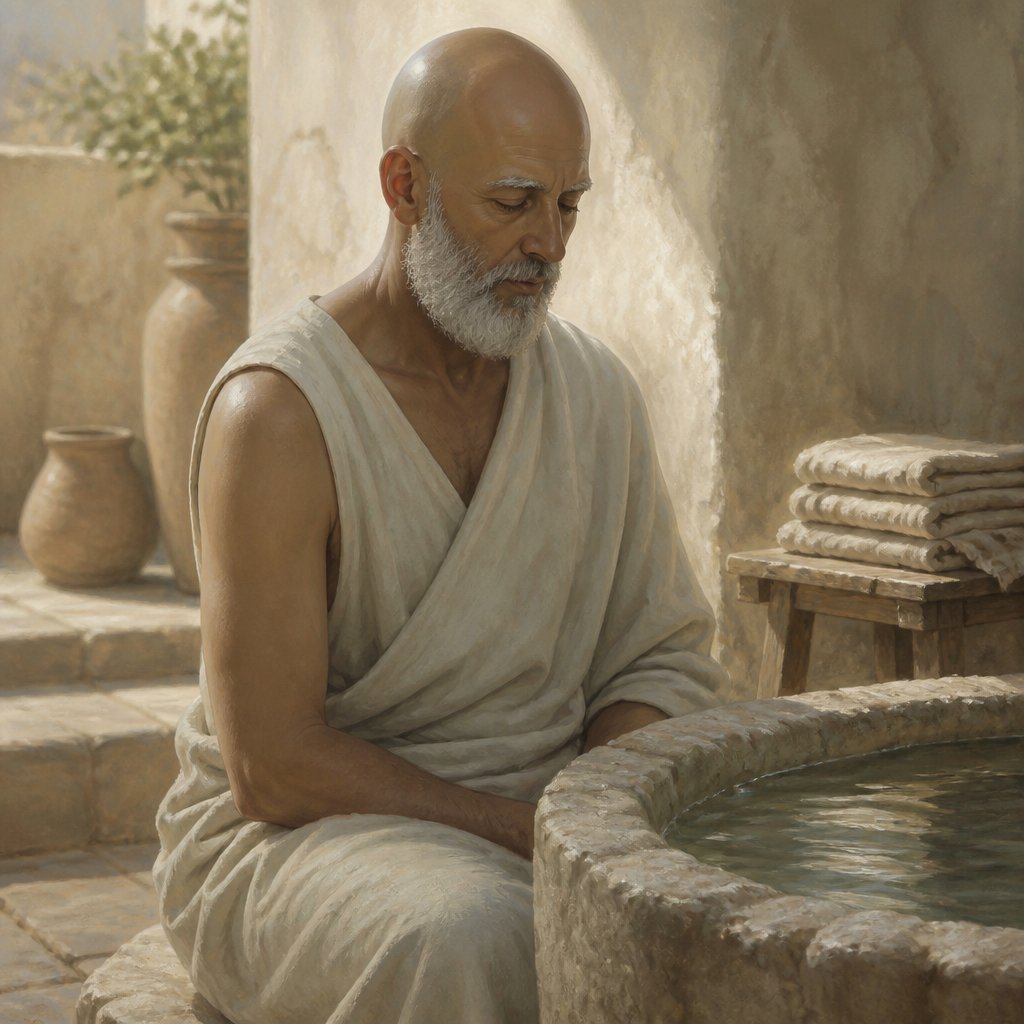
In Leviticus 14:9, we read a directive that may seem foreign to our modern sensibilities: "But it shall be on the seventh day, that he shall shave all his hair off his head and his beard and his eyebrows, even all his hair he shall shave off: and he shall wash his clothes, also he shall wash his flesh in water, and he shall be clean." This verse, although tucked away in the laws of ceremonial cleanliness, speaks volumes about the themes of purification, renewal, and the deep-seated nature of true spirituality.
The context of this command relates to the ceremonial cleansing of someone who has been afflicted by leprosy—an illness that not only affected one’s physical health but also carried significant social and spiritual implications. With each commandment issued regarding cleanliness, our understanding of God's desire for purity becomes clearer. The act of shaving off hair in this instance symbolizes a complete stripping away of the old self, a physical manifestation of the spiritual renewal that God calls His people to embrace.
In biblical times, hair was often seen as a symbol of vitality and strength, making its removal a sign of total surrender. As the individual shaves their hair down to nothing, they are effectively saying goodbye to the person they were—an acknowledgment of their past mistakes, their suffering, and the societal stigma attached to them because of their illness. Just as the hairs of the head fall away, so too do the burdens of guilt and shame that cling to an unclean heart.
Furthermore, the ritual emphasizes an important spiritual principle: God's call to holiness is often accompanied by a call to cleanliness. Washing clothes and bodies signifies a deeper truth about the need for purity in our lives. Just as a person cleanses themselves of visible dirt, we are challenged to examine our spiritual and emotional lives and rid ourselves of sin that may not always be visible. This shedding is not merely about external appearances; it reflects a heart that longs to be aligned with God's righteousness. Puity, then, becomes not just a ritual act, but a state of being that God desires from each of His children.
The seventh day in this context denotes completion and divine perfection. The very act of being cleansed is tied to the Sabbath, a day of rest and renewal, and by extension symbolizes a new life emerging after the work of transformation is done. As believers, we see parallels to Christ’s redemptive work on the cross. Just as a leper sought healing through obedience to God’s law, we too find our wholeness through the obedience of faith in Christ. He is the ultimate cleanser, the one who strips us of our sin—not only forgiving us but also removing the effects of our old identity. When we embrace this cleansing salvation, the result is a brand new creation in Christ.
Moreover, Leviticus 14:9 reflects the communal aspect of sin and restoration. When an individual is clean, they can re-enter the community. This is a profound reminder that we are not merely individualistic in our walk with God. Each act of personal cleansing and renewal impacts our relationship with those around us.
As we reflect on this passage, may we consider: What are the areas of our lives that need to be shed? How can we embrace the Lord's invitation to spiritual renewal? As we engage with God's Word, may we remember that part of our journey towards spiritual cleanliness involves recognizing our need for God’s grace, actively participating in our own renewal, and extending that grace to others.
Let the shave and wash of Leviticus 14:9 remind us that in Christ, we are forever cleansed, eternally refreshed, and continually called toward holiness. Amen.
Get our apps


Artwork for Leviticus 14:9
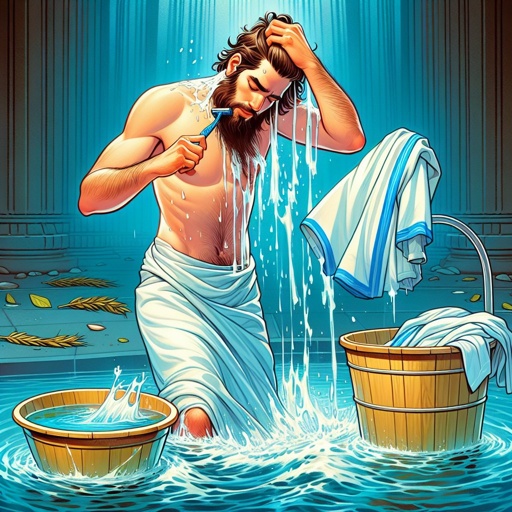
Leviticus 14:9 - "But it shall be on the seventh day, that he shall shave all his hair off his head and his beard and his eyebrows, even all his hair he shall shave off: and he shall wash his clothes, also he shall wash his flesh in water, and he shall be clean."
"But it shall be on the seventh day, that he shall shave all his hair off his head and his beard and his eyebrows, even all his hair he shall shave off: and he shall wash his clothes, also he shall wash his flesh in water, and he shall be clean." - Leviticus 14:9

Leviticus 9:14 - "And he did wash the inwards and the legs, and burnt them upon the burnt offering on the altar."
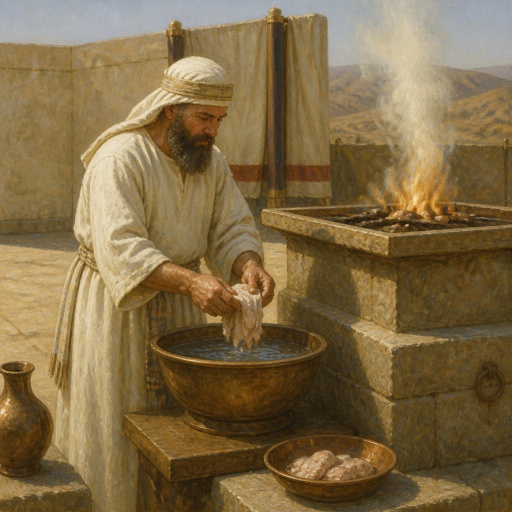
"And he did wash the inwards and the legs, and burnt them upon the burnt offering on the altar." - Leviticus 9:14

Leviticus 14:51

Leviticus 14:55 - "And for the leprosy of a garment, and of a house,"

Leviticus 14:56 - "And for a rising, and for a scab, and for a bright spot:"

Leviticus 14:1 - "And the LORD spake unto Moses, saying,"

Leviticus 11:14 - "And the vulture, and the kite after his kind;"
Leviticus 5:14 - "¶ And the LORD spake unto Moses, saying,"

Leviticus 14:54 - "This is the law for all manner of plague of leprosy, and scall,"

Leviticus 26:14 - "¶ But if ye will not hearken unto me, and will not do all these commandments;"

Leviticus 14:33 - "¶ And the LORD spake unto Moses and unto Aaron, saying,"
Leviticus 23:9 - "¶ And the LORD spake unto Moses, saying,"

Leviticus 14:57 - "To teach when it is unclean, and when it is clean: this is the law of leprosy."

"And for the leprosy of a garment, and of a house," - Leviticus 14:55

Leviticus 9:16 - "And he brought the burnt offering, and offered it according to the manner."

Leviticus 13:14 - "But when raw flesh appeareth in him, he shall be unclean."

Leviticus 14:26 - "And the priest shall pour of the oil into the palm of his own left hand:"

Leviticus 9:11 - "And the flesh and the hide he burnt with fire without the camp."

Leviticus 14:30 - "And he shall offer the one of the turtledoves, or of the young pigeons, such as he can get;"

"And for a rising, and for a scab, and for a bright spot:" - Leviticus 14:56

Leviticus 14:50 - "And he shall kill the one of the birds in an earthen vessel over running water:"

Leviticus 13:9 - "¶ When the plague of leprosy is in a man, then he shall be brought unto the priest;"

Leviticus 9:20 - "And they put the fat upon the breasts, and he burnt the fat upon the altar:"

Leviticus 9:9 - "And the sons of Aaron brought the blood unto him: and he dipped his finger in the blood, and put it upon the horns of the altar, and poured out the blood at the bottom of the altar:"

Leviticus 14:5 - "And the priest shall command that one of the birds be killed in an earthen vessel over running water:"

Leviticus 14:2 - "This shall be the law of the leper in the day of his cleansing: He shall be brought unto the priest:"

Leviticus 14:49 - "And he shall take to cleanse the house two birds, and cedar wood, and scarlet, and hyssop:"

Leviticus 6:14 - "¶ And this is the law of the meat offering: the sons of Aaron shall offer it before the LORD, before the altar."