The Scapegoat: A Symbol of Ultimate Atonement
“But the goat, on which the lot fell to be the scapegoat, shall be presented alive before the LORD, to make an atonement with him, and to let him go for a scapegoat into the wilderness.” — Leviticus 16:10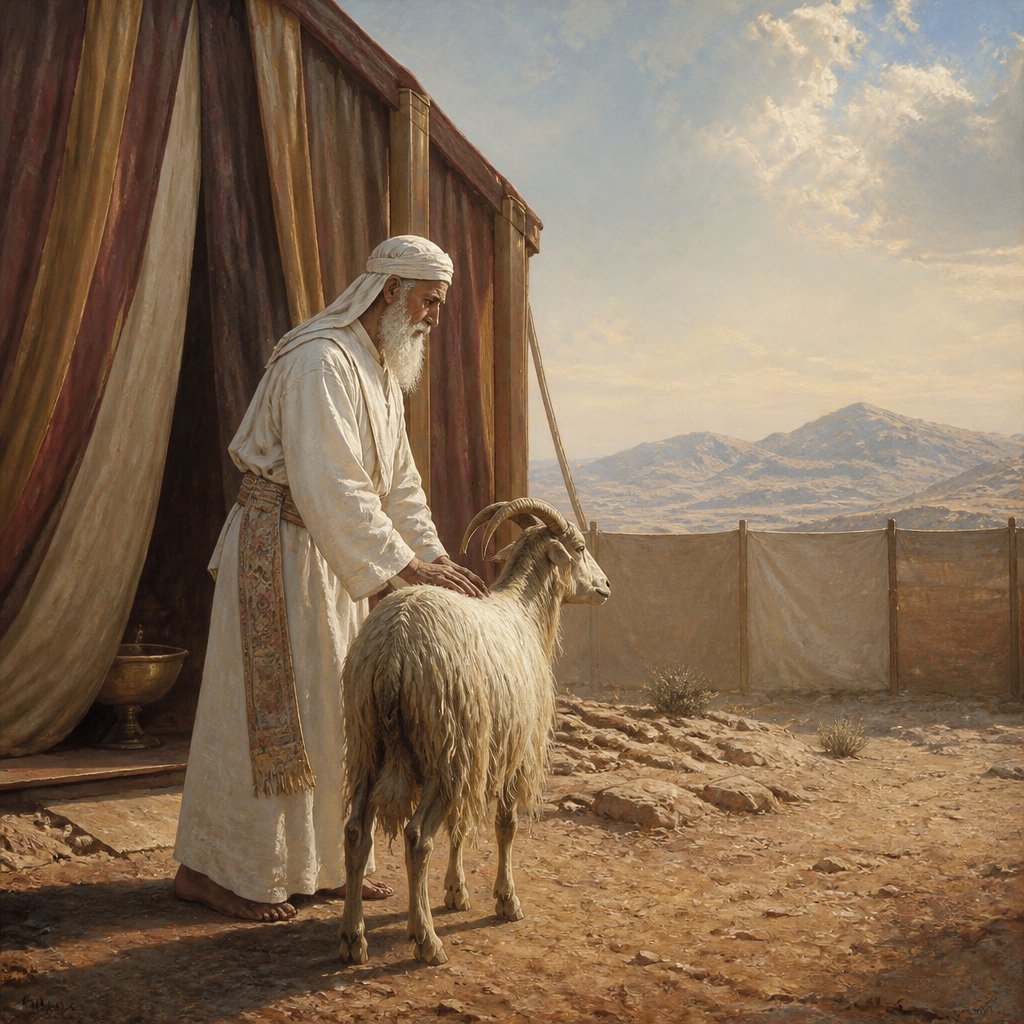
In Leviticus 16:10, we encounter a profound depiction of sacrifice and atonement: "But the goat, on which the lot fell to be the scapegoat, shall be presented alive before the LORD, to make an atonement with him, and to let him go for a scapegoat into the wilderness." This ancient practice, rooted in the Day of Atonement (Yom Kippur), reveals deep spiritual truths regarding sin, redemption, and the profound love of God for His people.
At the heart of this ceremony was the concept of substitution—a goat selected by casting lots that would bear the sins of the Israelites, symbolically taking them away into the wilderness. The practice vividly illustrates the gravity of sin and the divine requirement for atonement. The Israelites would, through the laying on of hands, transfer their sins onto the scapegoat, which would then be led away, never to return. In this act, the people were not merely acknowledging their transgressions; they were engaging in a profound act of faith, trusting that God would remove their iniquities far from them.
The role of the scapegoat immerses us in historical and theological significance. In the context of the Old Testament sacrificial system, it pointed forward to the once-and-for-all sacrifice of Christ. Just as the scapegoat bore the weight of sins and carried them into the wilderness, Jesus carried our sins to the Cross, declaring, "It is finished" (John 19:30). He became our ultimate scapegoat, taking upon Himself the sins of the world, thus extending the offer of salvation and reconciliation with God for all who believe. This connection between the Old Testament practice and Christ's sacrificial work is a thread that weaves through the tapestry of Scripture, culminating in the New Testament revelation of grace.
Additionally, the concept of the wilderness is significant. The wilderness represents a place of isolation, barrenness, and separation from community—a fitting metaphor for the sin we carry. This imagery challenges us to reflect on our own lives: what burdens are we carrying that we need to acknowledge and release? Just as the Israelites had the opportunity to transfer their sins onto the scapegoat, we are invited to bring our struggles, guilt, and shame to Jesus, who desires to take them all away. The wilderness serves as a reminder that God does not merely cover our sins; He casts them away, removing them as far as the east is from the west (Psalm 103:12).
Moreover, the scapegoat ritual speaks to the powerful nature of atonement—making amends, reconciling differences. It showcases God's holiness while simultaneously highlighting His mercy. In a world where we often experience the weight of guilt, shame, and the consequences of our failures, this verse points us to the hope found in Christ. It proclaims that through Him, we can attain peace, acceptance, and the assurance of our standing before God.
As we meditate on Leviticus 16:10, let us reflect on the blessings of the scapegoat symbolism in our lives today. Are there areas where we need to relinquish our burdens and seek God’s forgiveness and restoration? Are there moments where we hold onto past sins that Christ has already paid for? Herein lies the beauty of the Gospel: we do not have to carry our sins alone. God desires to lift them from our shoulders and cast them away.
Let us approach the throne of grace, confident that our scapegoat, Jesus Christ, has made a way for us to be cleansed and free. May our hearts overflow with gratitude for the depth of God's love and the incredible gift of atonement—a love that remains constant even in our wandering.
In conclusion, let this verse and its implications challenge and inspire us to strip away the weight of sin, embrace the liberty found in Christ, and walk confidently in the purpose and identity He has for us. The scapegoat reminds us of our incredible need for salvation and the immeasurable grace that has been lavishly poured out upon us.
Get our apps


Artwork for Leviticus 16:10

Leviticus 16:10 - "But the goat, on which the lot fell to be the scapegoat, shall be presented alive before the LORD, to make an atonement with him, and to let him go for a scapegoat into the wilderness."
"But the goat, on which the lot fell to be the scapegoat, shall be presented alive before the LORD, to make an atonement with him, and to let him go for a scapegoat into the wilderness." - Leviticus 16:10

leviticus 16:7-10

Leviticus 10:16 - "¶ And Moses diligently sought the goat of the sin offering, and, behold, it was burnt: and he was angry with Eleazar and Ithamar, the sons of Aaron which were left alive, saying,"

Leviticus 16:8

Leviticus 21:16 - "¶ And the LORD spake unto Moses, saying,"

Leviticus 10:10 - "And that ye may put difference between holy and unholy, and between unclean and clean;"

Leviticus 9:16 - "And he brought the burnt offering, and offered it according to the manner."

Leviticus 10:20 - "And when Moses heard that, he was content."
Leviticus 10:8 - "¶ And the LORD spake unto Aaron, saying,"

Leviticus 4:16 - "And the priest that is anointed shall bring of the bullock's blood to the tabernacle of the congregation:"

Leviticus 11:16 - "And the owl, and the night hawk, and the cuckow, and the hawk after his kind,"

Leviticus 16:25 - "And the fat of the sin offering shall he burn upon the altar."

Leviticus 18:16 - "Thou shalt not uncover the nakedness of thy brother's wife: it is thy brother's nakedness."
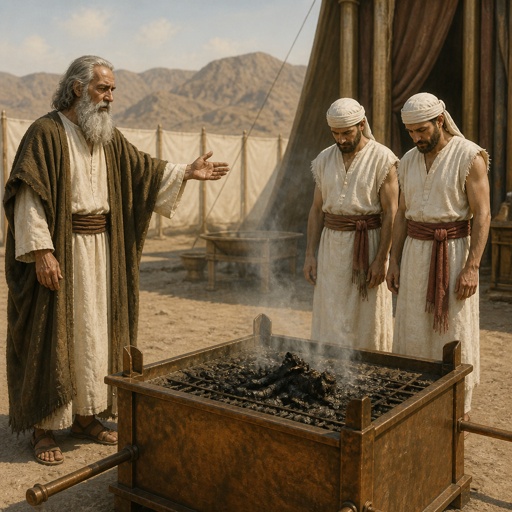
"¶ And Moses diligently sought the goat of the sin offering, and, behold, it was burnt: and he was angry with Eleazar and Ithamar, the sons of Aaron which were left alive, saying," - Leviticus 10:16

Leviticus 16:31 - "It shall be a sabbath of rest unto you, and ye shall afflict your souls, by a statute for ever."

Leviticus 13:16 - "Or if the raw flesh turn again, and be changed unto white, he shall come unto the priest;"

Leviticus 17:16 - "But if he wash them not, nor bathe his flesh; then he shall bear his iniquity."

Leviticus 16:7 - "And he shall take the two goats, and present them before the LORD at the door of the tabernacle of the congregation."
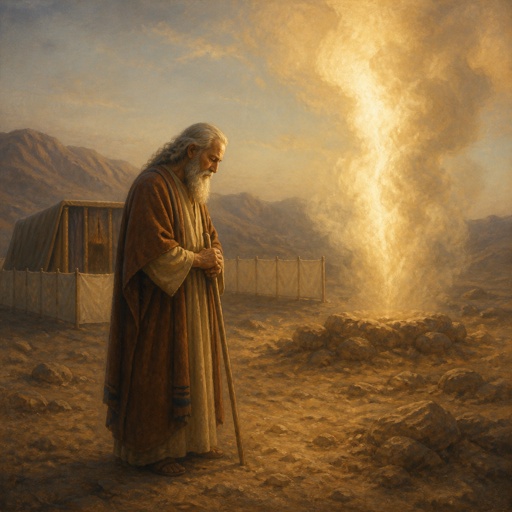
"¶ And the LORD spake unto Moses, saying," - Leviticus 21:16

Leviticus 10:2 - "And there went out fire from the LORD, and devoured them, and they died before the LORD."

Leviticus 16:9 - "And Aaron shall bring the goat upon which the LORD'S lot fell, and offer him for a sin offering."

Leviticus 16:3 - "Thus shall Aaron come into the holy place: with a young bullock for a sin offering, and a ram for a burnt offering."

Leviticus 16:8 - "And Aaron shall cast lots upon the two goats; one lot for the LORD, and the other lot for the scapegoat."

Leviticus 26:10 - "And ye shall eat old store, and bring forth the old because of the new."

Leviticus 8:10 - "And Moses took the anointing oil, and anointed the tabernacle and all that was therein, and sanctified them."

Leviticus 10:5 - "So they went near, and carried them in their coats out of the camp; as Moses had said."

Leviticus 16:16 - "And he shall make an atonement for the holy place, because of the uncleanness of the children of Israel, and because of their transgressions in all their sins: and so shall he do for the tabernacle of the congregation, that remaineth among them in the midst of their uncleanness."

Leviticus 22:16 - "Or suffer them to bear the iniquity of trespass, when they eat their holy things: for I the LORD do sanctify them."

Leviticus 16:6 - "And Aaron shall offer his bullock of the sin offering, which is for himself, and make an atonement for himself, and for his house."