The Sacred Encounter: Incense, Atonement, and the Presence of God
“And he shall put the incense upon the fire before the LORD, that the cloud of the incense may cover the mercy seat that is upon the testimony, that he die not:” — Leviticus 16:13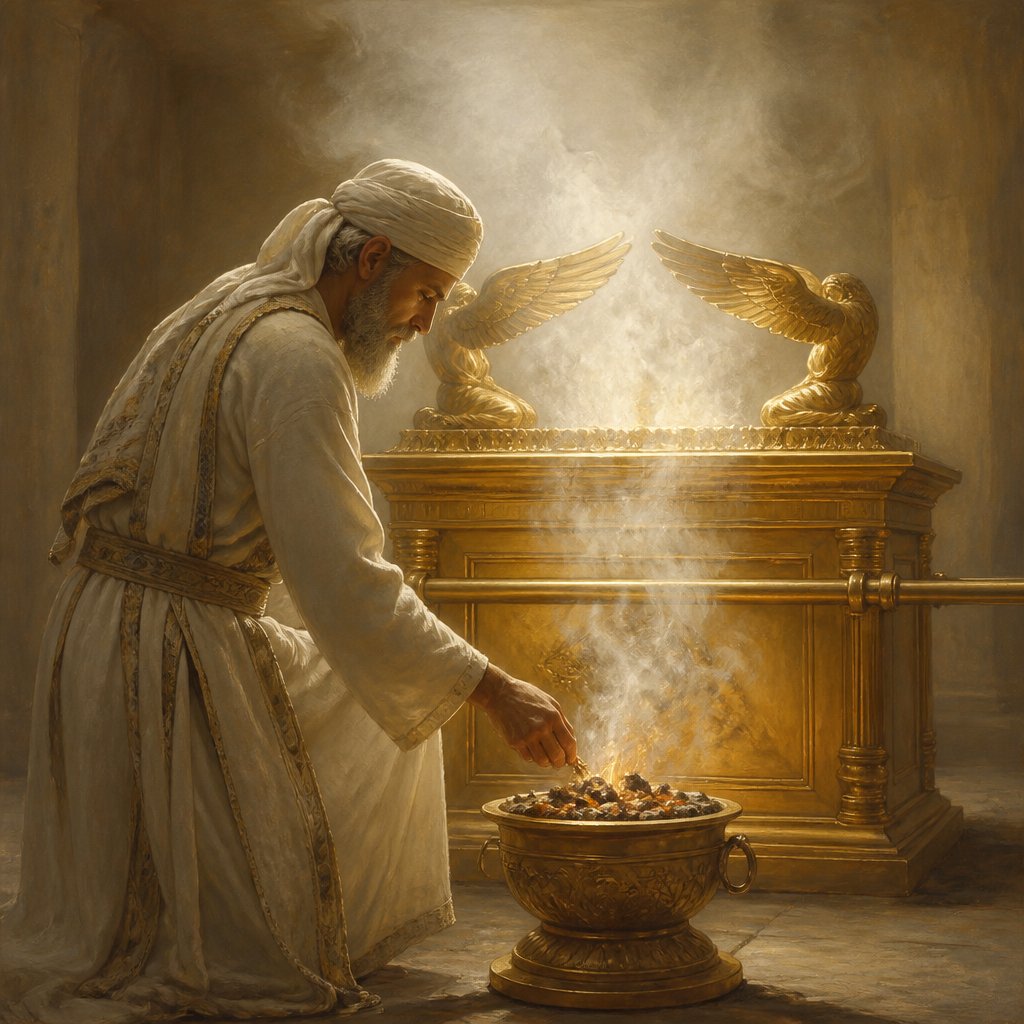
Leviticus 16:13 states, "And he shall put the incense upon the fire before the LORD, that the cloud of the incense may cover the mercy seat that is upon the testimony, that he die not." This verse fits within the heart of one of the most sacred rituals in Israel's history: the Day of Atonement, or Yom Kippur. It unveils profound truths about God's holiness, human frailty, and the intercessory role of Jesus Christ.
To fully grasp the significance of this verse, we must understand the context. The Day of Atonement was the annual occasion when the high priest entered the Most Holy Place, the innermost sanctuary of the Tabernacle, which was a reflection of God’s presence on Earth. The mercy seat, a solid gold cover atop the Ark of the Covenant, represented God’s throne and the place where He would meet with His people. This act was preceded by the careful preparation of the high priest, who had to cleanse himself and offer sacrifices for his own sins before he could approach the presence of a holy God.
The command to burn incense before the mercy seat was critical for two primary reasons. First, incense, as a symbol of prayer and worship, acts as a sweet aroma that ascends to God, representing the prayers of the people. In Psalm 141:2, King David prays, "Let my prayer be set forth before thee as incense, and the lifting up of my hands as the evening sacrifice." The cloud of incense obscured the high priest’s view of the mercy seat, creating a barrier that protected him from the direct gaze of God’s holiness. This was crucial; the sinfulness of humanity could not endure the purity of His presence without a mediator.
Secondly, the instruction that "he die not" highlights the severity of God’s holiness and the seriousness of approaching Him. This was not merely a ritualistic formality but a matter of life and death. The high priest bore the weight of an entire nation’s sins, and entering the holy presence of God without the appropriate offerings and intercession would result in immediate judgment. We catch a glimpse here of how our own approach to God must be undergirded by humility and reverence, recognizing our unworthiness.
This Old Testament practice foreshadows the ultimate sacrifice of Jesus Christ, our great High Priest, who intercedes for us before the Father. Hebrews 9:11-12 explains, "But Christ being come an high priest of good things to come, by a greater and more perfect tabernacle, not made with hands, that is to say, not of this building; Neither by the blood of goats and calves, but by his own blood he entered in once into the holy place, having obtained eternal redemption for us." The incense that filled the Most Holy Place has found its fulfillment in Christ, who covers our sins and allows us to approach the throne of grace directly.
As we reflect on Leviticus 16:13, we must examine our own lives and our approach to God. Are we coming before Him with a heart filled with prayer, seeking His face through the veil that has been torn by Christ's sacrifice? The incense reminds us that our prayers are precious to God and that they carry power when offered in faith.
Moreover, let us not forget the importance of confession and humility as we stand before the Almighty. Just as the high priest had to purify himself, so too are we called to approach God with a contrite heart, recognizing our need for His grace and mercy. Every time we pray, let us remember the costly sacrifice that allows us to draw near without fear, clothed in righteousness by our Savior.
In our daily lives, let’s cultivate an attitude of worship that is symbolically rich, imitating the incense that rises to the heavens. As we pray, may our requests be enveloped in the fervency of our hearts, filled with the knowledge that our God longs to hear from us. Let us draw near with boldness, not in our own merit but in the grace humbly granted to us through the precious blood of Christ, the Lamb who was slain.
Get our apps


Artwork for Leviticus 16:13

Leviticus 16:13 - "And he shall put the incense upon the fire before the LORD, that the cloud of the incense may cover the mercy seat that is upon the testimony, that he die not:"
"And he shall put the incense upon the fire before the LORD, that the cloud of the incense may cover the mercy seat that is upon the testimony, that he die not:" - Leviticus 16:13

Leviticus 13:16 - "Or if the raw flesh turn again, and be changed unto white, he shall come unto the priest;"
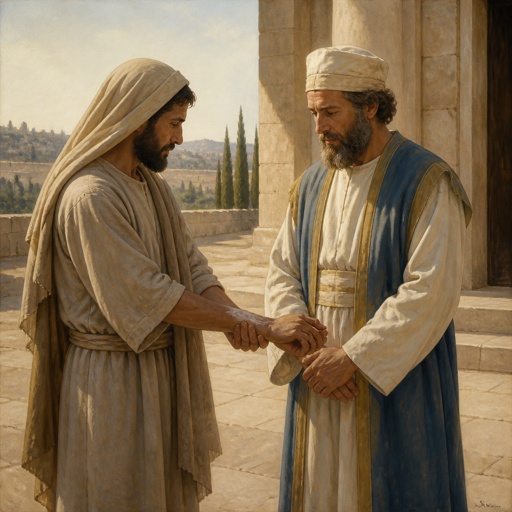
"Or if the raw flesh turn again, and be changed unto white, he shall come unto the priest;" - Leviticus 13:16

Leviticus 16:8

leviticus 16:7-10

Leviticus 21:16 - "¶ And the LORD spake unto Moses, saying,"

Leviticus 24:13 - "And the LORD spake unto Moses, saying,"

Leviticus 9:16 - "And he brought the burnt offering, and offered it according to the manner."

Leviticus 21:13 - "And he shall take a wife in her virginity."

Leviticus 13:1 - "And the LORD spake unto Moses and Aaron, saying,"

Leviticus 4:16 - "And the priest that is anointed shall bring of the bullock's blood to the tabernacle of the congregation:"

Leviticus 11:16 - "And the owl, and the night hawk, and the cuckow, and the hawk after his kind,"

Leviticus 16:25 - "And the fat of the sin offering shall he burn upon the altar."

Leviticus 13:35 - "But if the scall spread much in the skin after his cleansing;"

Leviticus 13:29 - "¶ If a man or woman have a plague upon the head or the beard;"

Leviticus 13:18 - "¶ The flesh also, in which, even in the skin thereof, was a boil, and is healed,"

Leviticus 18:16 - "Thou shalt not uncover the nakedness of thy brother's wife: it is thy brother's nakedness."

Leviticus 13:14 - "But when raw flesh appeareth in him, he shall be unclean."

Leviticus 13:47 - "¶ The garment also that the plague of leprosy is in, whether it be a woollen garment, or a linen garment;"

Leviticus 13:9 - "¶ When the plague of leprosy is in a man, then he shall be brought unto the priest;"

Leviticus 13:22 - "And if it spread much abroad in the skin, then the priest shall pronounce him unclean: it is a plague."

Leviticus 25:13 - "In the year of this jubile ye shall return every man unto his possession."

Leviticus 6:13 - "The fire shall ever be burning upon the altar; it shall never go out."

Leviticus 16:31 - "It shall be a sabbath of rest unto you, and ye shall afflict your souls, by a statute for ever."

Leviticus 17:16 - "But if he wash them not, nor bathe his flesh; then he shall bear his iniquity."

Leviticus 16:7 - "And he shall take the two goats, and present them before the LORD at the door of the tabernacle of the congregation."
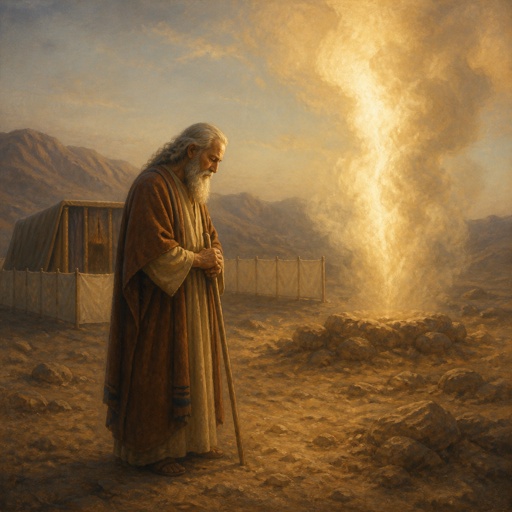
"¶ And the LORD spake unto Moses, saying," - Leviticus 21:16

Leviticus 13:19 - "And in the place of the boil there be a white rising, or a bright spot, white, and somewhat reddish, and it be shewed to the priest;"

Leviticus 13:48 - "Whether it be in the warp, or woof; of linen, or of woollen; whether in a skin, or in any thing made of skin;"