Approaching the Holy: A Reflection on Reverence and Relationship
"And the LORD said unto Moses, Speak unto Aaron thy brother, that he come not at all times into the holy place within the vail before the mercy seat, which is upon the ark; that he die not: for I will appear in the cloud upon the mercy seat." - Leviticus 16:2
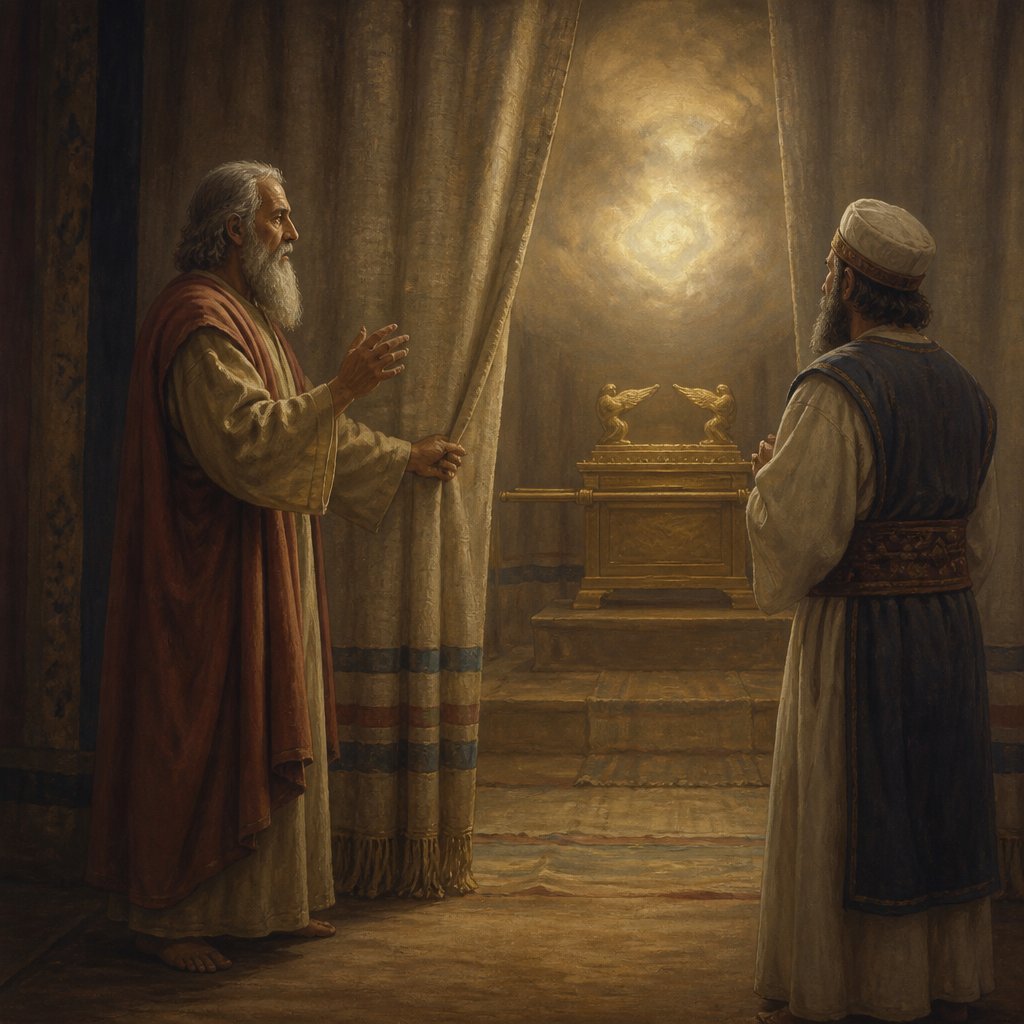
The holiness of God is a central theme that runs through the entire narrative of the Bible, and Leviticus 16:2 is a profound declaration of the seriousness with which God’s presence should be approached. The verse states: "And the LORD said unto Moses, Speak unto Aaron thy brother, that he come not at all times into the holy place within the vail before the mercy seat, which is upon the ark; that he die not: for I will appear in the cloud upon the mercy seat" (KJV). This command holds deep implications, not only for Aaron and the Israelites of that time but also for us today as we grapple with the nature of divine holiness and our approach to God.
When we consider the context, Leviticus 16 describes the Day of Atonement (Yom Kippur), a pivotal event in the Jewish calendar when Aaron, the high priest, would enter the Holy of Holies to make atonement for the sins of the people. The restrictions placed upon Aaron regarding his access to the holy place communicate not merely a set of rules but a divine principle concerning the sacredness of God’s presence. God's instruction underscores the necessity for reverence; approaching the Almighty Creator as one might approach an ordinary person simply will not do. The vail served as a physical and symbolic barrier; it separated the holy presence of God from humanity, emphasizing that sin renders us unworthy to dwell in the direct presence of holiness.
The gravity of God’s command — that Aaron should not enter at all times — is backed by the solemn warning, "that he die not." This phrase should reverberate in our hearts, reminding us of the seriousness of sin and the great chasm that exists between a holy God and sinful man. It is not that God enjoys keeping people at a distance; rather, this distance highlights His holiness and our need for purification. This theme invites us to consider our approaches to God in our own lives. Are we flippant or casual in our dealings with the Almighty? Do we approach Him with a heart full of reverence, recognizing His greatness? Or do we treat sacred moments as ordinary?
Additionally, the phrase that God will appear "in the cloud upon the mercy seat" is profoundly significant. The cloud represents God’s glorious presence, filled with majesty and mystery. The mercy seat, situated atop the Ark of the Covenant, serves as the place of atonement, where the blood of the sacrifice was sprinkled to cover the sins of the people. Although God’s holiness demands reverence and fear, His mercy allows us to draw near. Therein lies the beauty of the gospel: where the seriousness of sin meets the profound grace of God. While we must not treat God’s holiness lightly, we must also recognize the invitation to come near through the sacrifice of Jesus Christ, the ultimate High Priest, who allowed us direct access to the Father.
As we meditate on Leviticus 16:2, we are compelled to reflect on our own lives. Are we living in a way that acknowledges the holiness of God? Do we reserve daily moments to approach Him with awe and gratitude, keeping a pure heart and sincere spirit? The practice of worship and prayer should not only consist of requests and thanksgivings; it should be marked by a recognition of God's greatness.
In closing, as we take our everyday steps closer to God, let us remember the solemnity and sanctity that surrounds His presence. May we be as focused as Aaron was on listening to God’s commands, striving to understand the great mystery of holiness blended with mercy. May we cherish the access we have and engage deeply in our worship, driven by both reverence and love — appropriately remembering that while we have access, we approach a God who is both holy and merciful.
Want to reflect more on Leviticus 16:2?
Continue your spiritual journey with Bible Chat — an AI-powered tool for exploring God's Word through conversation. Ask questions, discover connections, and deepen your understanding.
Get Our Apps


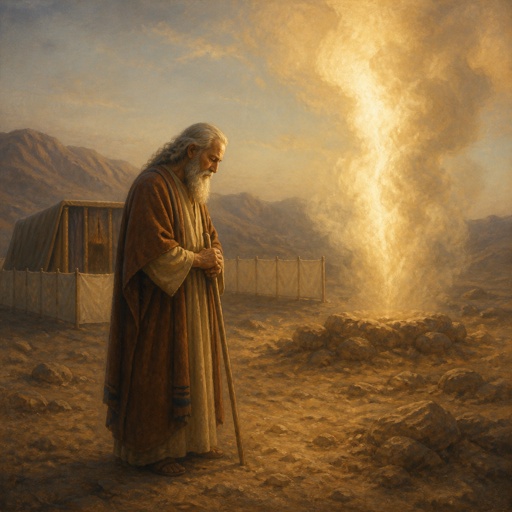
Leviticus 16:2 Artwork
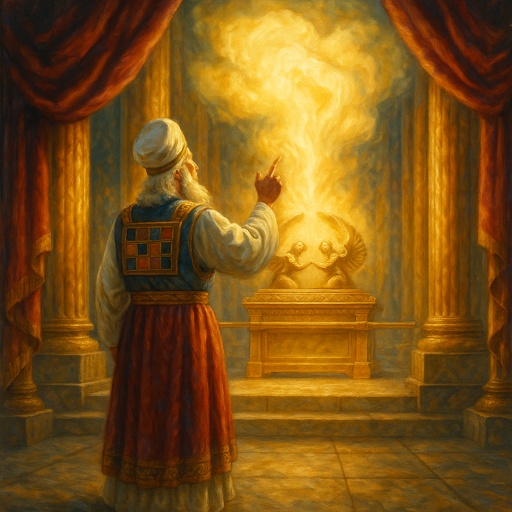
"And the LORD said unto Moses, Speak unto Aaron thy brother, that he come not at all times into the holy place within the vail before the mercy seat, which is upon the ark; that he die not: for I will appear in the cloud upon the mercy seat." - Leviticus 16:2
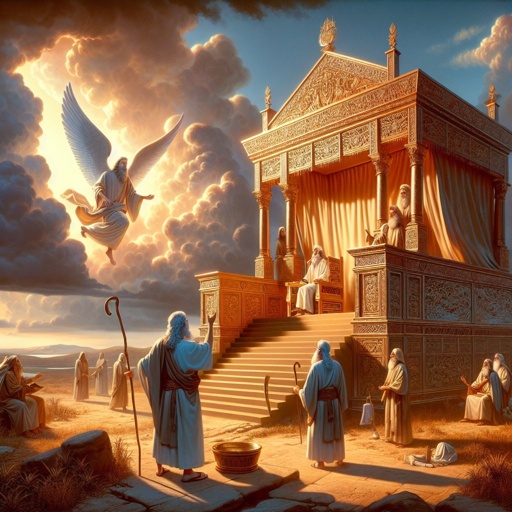
Leviticus 16:2 - "And the LORD said unto Moses, Speak unto Aaron thy brother, that he come not at all times into the holy place within the vail before the mercy seat, which is upon the ark; that he die not: for I will appear in the cloud upon the mercy seat."
"And the LORD said unto Moses, Speak unto Aaron thy brother, that he come not at all times into the holy place within the vail before the mercy seat, which is upon the ark; that he die not: for I will appear in the cloud upon the mercy seat." - Leviticus 16:2

Leviticus 2:16 - "And the priest shall burn the memorial of it, part of the beaten corn thereof, and part of the oil thereof, with all the frankincense thereof: it is an offering made by fire unto the LORD."

Leviticus 16:8

leviticus 16:7-10

Leviticus 21:16 - "¶ And the LORD spake unto Moses, saying,"

Leviticus 9:16 - "And he brought the burnt offering, and offered it according to the manner."

Leviticus 4:16 - "And the priest that is anointed shall bring of the bullock's blood to the tabernacle of the congregation:"

Leviticus 11:16 - "And the owl, and the night hawk, and the cuckow, and the hawk after his kind,"

Leviticus 16:25 - "And the fat of the sin offering shall he burn upon the altar."

Leviticus 18:16 - "Thou shalt not uncover the nakedness of thy brother's wife: it is thy brother's nakedness."

Leviticus 17:16 - "But if he wash them not, nor bathe his flesh; then he shall bear his iniquity."

Leviticus 16:7 - "And he shall take the two goats, and present them before the LORD at the door of the tabernacle of the congregation."

Leviticus 16:31 - "It shall be a sabbath of rest unto you, and ye shall afflict your souls, by a statute for ever."

Leviticus 13:16 - "Or if the raw flesh turn again, and be changed unto white, he shall come unto the priest;"
"¶ And the LORD spake unto Moses, saying," - Leviticus 21:16

Leviticus 16:8 - "And Aaron shall cast lots upon the two goats; one lot for the LORD, and the other lot for the scapegoat."

Leviticus 16:9 - "And Aaron shall bring the goat upon which the LORD'S lot fell, and offer him for a sin offering."

Leviticus 16:3 - "Thus shall Aaron come into the holy place: with a young bullock for a sin offering, and a ram for a burnt offering."

Leviticus 16:16 - "And he shall make an atonement for the holy place, because of the uncleanness of the children of Israel, and because of their transgressions in all their sins: and so shall he do for the tabernacle of the congregation, that remaineth among them in the midst of their uncleanness."

Leviticus 16:1 - "And the LORD spake unto Moses after the death of the two sons of Aaron, when they offered before the LORD, and died;"

Leviticus 22:16 - "Or suffer them to bear the iniquity of trespass, when they eat their holy things: for I the LORD do sanctify them."

Leviticus 16:6 - "And Aaron shall offer his bullock of the sin offering, which is for himself, and make an atonement for himself, and for his house."

Leviticus 3:16 - "And the priest shall burn them upon the altar: it is the food of the offering made by fire for a sweet savour: all the fat is the LORD'S."

Leviticus 16:5 - "And he shall take of the congregation of the children of Israel two kids of the goats for a sin offering, and one ram for a burnt offering."

Leviticus 16:19 - "And he shall sprinkle of the blood upon it with his finger seven times, and cleanse it, and hallow it from the uncleanness of the children of Israel."

Leviticus 1:16 - "And he shall pluck away his crop with his feathers, and cast it beside the altar on the east part, by the place of the ashes:"

Leviticus 16:22 - "And the goat shall bear upon him all their iniquities unto a land not inhabited: and he shall let go the goat in the wilderness."

Leviticus 16:28 - "And he that burneth them shall wash his clothes, and bathe his flesh in water, and afterward he shall come into the camp."