The Scapegoat: A Symbol of Our Redemption
“And the goat shall bear upon him all their iniquities unto a land not inhabited: and he shall let go the goat in the wilderness.” — Leviticus 16:22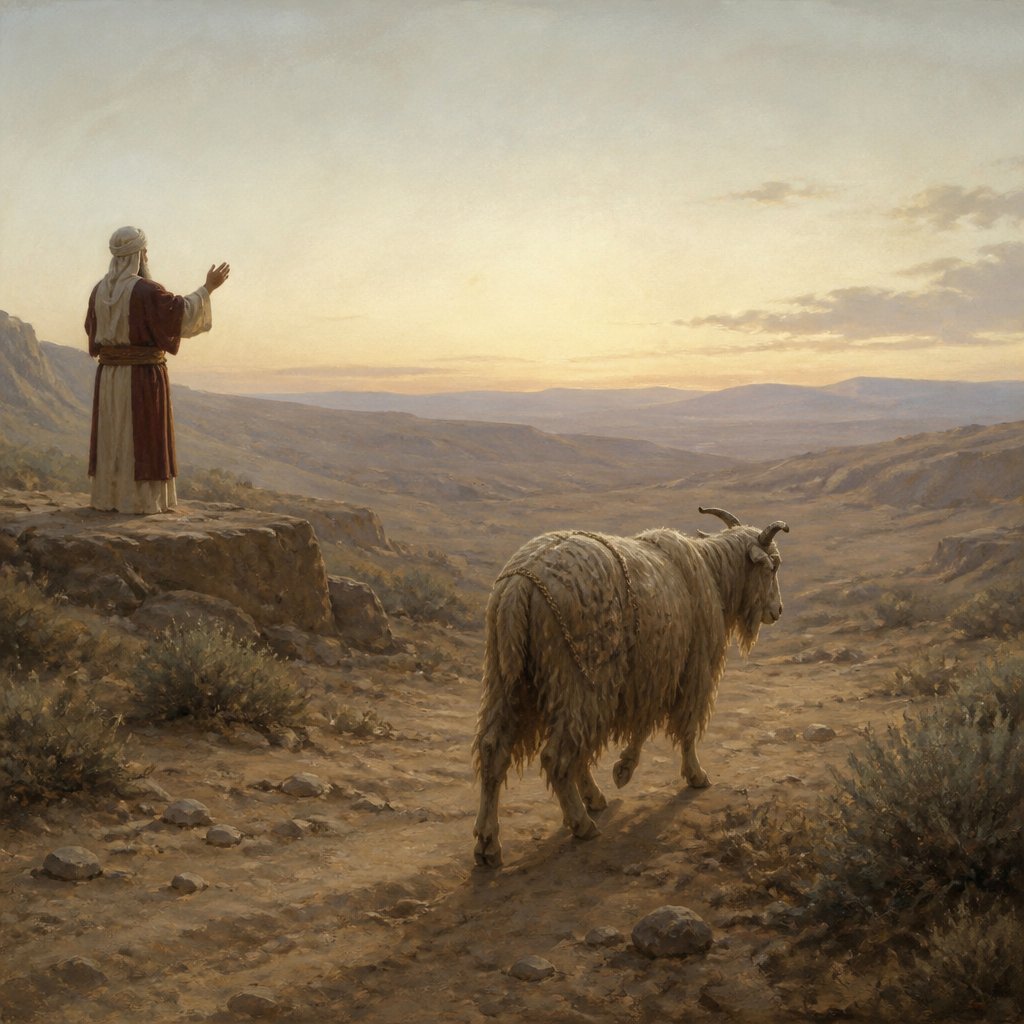
In Leviticus 16:22, we read, "And the goat shall bear upon him all their iniquities unto a land not inhabited: and he shall let go the goat in the wilderness." This verse encapsulates a profound spiritual truth that resonates deeply with our understanding of sin, guilt, and redemption. The imagery of the scapegoat is woven intricately into the fabric of the sacrificial system God established for His people and reflects the loving provision of redemption that finds its ultimate fulfillment in Jesus Christ.
The context of this verse is essential. On the Day of Atonement, also known as Yom Kippur, two goats were brought before the high priest. One goat was sacrificed as a sin offering, symbolizing atonement for the sins of the people. The other goat, known as the scapegoat, was designated to carry the sins of the people away into the wilderness. This act represented a visual and tangible means by which the community could comprehend the weight of their sin and God’s provision for their cleansing.
As we ponder the symbolism of the scapegoat, we must first recognize that sin is a heavy burden. In our natural state, we are all laden with iniquity. Romans 3:23 tells us, "For all have sinned, and come short of the glory of God." The essence of sin is separation—from God, from His holiness, and from our true purpose. Before God, we stand guilty, deserving of judgment and punishment. The scapegoat embodies the reality of this guilt; it takes upon itself the sins of the people and bears them far away, into a desolate land—a striking picture of what God has done for us.
In the New Testament, the connection between the scapegoat and Jesus is unmistakable. John the Baptist, upon seeing Jesus, exclaimed, "Behold the Lamb of God, which taketh away the sin of the world" (John 1:29). Just as the scapegoat was released into the wilderness, Jesus bore our iniquities to the cross and took them to the grave. Isaiah 53:6 vividly describes this: "All we like sheep have gone astray; we have turned every one to his own way; and the Lord hath laid on him the iniquity of us all." Through Christ, our sins are not merely set aside; they are dealt with. They are taken away—separated from us as far as the east is from the west (Psalm 103:12).
Moreover, the wilderness represents the desolation of a life apart from God. When we think of what it means to be separated from Him, we understand the stark revelation of despair, isolation, and hopelessness. Yet, Jesus endured that separation for us. Not only did He carry our sin, but He also experienced the full weight of that estrangement on the cross when He cried out, "My God, my God, why hast thou forsaken me?" (Matthew 27:46). His sacrifice in our place is the ultimate expression of love and grace.
As we reflect on Leviticus 16:22, we should cultivate a deeper appreciation for the magnitude of what Jesus accomplished. Our ongoing journey of faith must be rooted in gratitude for the divine exchange that occurred. We can approach the throne of grace with boldness because our iniquities have been borne away by our Savior. Each day offers an opportunity to live in the freedom from guilt and shame that His sacrifice affords us.
Let us therefore cast our burdens upon Him, knowing that He is faithful to cleanse and redeem us. The God who established the system of atonement in Leviticus ultimately fulfills it in Christ. And as we walk in newness of life, may we keep in mind that our scapegoat has taken our sins away into an uninhabited land, allowing us to experience the fullness of His grace and mercy.
Get our apps


Artwork for Leviticus 16:22

Leviticus 16:22 - "And the goat shall bear upon him all their iniquities unto a land not inhabited: and he shall let go the goat in the wilderness."
"And the goat shall bear upon him all their iniquities unto a land not inhabited: and he shall let go the goat in the wilderness." - Leviticus 16:22

Leviticus 22:16 - "Or suffer them to bear the iniquity of trespass, when they eat their holy things: for I the LORD do sanctify them."
Leviticus 11:22
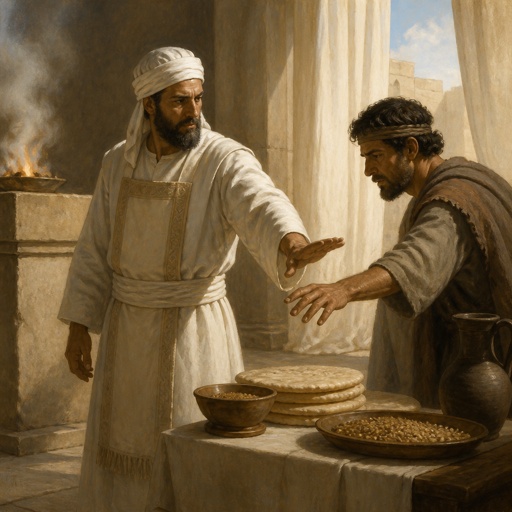
"Or suffer them to bear the iniquity of trespass, when they eat their holy things: for I the LORD do sanctify them." - Leviticus 22:16

Leviticus 16:8

Leviticus 23:15-22

Leviticus 23:17-22

Leviticus 22:17 - "¶ And the LORD spake unto Moses, saying,"

Leviticus 7:22 - "¶ And the LORD spake unto Moses, saying,"

Leviticus 22:1 - "And the LORD spake unto Moses, saying,"

Leviticus 22:26 - "¶ And the LORD spake unto Moses, saying,"

leviticus 16:7-10

Leviticus 18:22 - "Thou shalt not lie with mankind, as with womankind: it is abomination."

Leviticus 21:16 - "¶ And the LORD spake unto Moses, saying,"

Leviticus 20:22-26 simple picture

Picture to summarize Leviticus 20:22-26

Leviticus 22:20 - "But whatsoever hath a blemish, that shall ye not offer: for it shall not be acceptable for you."

Leviticus 9:16 - "And he brought the burnt offering, and offered it according to the manner."

Leviticus 13:22 - "And if it spread much abroad in the skin, then the priest shall pronounce him unclean: it is a plague."

Leviticus 21:22 - "He shall eat the bread of his God, both of the most holy, and of the holy."

Leviticus 22:33 - "That brought you out of the land of Egypt, to be your God: I am the LORD."

Leviticus 22:29 - "And when ye will offer a sacrifice of thanksgiving unto the LORD, offer it at your own will."

Leviticus 22:15 - "And they shall not profane the holy things of the children of Israel, which they offer unto the LORD;"

Leviticus 4:16 - "And the priest that is anointed shall bring of the bullock's blood to the tabernacle of the congregation:"

Leviticus 11:16 - "And the owl, and the night hawk, and the cuckow, and the hawk after his kind,"

Leviticus 16:25 - "And the fat of the sin offering shall he burn upon the altar."

Leviticus 22:22 - "Blind, or broken, or maimed, or having a wen, or scurvy, or scabbed, ye shall not offer these unto the LORD, nor make an offering by fire of them upon the altar unto the LORD."

Leviticus 22:19 - "Ye shall offer at your own will a male without blemish, of the beeves, of the sheep, or of the goats."

Leviticus 22:31 - "Therefore shall ye keep my commandments, and do them: I am the LORD."