Cleansed and Restored: The Power of the Scapegoat
“And he that let go the goat for the scapegoat shall wash his clothes, and bathe his flesh in water, and afterward come into the camp.” — Leviticus 16:26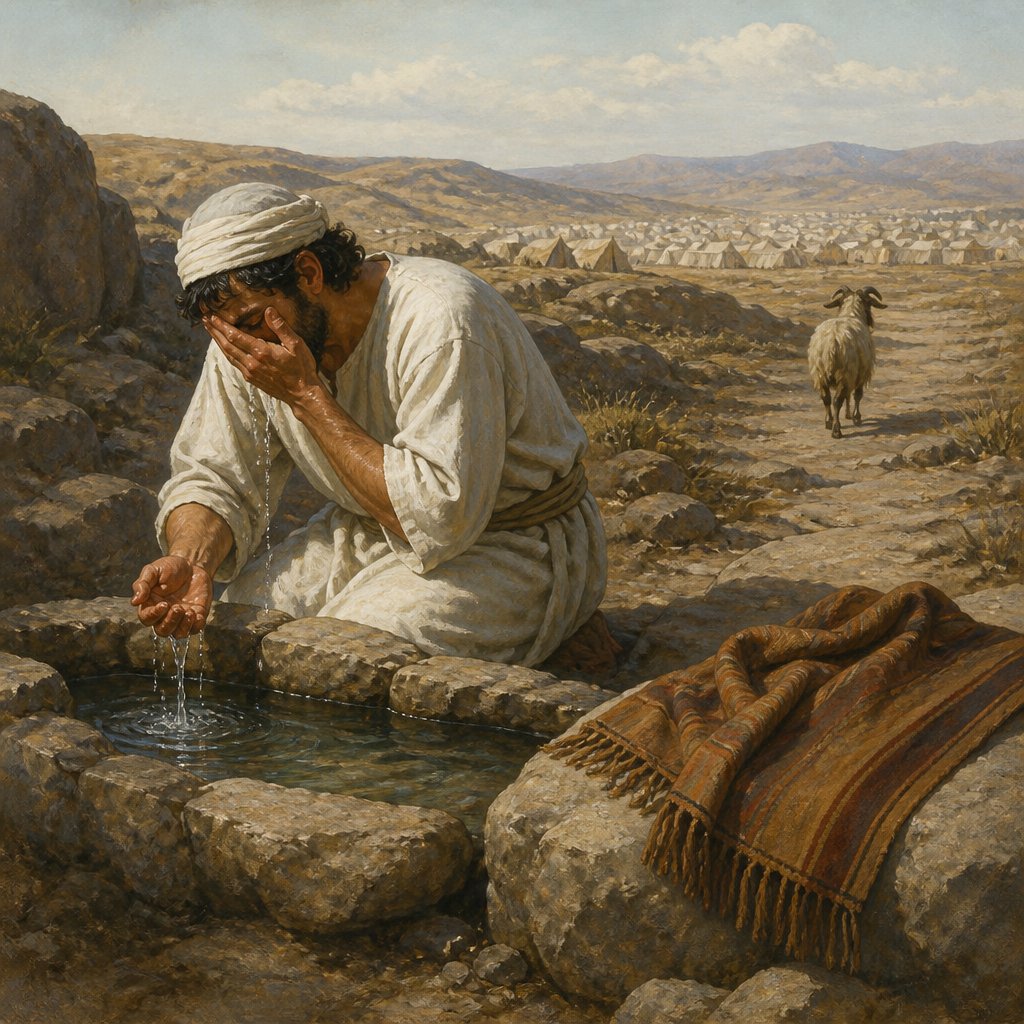
In Leviticus 16:26, we find a profound instruction concerning the Day of Atonement, a significant day in the Jewish calendar, rooted in the very heart of God’s plan for redemption and forgiveness. The verse states: "And he that let go the goat for the scapegoat shall wash his clothes, and bathe his flesh in water, and afterward come into the camp." This verse opens up a rich tapestry of understanding regarding sin, atonement, and the necessity of purification.
**Understanding the Scapegoat**
The concept of the scapegoat embodies the essence of atonement. On the Day of Atonement, two goats were selected: one was sacrificed, and the other, the scapegoat, was designated to carry the sins of the people away into the wilderness. This act symbolized the removal and bearing of sins from the community, a foreshadowing of Christ's ultimate sacrifice for humanity. But what is perhaps more critical to understand is the necessity of the priest's actions after sending away the scapegoat.
**The Importance of Cleansing**
The instruction for the individual who released the scapegoat to wash his clothes and bathe represents a fundamental principle of cleansing. The act of handling the scapegoat, which had borne the weight of sin, required physical and symbolic purification. It serves as a poignant reminder that engaging with sin, even in the act of seeking atonement, demands a response of integrity and purity. In essence, it points to the principle that those who participate in the work of God must be clean and holy.
In our lives, we also must recognize the importance of being cleansed before we can step back into the camp—our community, our relationships, our responsibilities. The washing of garments signifies a deliberate choice to rid ourselves of the stain of sin, embracing cleanliness before God and man.
**The Symbolism of Water**
Water plays a significant role in the scriptures, symbolizing purification, renewal, and life. When we bathe our flesh, we not only clean ourselves physically but we express an understanding of the profound spiritual purification that comes from repentance. Ephesians 5:26 reminds us that Christ sanctifies and cleanses the church with the washing of water by the word. Just as the priest had to be physically cleansed before re-entering the camp, we too must examine our hearts and lives, standing before God and allowing His Word to wash over us.
**Carrying Our Sins Away**
The act of sending the scapegoat into the wilderness illustrates a powerful truth: our sins are not just forgiven; they are removed. Psalm 103:12 tells us, "As far as the east is from the west, so far hath he removed our transgressions from us." The assurance of this truth can lead to immense peace for the believer. However, this peace comes with the responsibility of maintaining a life that reflects our cleansed state.
**Returning to the Camp**
Once the washing is done, the instruction concludes with the individual returning to the camp. This return is significant. It signifies restoration, a coming back to community after undergoing a necessary process of purification. In a spiritual sense, it illustrates how we, after recognizing our failings and repenting, can re-enter our communities—not as the same broken individuals but as redeemed and cleansed servants of God.
**Conclusion**
In contemplating Leviticus 16:26, we are invited to consider the seriousness of sin and the deep value God places on purity. We are reminded that cleansing is necessary before we can truly serve and commune within our communities. Let us take time today to reflect on our lives, to wash our ‘clothes,’ both inwardly and outwardly, and prepare ourselves to return to the work God has laid before us, fully engaged in His mission of reconciliation and redemption.
Get our apps


Artwork for Leviticus 16:26

Leviticus 16:26 - "And he that let go the goat for the scapegoat shall wash his clothes, and bathe his flesh in water, and afterward come into the camp."
"And he that let go the goat for the scapegoat shall wash his clothes, and bathe his flesh in water, and afterward come into the camp." - Leviticus 16:26
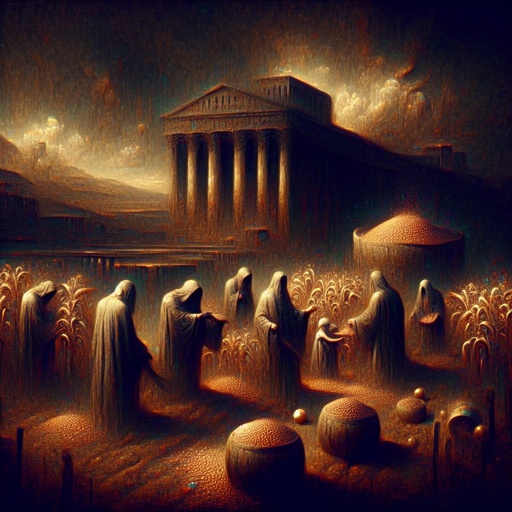
Leviticus 26:16 - "I also will do this unto you; I will even appoint over you terror, consumption, and the burning ague, that shall consume the eyes, and cause sorrow of heart: and ye shall sow your seed in vain, for your enemies shall eat it."

Leviticus 26: 4-6

Leviticus 26: 4-6
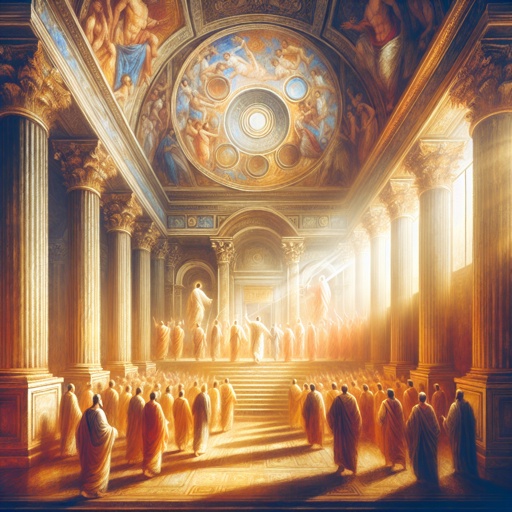
Leviticus 26: 4-6

Leviticus 23:26 - "¶ And the LORD spake unto Moses, saying,"

Leviticus 22:26 - "¶ And the LORD spake unto Moses, saying,"

Leviticus 16:8

Leviticus 26:14 - "¶ But if ye will not hearken unto me, and will not do all these commandments;"

Leviticus 25:26 - "And if the man have none to redeem it, and himself be able to redeem it;"

Leviticus 20:22-26 simple picture

Picture to summarize Leviticus 20:22-26

Leviticus 26:23 - "And if ye will not be reformed by me by these things, but will walk contrary unto me;"

Leviticus 26:3 - "¶ If ye walk in my statutes, and keep my commandments, and do them;"

Leviticus 14:26 - "And the priest shall pour of the oil into the palm of his own left hand:"

leviticus 16:7-10

Leviticus 26:27 - "And if ye will not for all this hearken unto me, but walk contrary unto me;"

Leviticus 26:7 - "And ye shall chase your enemies, and they shall fall before you by the sword."

Leviticus 26:12 - "And I will walk among you, and will be your God, and ye shall be my people."

Leviticus 26:10 - "And ye shall eat old store, and bring forth the old because of the new."

Leviticus 21:16 - "¶ And the LORD spake unto Moses, saying,"

Leviticus 26:11 - "And I will set my tabernacle among you: and my soul shall not abhor you."

Leviticus 26:2 - "¶ Ye shall keep my sabbaths, and reverence my sanctuary: I am the LORD."

Leviticus 26:32 - "And I will bring the land into desolation: and your enemies which dwell therein shall be astonished at it."

Leviticus 26:38 - "And ye shall perish among the heathen, and the land of your enemies shall eat you up."
"¶ And the LORD spake unto Moses, saying," - Leviticus 23:26
"¶ And the LORD spake unto Moses, saying," - Leviticus 22:26

Leviticus 7:26 - "Moreover ye shall eat no manner of blood, whether it be of fowl or of beast, in any of your dwellings."

Leviticus 6:26 - "The priest that offereth it for sin shall eat it: in the holy place shall it be eaten, in the court of the tabernacle of the congregation."