Atonement and Holiness: The Heart of Leviticus 16:33
“And he shall make an atonement for the holy sanctuary, and he shall make an atonement for the tabernacle of the congregation, and for the altar, and he shall make an atonement for the priests, and for all the people of the congregation.” — Leviticus 16:33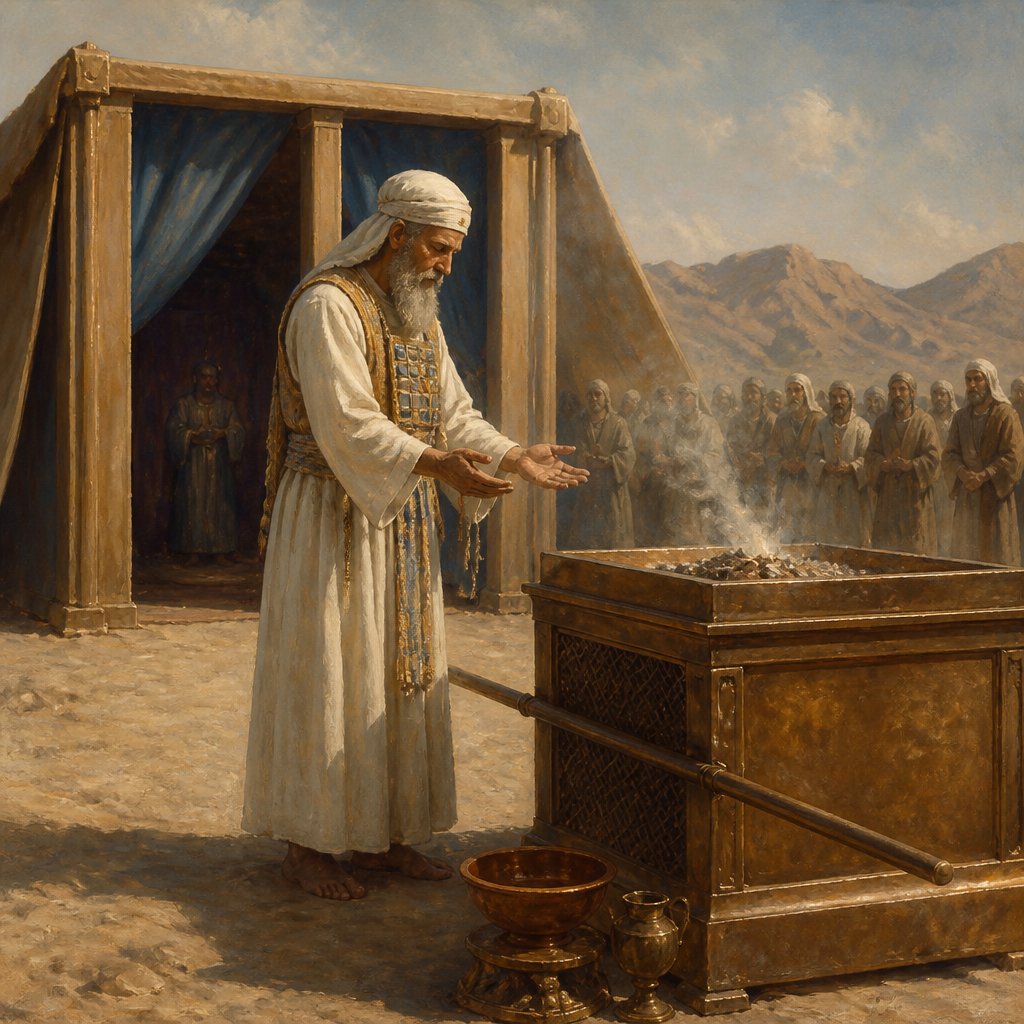
Leviticus 16:33 states, "And he shall make an atonement for the holy sanctuary, and he shall make an atonement for the tabernacle of the congregation, and for the altar, and he shall make an atonement for the priests, and for all the people of the congregation." In this verse, we are confronted with pivotal truths concerning atonement, the sanctity of worship, and the need for divine restoration.
In the context of Leviticus, this chapter describes the Day of Atonement (Yom Kippur), a solemn observance where the high priest would make sacrifices for the sins of the people and the holy place where they worshipped. This yearly event underscored a foundational truth: sin separates us from God, and without atonement, reconciliation is impossible.
Atonement is not merely a religious ritual; it is an expression of God’s deep desire to dwell among His people. The term ‘atonement’ in Hebrew (Kippur) signifies covering, and through this act, God provides a means for dealing with sin so that His presence may remain in the midst of His covenant people. This creates a profound tension in the holiness of God versus the sinfulness of humanity. In the intricate processes laid out in Leviticus, we see the seriousness with which God addresses sin and the lengths to which He goes to restore fellowship with His creation.
The verse highlights that atonement is made for the holy sanctuary, the tabernacle, the altar, the priests, and all the people. Each element represents a different aspect of worship and community life, showing that atonement is all-encompassing. The sanctuary’s holiness is essential; it must be ritually cleansed because it is the dwelling of God amongst His people. The tabernacle, as a whole, represents God’s presence and guidance. The altar signifies sacrifice and worship, where the people would come before God bringing their offerings and seeking forgiveness.
The priests, as mediators, stood in unique positions of responsibility. Their purity and righteousness were paramount; they were to serve as living examples of holiness and devotion to God. The atonement of the people signifies that God cares not just for the rituals but also for the hearts of those who offer them. It emphasizes that everyone, irrespective of their status in society, is in need of reconciliation with God.
As we meditate on this verse, it calls us to a place of humility. We, too, require atonement for our sins. The New Testament fulfills this foreshadowing found in Leviticus by presenting Jesus Christ as the ultimate High Priest and the perfect sacrifice. His atonement on the cross does what the sacrifices of Leviticus could never do; it provides complete and final cleansing. Hebrews 10:14 tells us, "For by one offering he hath perfected for ever them that are sanctified."
Moreover, the verse invokes a communal responsibility towards holiness. Just as atonement was required for the entire community, so too must we recognize our role within the body of Christ. Each member contributes to the holiness and worship of the congregation. Our individual actions and integrity affect those around us. Paul encourages this community aspect in 1 Corinthians 12, where he likens the church to a body, emphasizing unity and interdependence.
In practical terms, this verse challenges us to examine our own lives. Are there areas where we need to seek God’s cleansing? Are there grudges, sins, or unhealthy practices that hinder our relationship with Him? Just as the Israelites regularly approached the altar for atonement, we, too, are invited to come to Jesus, our altar, and confess our sins, trusting in His promise that He is faithful and just to forgive us.
In conclusion, Leviticus 16:33 is a reminder of the importance of atonement, the holiness of God, and the community of faith. Let us approach God with reverence, seeking His cleansing fire to ignite our hearts so that we might be vessels for His glory.
Get our apps


Artwork for Leviticus 16:33

Leviticus 16:33 - "And he shall make an atonement for the holy sanctuary, and he shall make an atonement for the tabernacle of the congregation, and for the altar, and he shall make an atonement for the priests, and for all the people of the congregation."
"And he shall make an atonement for the holy sanctuary, and he shall make an atonement for the tabernacle of the congregation, and for the altar, and he shall make an atonement for the priests, and for all the people of the congregation." - Leviticus 16:33

Leviticus 23:33 - "¶ And the LORD spake unto Moses, saying,"

Leviticus 14:33 - "¶ And the LORD spake unto Moses and unto Aaron, saying,"

John 16:33

John 16:33
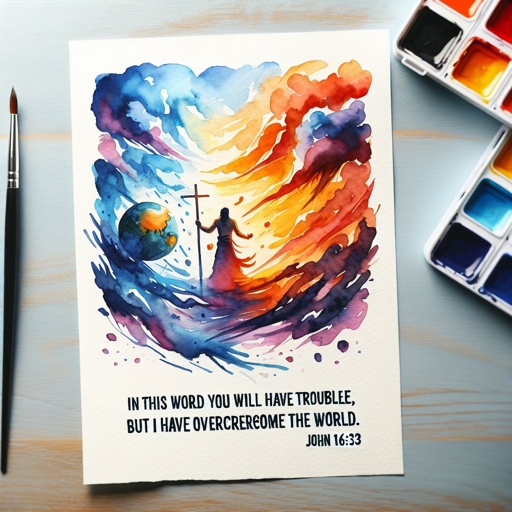
John 16:33

John 16:33
John 16:33

John 16:33

John 16 : 33

Leviticus 19:33 - "¶ And if a stranger sojourn with thee in your land, ye shall not vex him."

Leviticus 22:33 - "That brought you out of the land of Egypt, to be your God: I am the LORD."

"¶ And the LORD spake unto Moses, saying," - Leviticus 23:33

Leviticus 11:33 - "And every earthen vessel, whereinto any of them falleth, whatsoever is in it shall be unclean; and ye shall break it."

Leviticus 16:8

Leviticus 15:33 - "And of her that is sick of her flowers, and of him that hath an issue, of the man, and of the woman, and of him that lieth with her that is unclean."

Job 33:16 - "Then he openeth the ears of men, and sealeth their instruction,"

leviticus 16:7-10

Leviticus 7:33 - "He among the sons of Aaron, that offereth the blood of the peace offerings, and the fat, shall have the right shoulder for his part."

Proverbs 16:33 - "The lot is cast into the lap; but the whole disposing thereof is of the LORD."

Numbers 33:16 - "And they removed from the desert of Sinai, and pitched at Kibroth-hattaavah."

Leviticus 26:33 - "And I will scatter you among the heathen, and will draw out a sword after you: and your land shall be desolate, and your cities waste."

"¶ And the LORD spake unto Moses and unto Aaron, saying," - Leviticus 14:33

Leviticus 21:16 - "¶ And the LORD spake unto Moses, saying,"

Genesis 33:16 - "¶ So Esau returned that day on his way unto Seir."

Leviticus 4:33 - "And he shall lay his hand upon the head of the sin offering, and slay it for a sin offering in the place where they kill the burnt offering."

Leviticus 13:33 - "He shall be shaven, but the scall shall he not shave; and the priest shall shut up him that hath the scall seven days more:"

Psalms 33:16 - "There is no king saved by the multitude of an host: a mighty man is not delivered by much strength."

Leviticus 9:16 - "And he brought the burnt offering, and offered it according to the manner."