Draped in Holiness: Understanding Our Robes of Righteousness
“He shall put on the holy linen coat, and he shall have the linen breeches upon his flesh, and shall be girded with a linen girdle, and with the linen mitre shall he be attired: these are holy garments; therefore shall he wash his flesh in water, and so put them on.” — Leviticus 16:4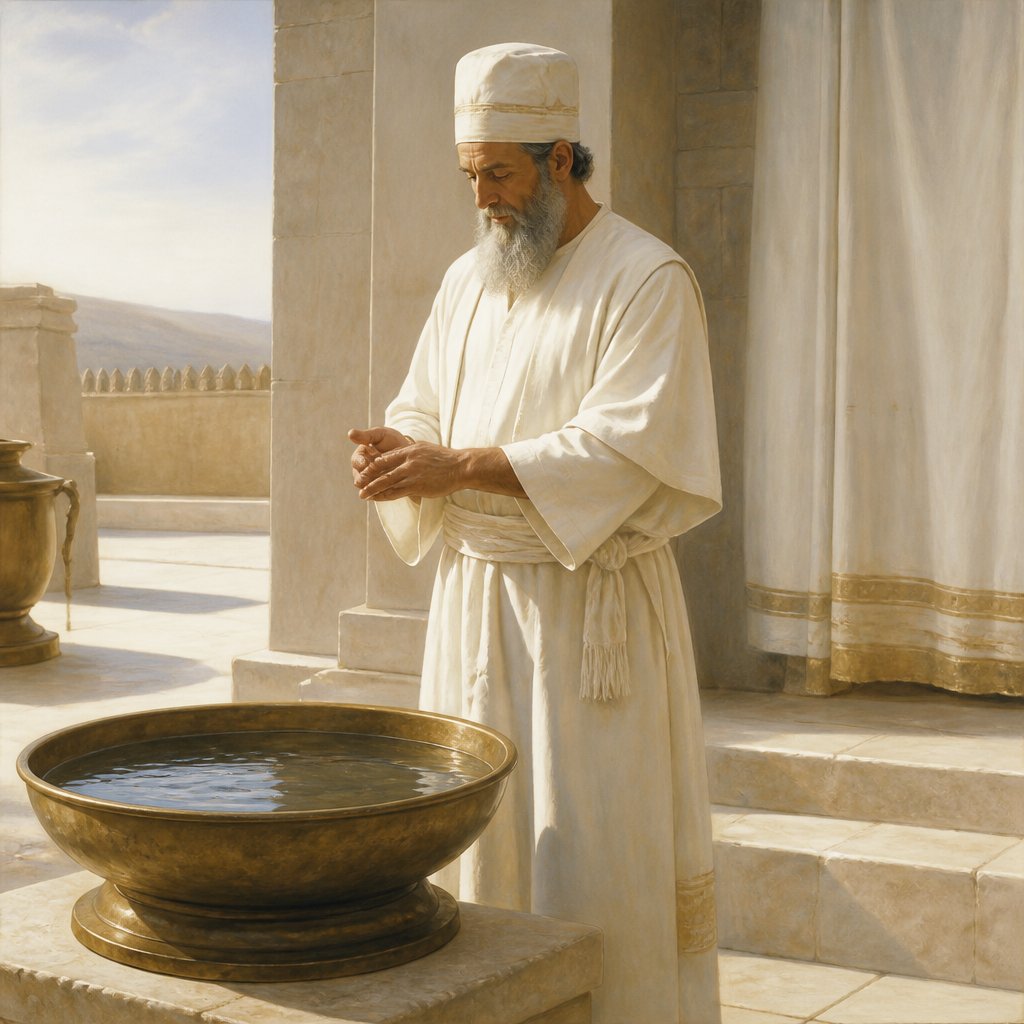
Leviticus 16:4 says, "He shall put on the holy linen coat, and he shall have the linen breeches upon his flesh, and shall be girded with a linen girdle, and with the linen mitre shall he be attired: these are holy garments; therefore shall he wash his flesh in water, and so put them on." At first glance, this verse might seem to be merely a directive for Aaron, the high priest, on how to conduct himself during the sacred Day of Atonement. However, embedded within these instructions is a profound lesson on holiness, preparation, and identity that speaks to us today.
The context of this passage is crucial; the Day of Atonement (Yom Kippur) was the most important day in the Hebrew calendar, a day set aside for the confession of sins and the atonement of the people of Israel. Aaron’s meticulous preparation, as dictated in Leviticus 16:4, is a foreshadowing of the ultimate mediatorial work of Christ, who would later become the perfect High Priest. The way Aaron adorned himself with holy garments serves as a vivid picture for us about the significance of being clothed in righteousness as we approach the Lord.
**Holy Garments and Our Identity**
The linen garments Aaron wore were not merely attire; they were "holy garments." The word "holy" signifies something that is set apart, dedicated to God’s service. As Christians, we are called to take on holiness not only as a attribute but as our very identity. In Galatians 3:27, we read, "For as many of you as have been baptized into Christ have put on Christ." Just as Aaron had to wear specific garments to represent the people before God, we, too, must wear the righteousness of Christ. Our identity as believers is rooted in this divine clothing—His righteousness covers us, making us acceptable before the Father.
**Preparation Through Cleansing**
It's significant to note that before donning these garments, there was an intimate act of preparation: "therefore shall he wash his flesh in water." This purification ritual symbolizes the necessity of cleansing as we desire to come before God. Under the New Covenant, this process of washing parallels the confession of our sins and the cleansing of our hearts through repentance. In 1 John 1:9, it emphasizes, "If we confess our sins, he is faithful and just to forgive us our sins, and to cleanse us from all unrighteousness." This underscores the importance of coming to God with a heart prepared and clean, embracing the forgiveness that makes us worthy to wear His name and identity.
**The Significance of Each Garment**
Each component of Aaron’s attire—the linen coat, breeches, girdle, and mitre—was chosen with divine intention, illustrating various aspects of God’s call on our lives. The linen represents purity and the righteousness that God desires in us. The girdle symbolizes strength and restraint, indicating that we should be clothed with God’s power and self-control. The linen mitre (turban) indicates our commitment to God’s holiness, proclaiming our allegiance to God’s ways. Similarly, we, too are called to put on the armor of God (Ephesians 6:10-18) that will protect and empower us for our daily spiritual struggles.
**Living in Holy Garments**
As we reflect on Leviticus 16:4, let us ponder what it means to wear our holy garments daily. Are we embodying the character of Christ as we go about our lives? Do we embrace the identity of being clothed in righteousness, temperance, and holiness?
Ultimately, the call to be clothed in holiness directs us toward a deeper understanding of our relationship with God—it beckons us to approach Him not just casually, but reverently, recognizing the privilege and responsibility that comes with our identity in Christ. So, let us daily cleanse ourselves, put on our holy garments, and live in a manner worthy of the calling we have received. May our lives reflect the beauty of holiness that draws others to the Savior and illuminates His grace.
Get our apps


Artwork for Leviticus 16:4

Leviticus 16:4 - "He shall put on the holy linen coat, and he shall have the linen breeches upon his flesh, and shall be girded with a linen girdle, and with the linen mitre shall he be attired: these are holy garments; therefore shall he wash his flesh in water, and so put them on."
"He shall put on the holy linen coat, and he shall have the linen breeches upon his flesh, and shall be girded with a linen girdle, and with the linen mitre shall he be attired: these are holy garments; therefore shall he wash his flesh in water, and so put them on." - Leviticus 16:4

Leviticus 4:16 - "And the priest that is anointed shall bring of the bullock's blood to the tabernacle of the congregation:"

"And the priest that is anointed shall bring of the bullock's blood to the tabernacle of the congregation:" - Leviticus 4:16

Leviticus 16:8

leviticus 16:7-10

Leviticus 21:16 - "¶ And the LORD spake unto Moses, saying,"

Leviticus 9:16 - "And he brought the burnt offering, and offered it according to the manner."

Leviticus 11:16 - "And the owl, and the night hawk, and the cuckow, and the hawk after his kind,"

Leviticus 16:25 - "And the fat of the sin offering shall he burn upon the altar."

Leviticus 26: 4-6
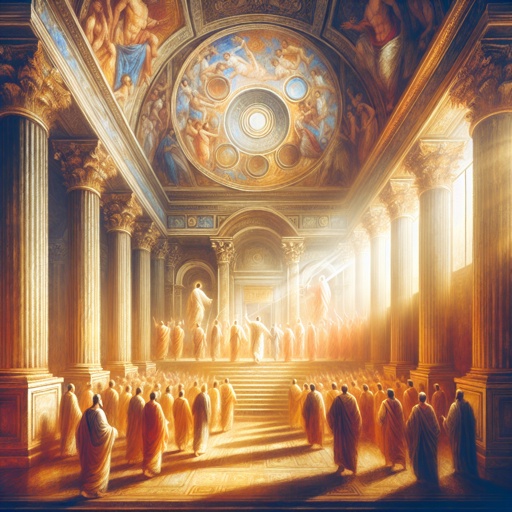
Leviticus 26: 4-6

Leviticus 26: 4-6

Leviticus 18:16 - "Thou shalt not uncover the nakedness of thy brother's wife: it is thy brother's nakedness."

Leviticus 4:1 - "And the LORD spake unto Moses, saying,"

Leviticus 27:4 - "And if it be a female, then thy estimation shall be thirty shekels."

Leviticus 16:31 - "It shall be a sabbath of rest unto you, and ye shall afflict your souls, by a statute for ever."

Leviticus 13:16 - "Or if the raw flesh turn again, and be changed unto white, he shall come unto the priest;"

Leviticus 17:16 - "But if he wash them not, nor bathe his flesh; then he shall bear his iniquity."

Leviticus 16:7 - "And he shall take the two goats, and present them before the LORD at the door of the tabernacle of the congregation."
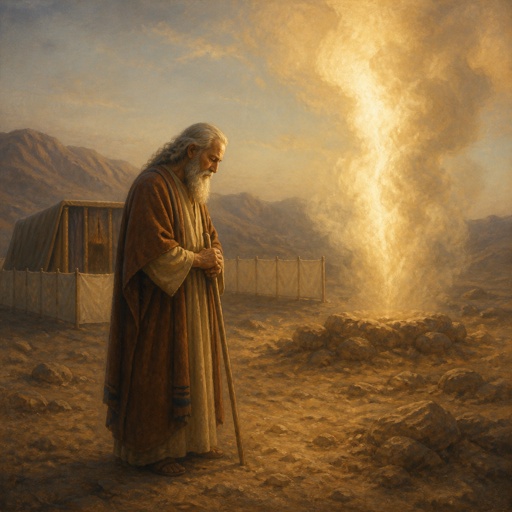
"¶ And the LORD spake unto Moses, saying," - Leviticus 21:16

Leviticus 16:9 - "And Aaron shall bring the goat upon which the LORD'S lot fell, and offer him for a sin offering."

Leviticus 16:3 - "Thus shall Aaron come into the holy place: with a young bullock for a sin offering, and a ram for a burnt offering."

Leviticus 16:8 - "And Aaron shall cast lots upon the two goats; one lot for the LORD, and the other lot for the scapegoat."

Leviticus 16:16 - "And he shall make an atonement for the holy place, because of the uncleanness of the children of Israel, and because of their transgressions in all their sins: and so shall he do for the tabernacle of the congregation, that remaineth among them in the midst of their uncleanness."

Leviticus 22:16 - "Or suffer them to bear the iniquity of trespass, when they eat their holy things: for I the LORD do sanctify them."

Leviticus 16:6 - "And Aaron shall offer his bullock of the sin offering, which is for himself, and make an atonement for himself, and for his house."

Leviticus 16:1 - "And the LORD spake unto Moses after the death of the two sons of Aaron, when they offered before the LORD, and died;"
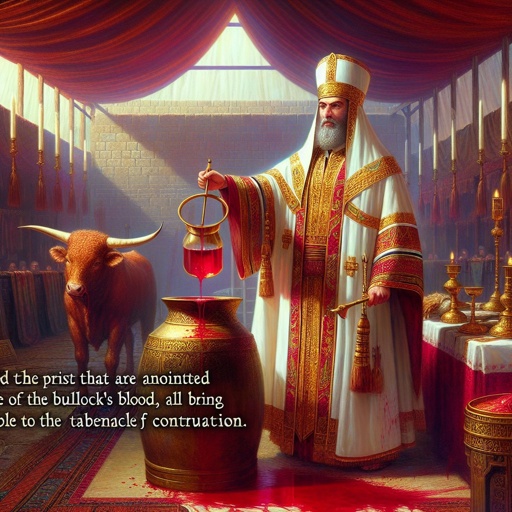
Leviticus 4:5 - "And the priest that is anointed shall take of the bullock's blood, and bring it to the tabernacle of the congregation:"

Leviticus 16:5 - "And he shall take of the congregation of the children of Israel two kids of the goats for a sin offering, and one ram for a burnt offering."